

AC5
DANCE OF SEVEN VEILS
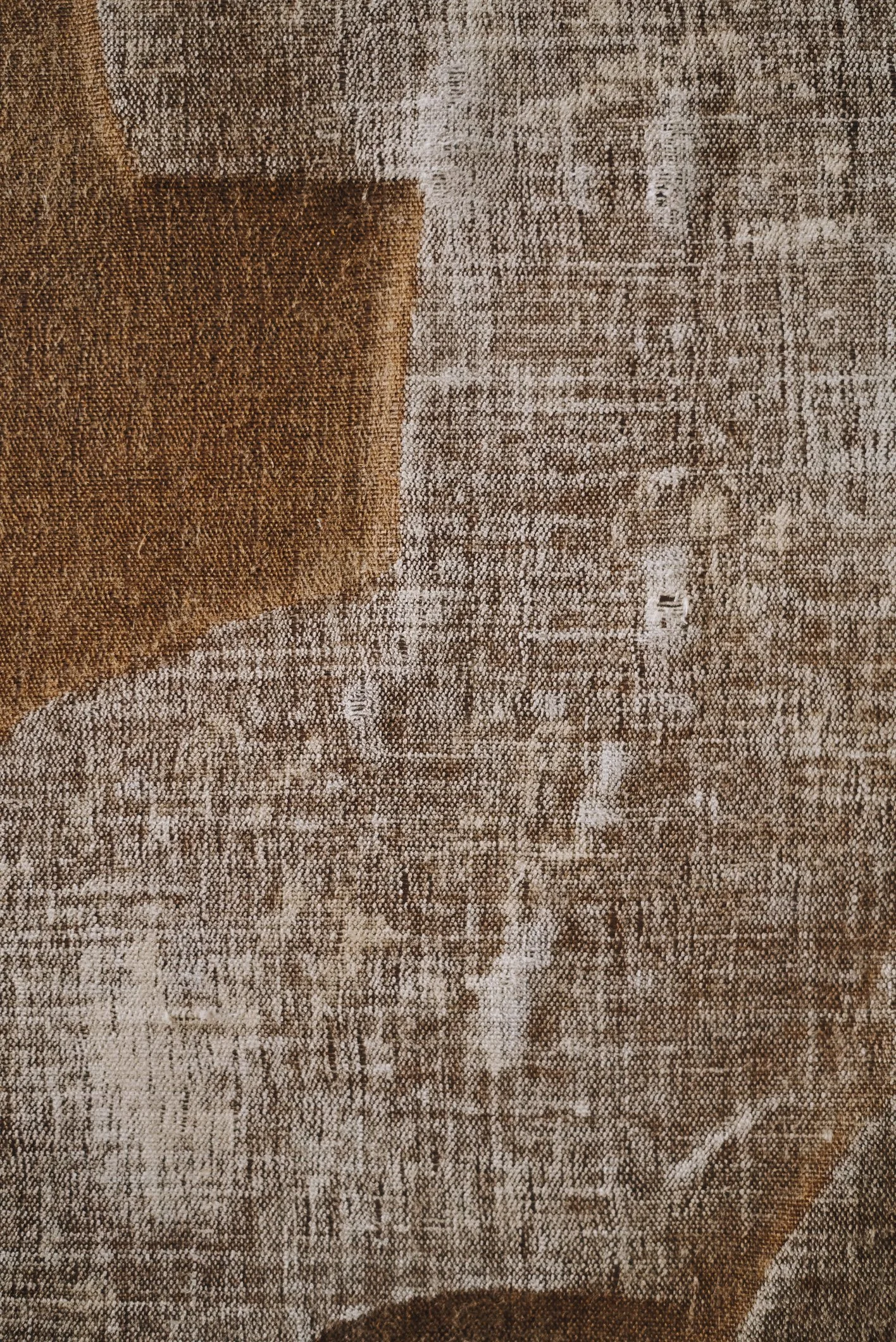
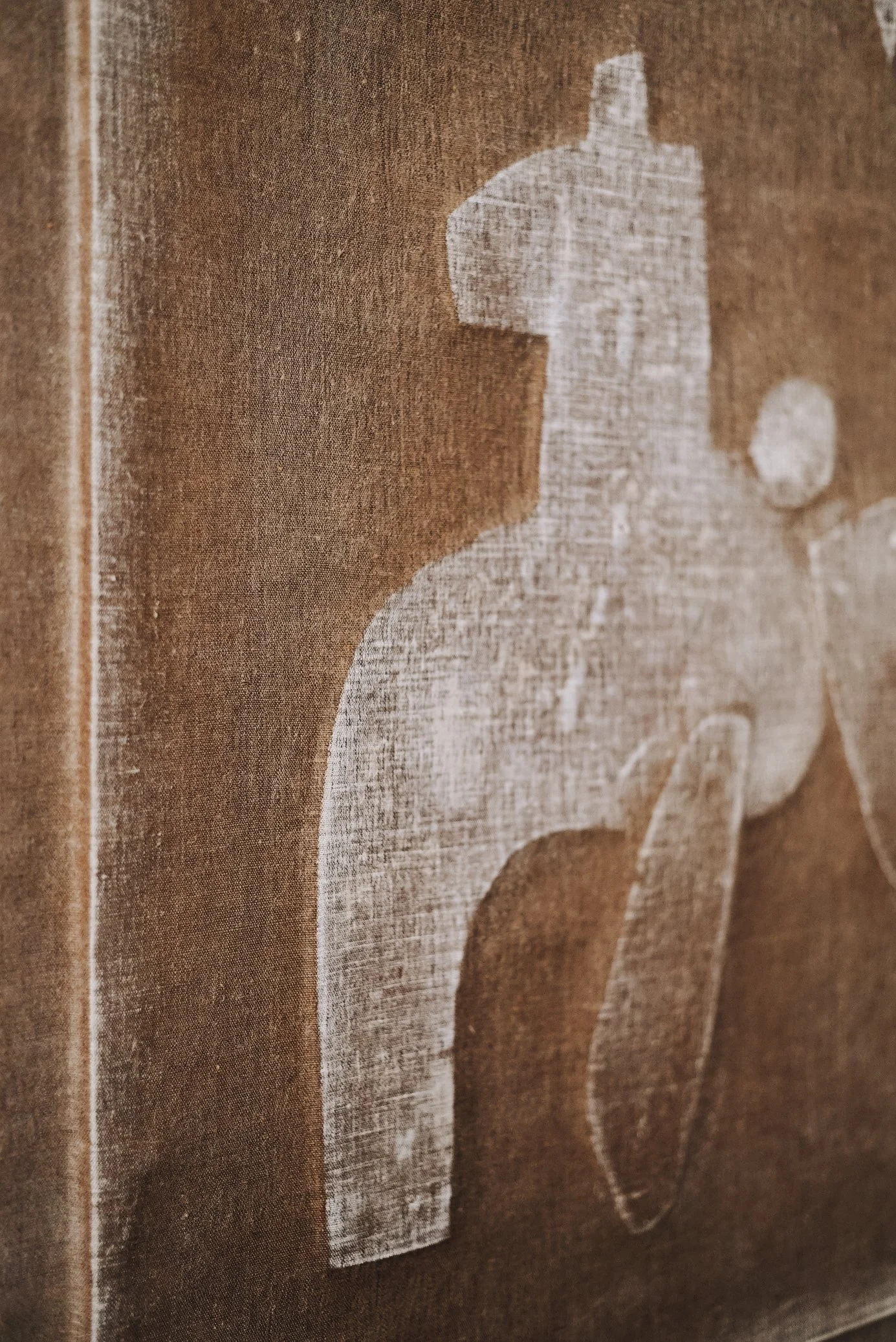
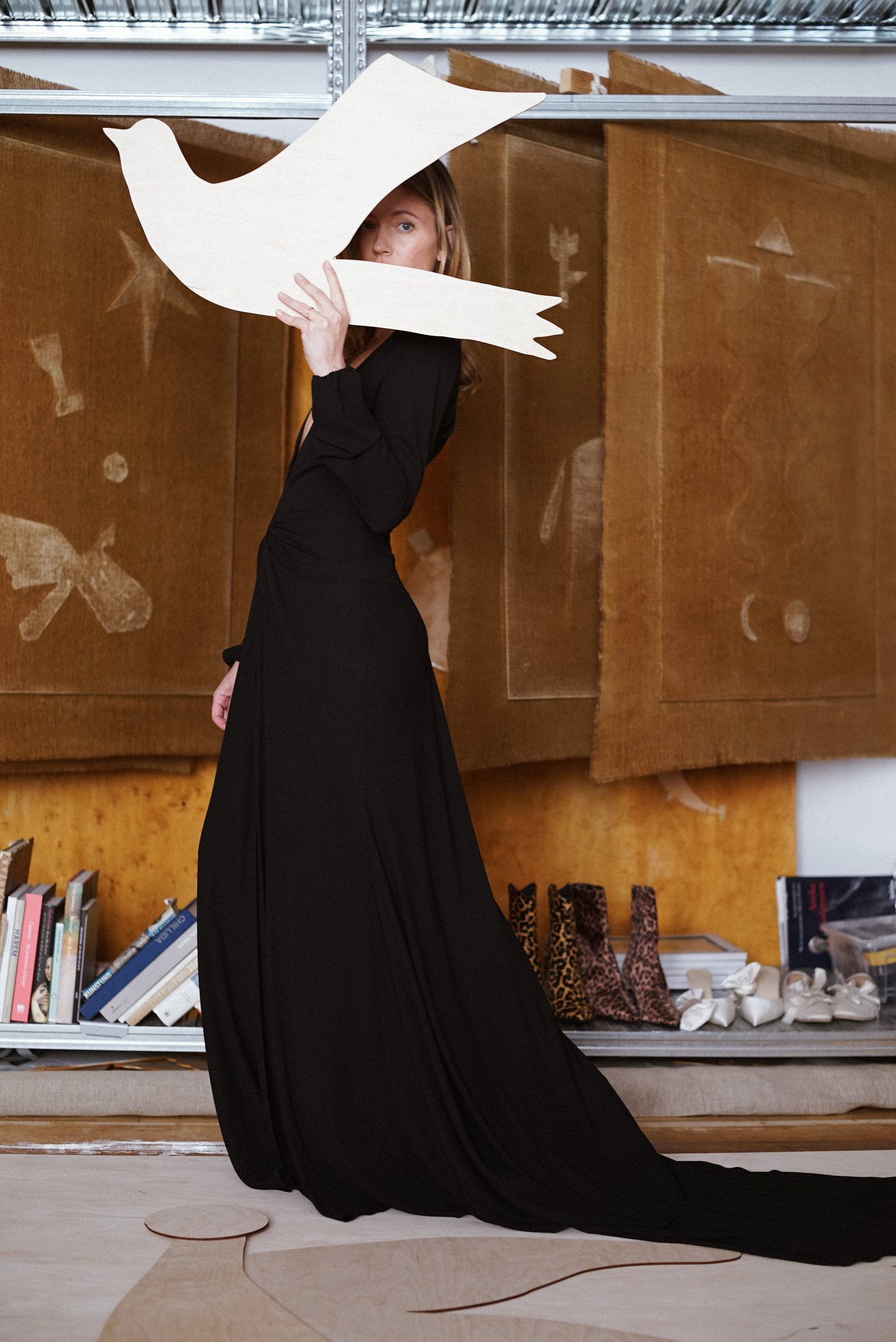
CATALOGUE‘‘Dance of Seven Veils’’ is a cycle of textile works exploring concealment, revelation, and the transformation of perception. Drawing on the myths of Inanna and Salome, as well as Oscar Wilde’s interpretation of the tale, Santa GAÏA reimagines the veil as both barrier and threshold. Human and animal forms merge, hands unfold into wings, and the dove evokes the tension between purity, desire, and awakening. Using raw linen and shellac the artist creates layered surfaces where matter, memory, and spirit converge.
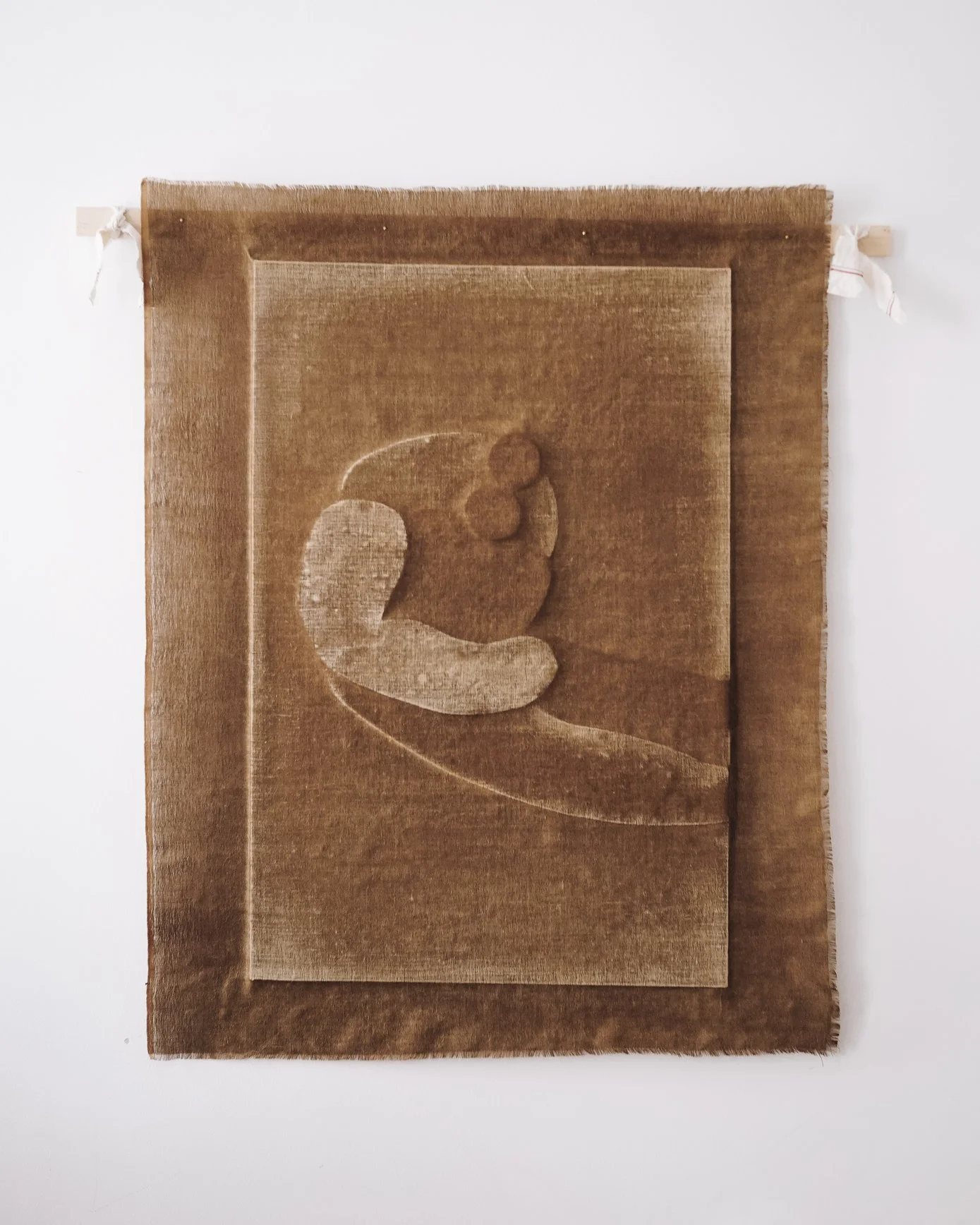
TRUE SELF, LINEN AND SHELLAC, 142x111 CM, 2025
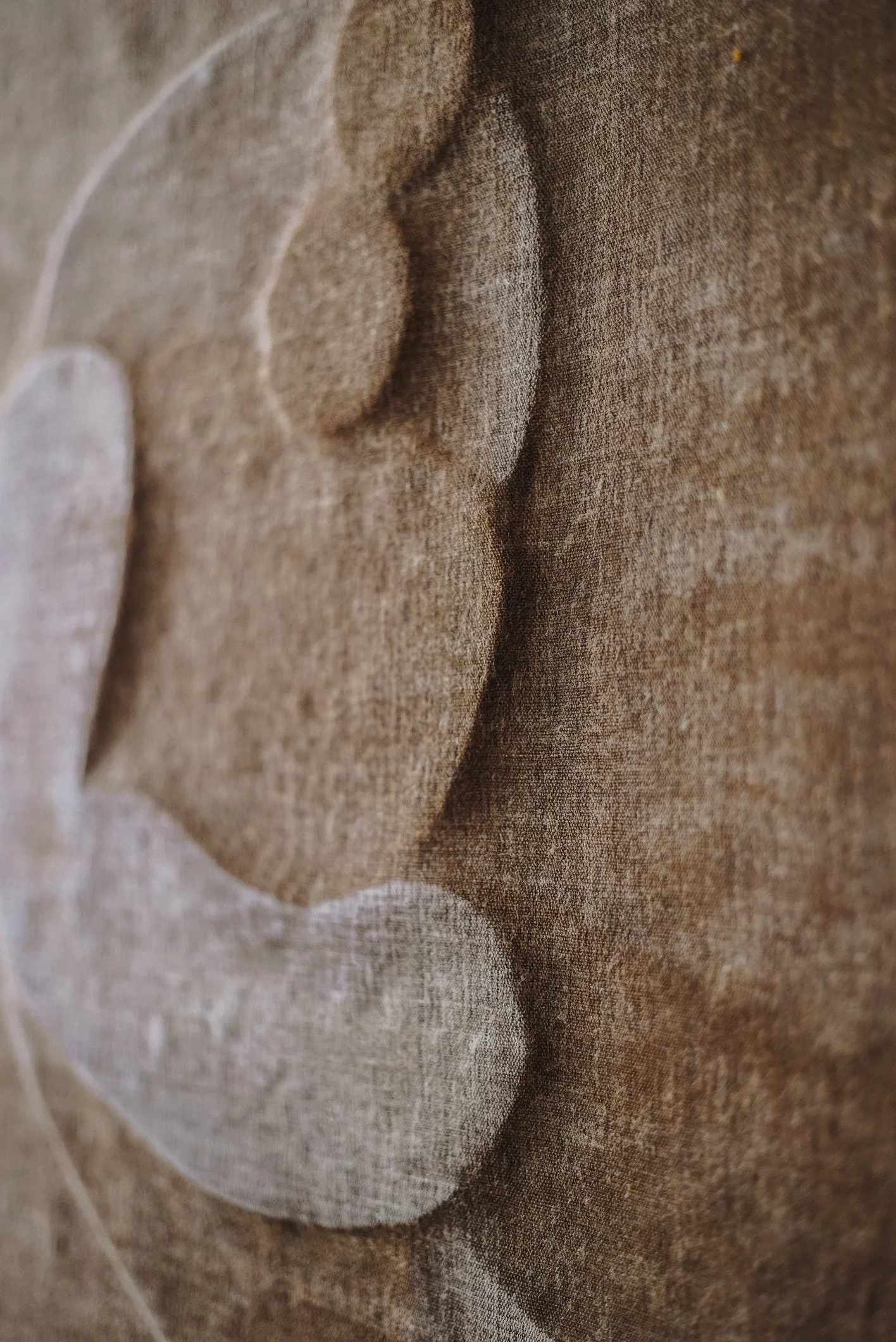
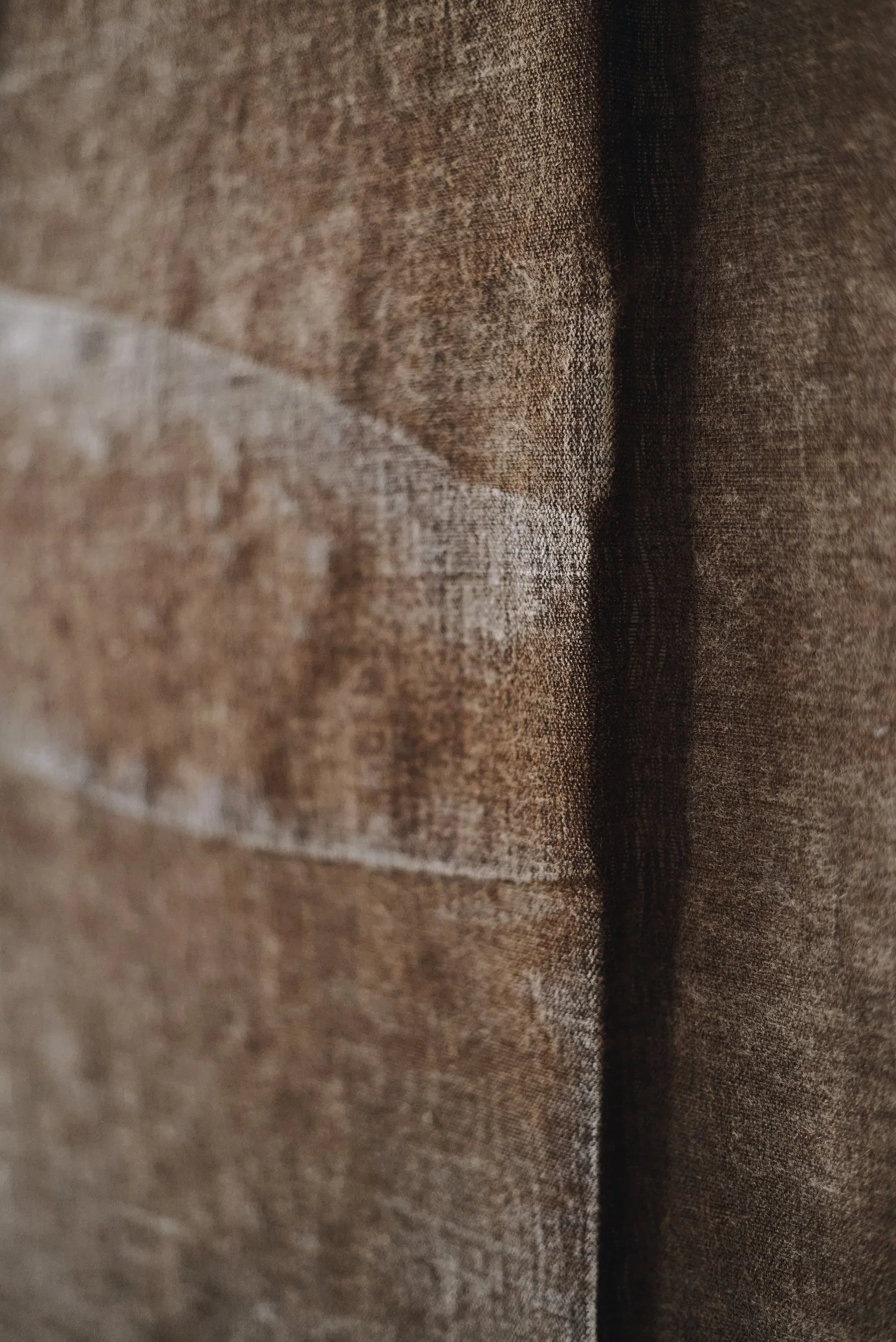
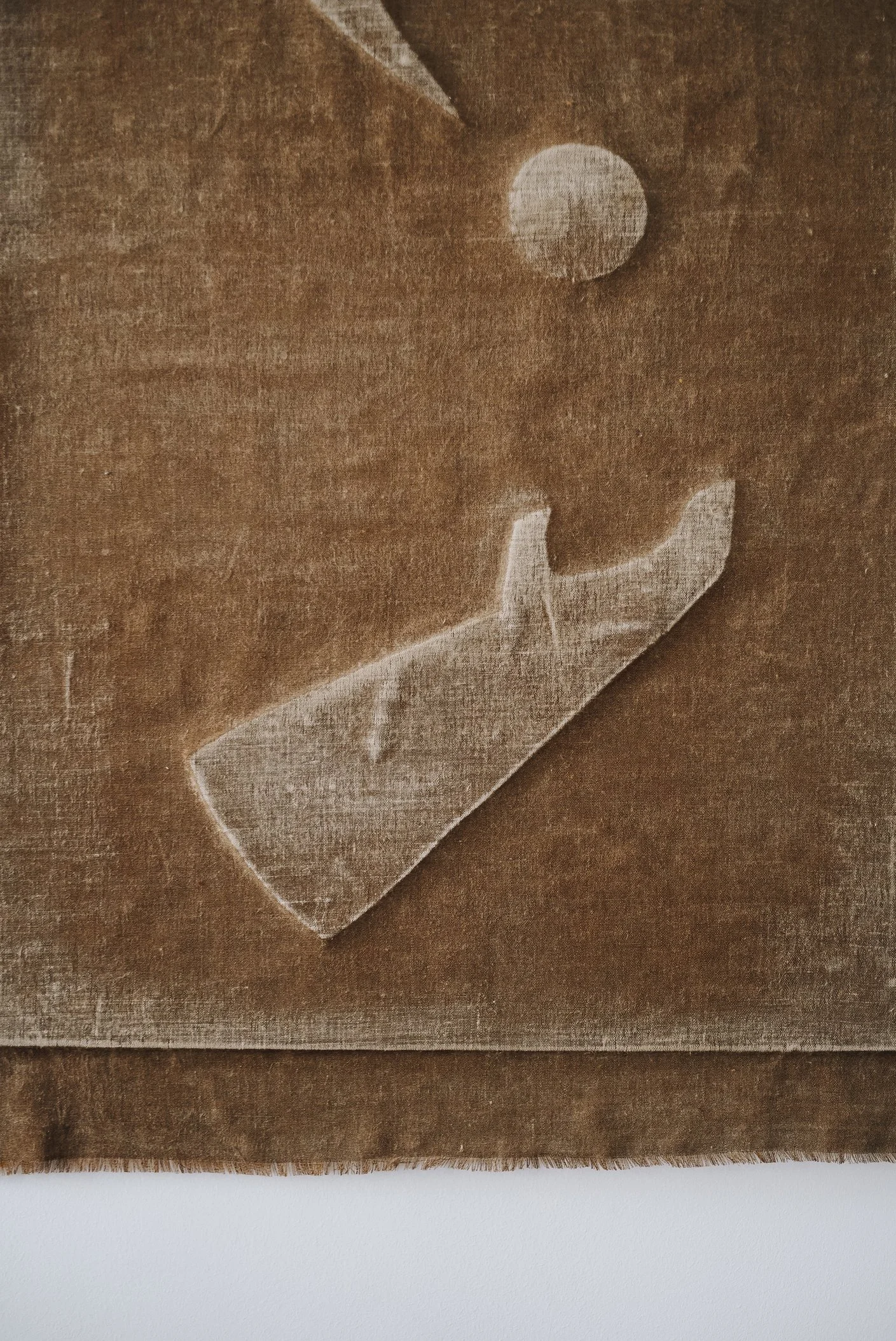
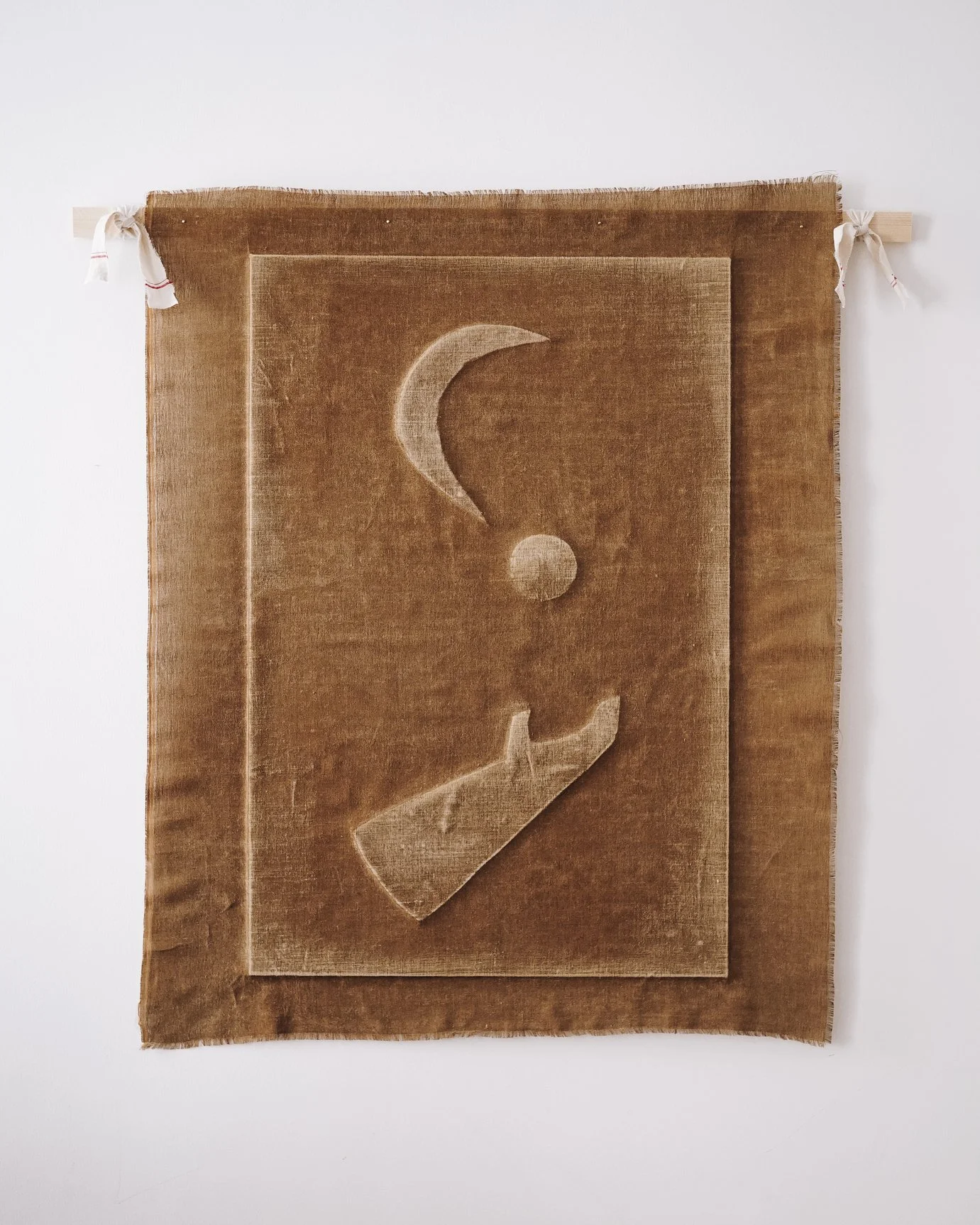
FORGIVENESS, LINEN AND SHELLAC, 140x111 CM, 2025
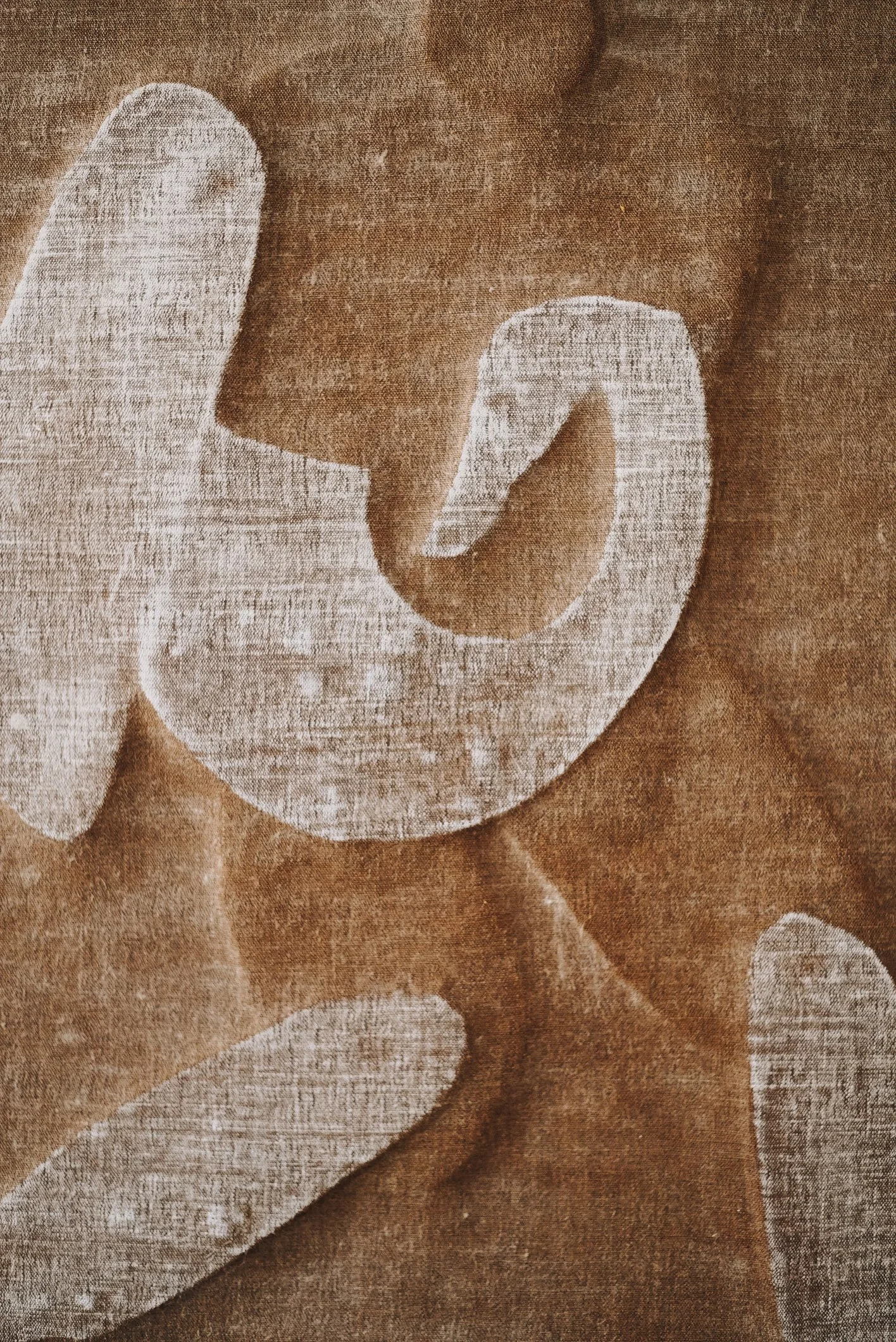
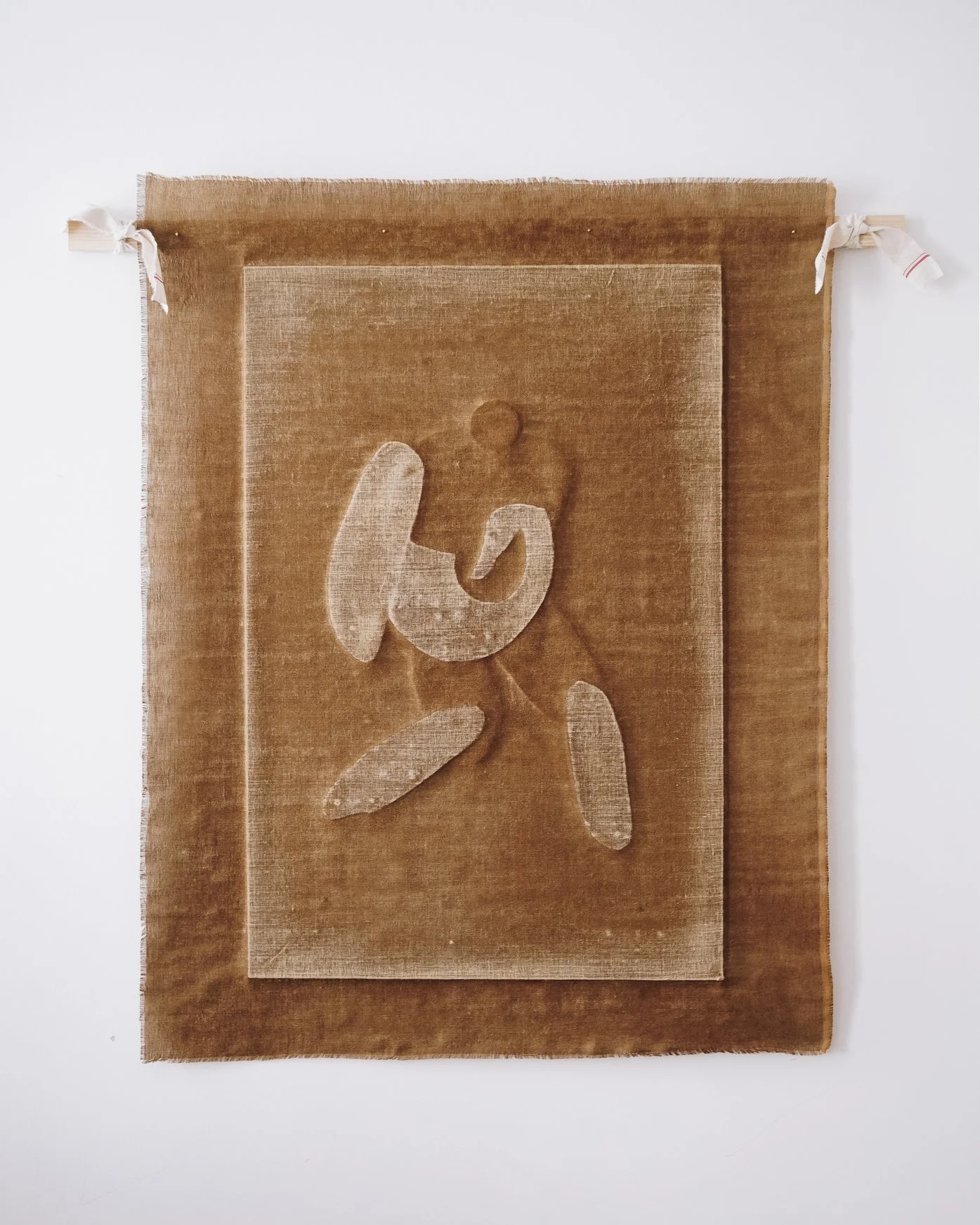
ONENESS, LINEN AND SHELLAC, 142x113 CM, 2025
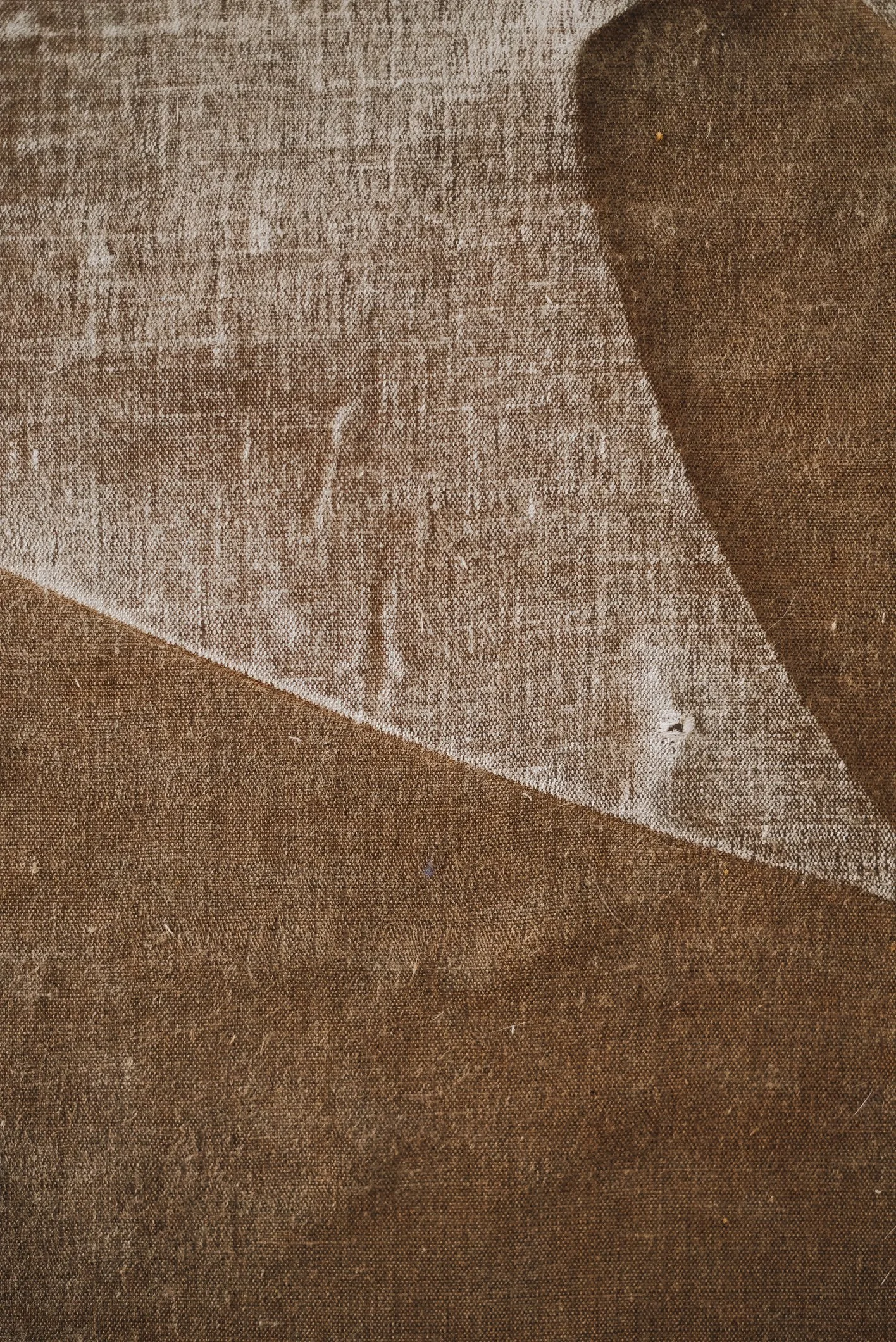
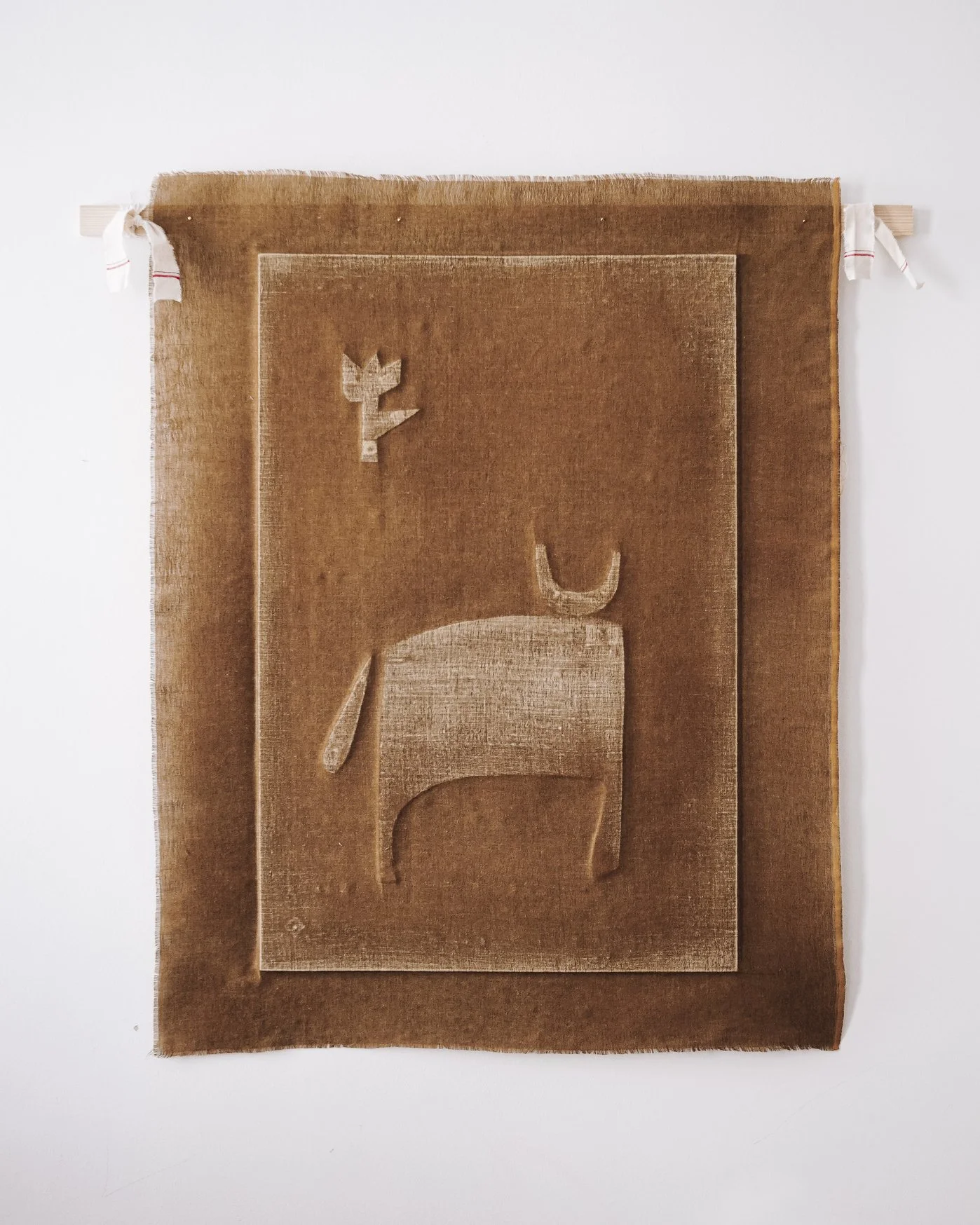
TRUST, LINEN AND SHELLAC, 143x111 CM, 2025
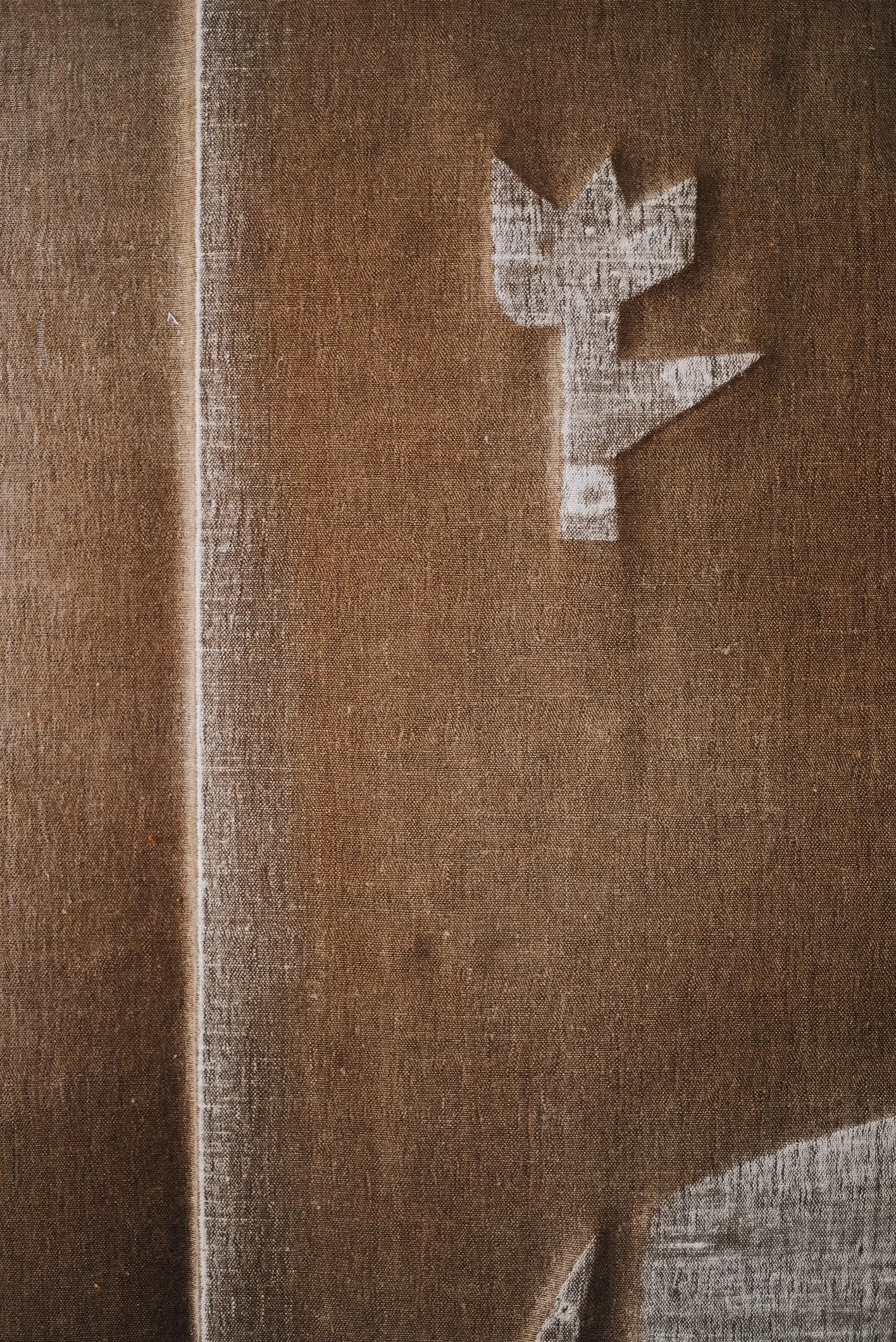
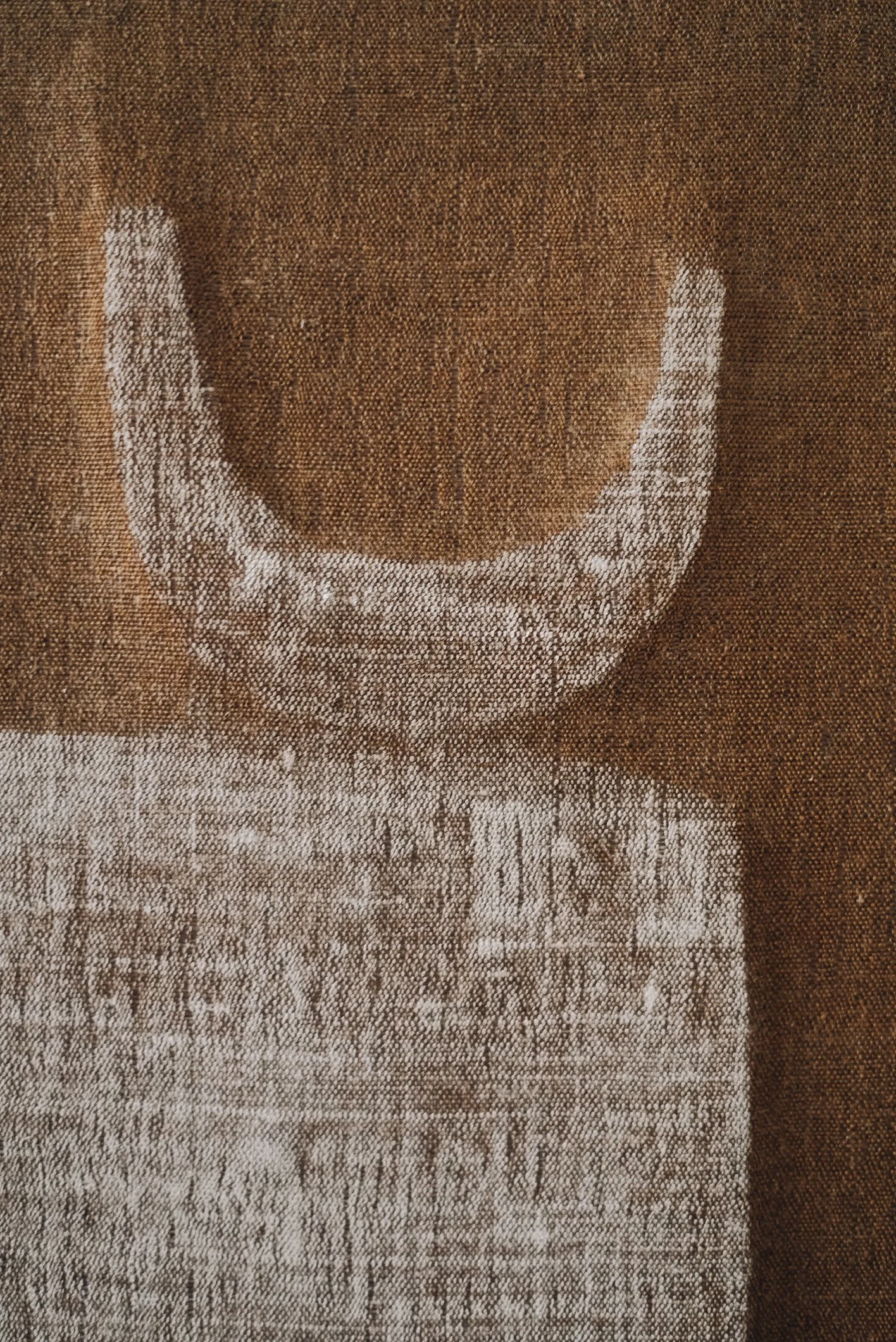
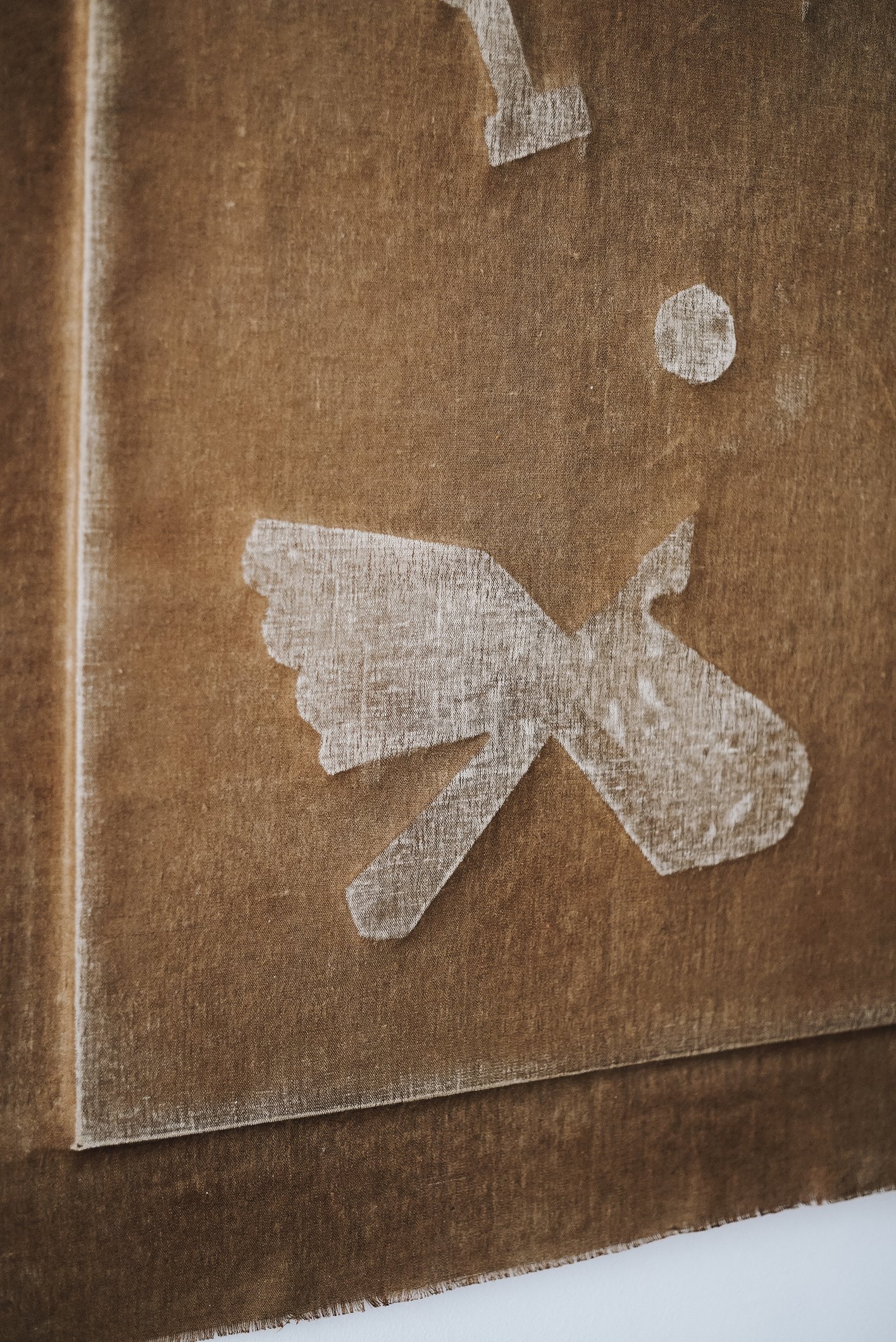
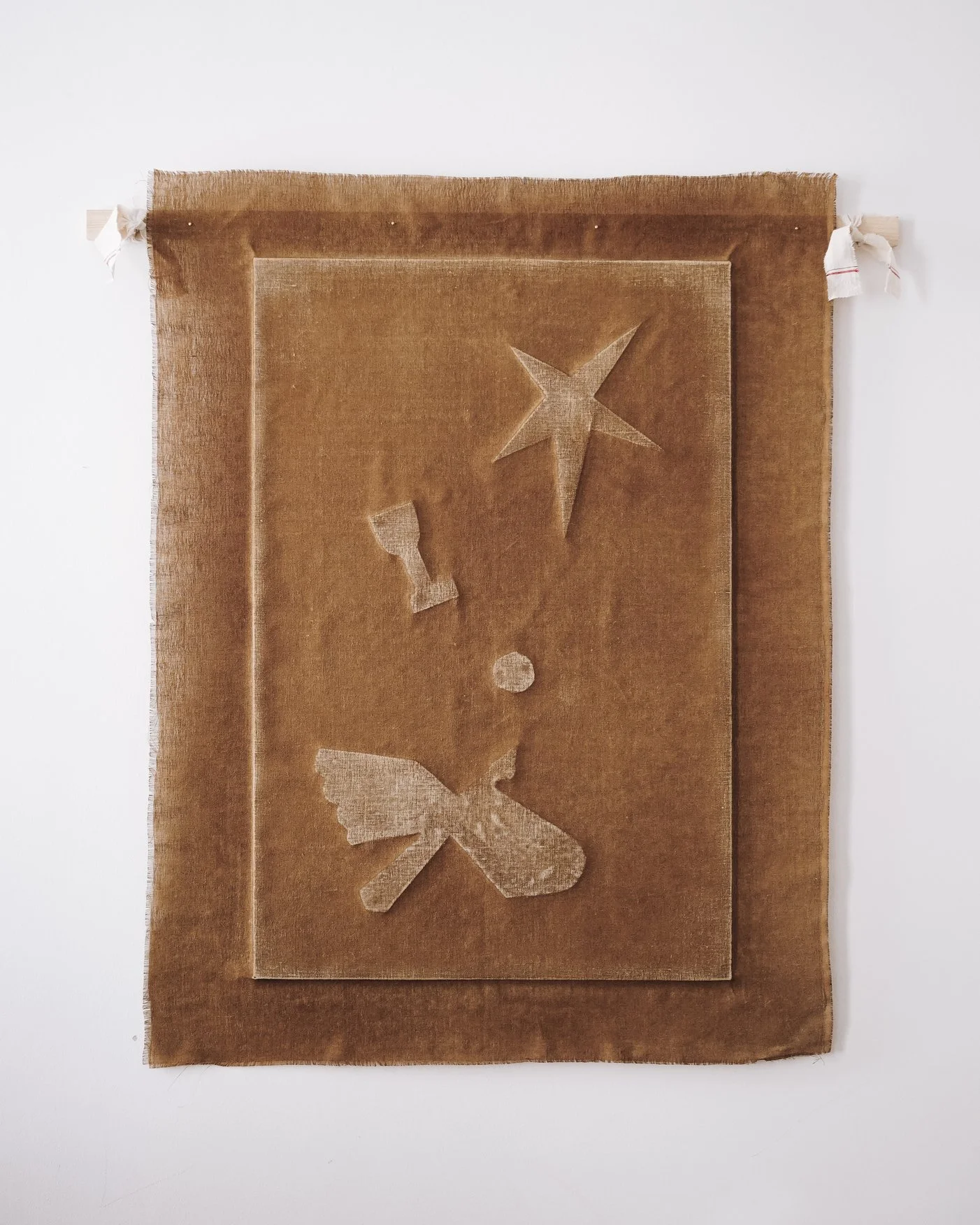
EQUALITY, LINEN AND SHELLAC, 144x111 CM, 2025
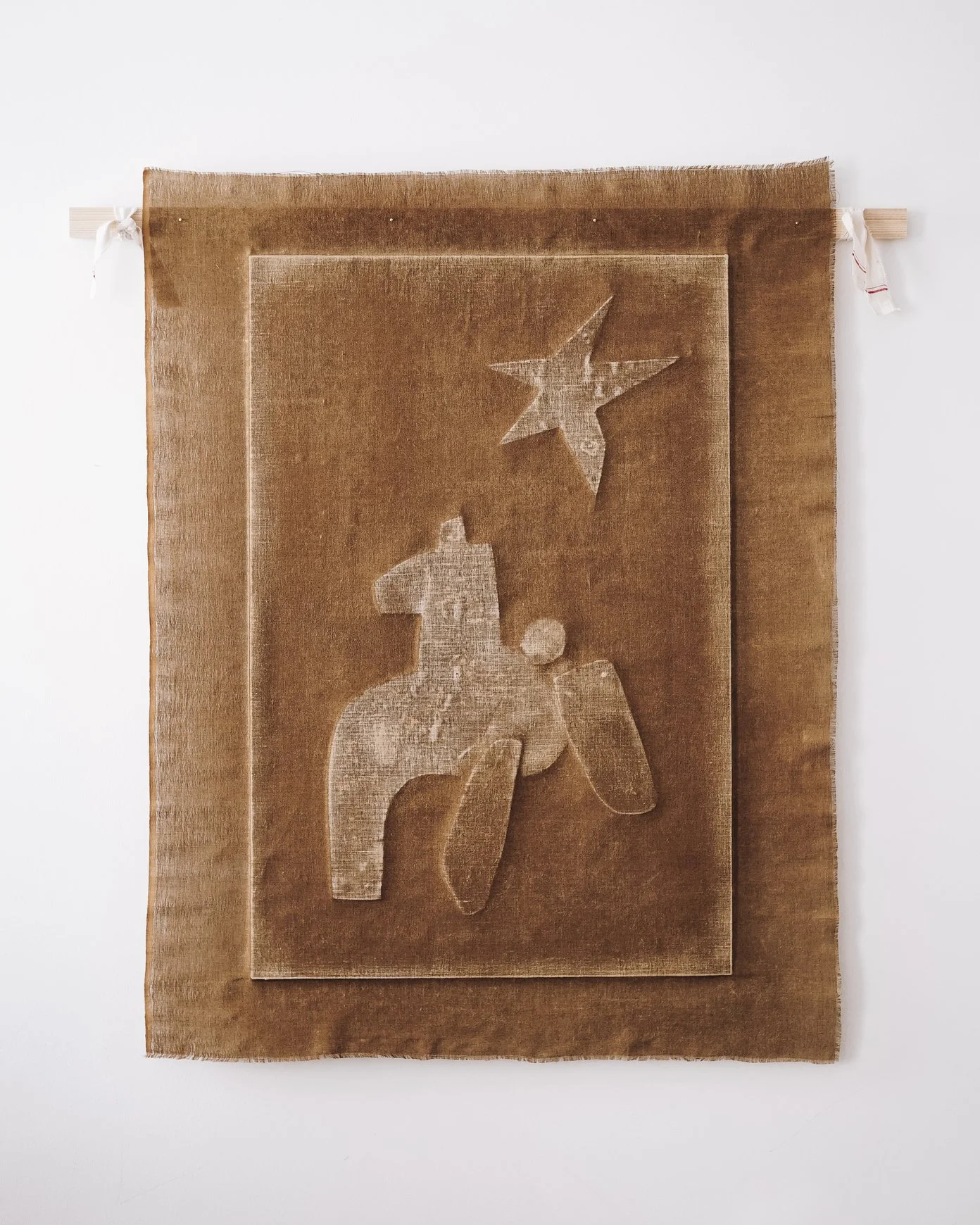
ACCEPTANCE, LINEN AND SHELLAC, 144x111 CM, 2025
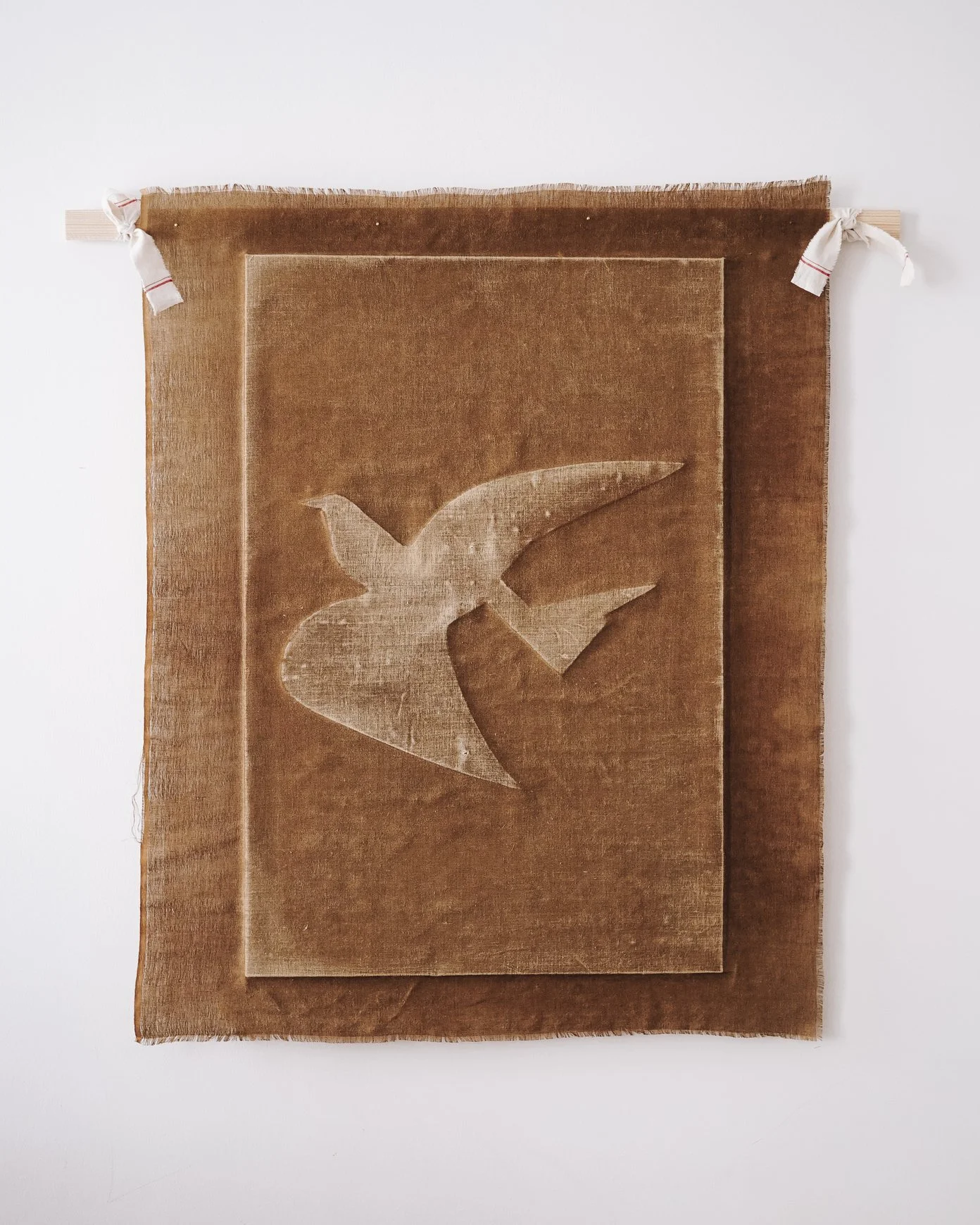
FREEDOM, LINEN AND SHELLAC, 139x110 CM, 2025
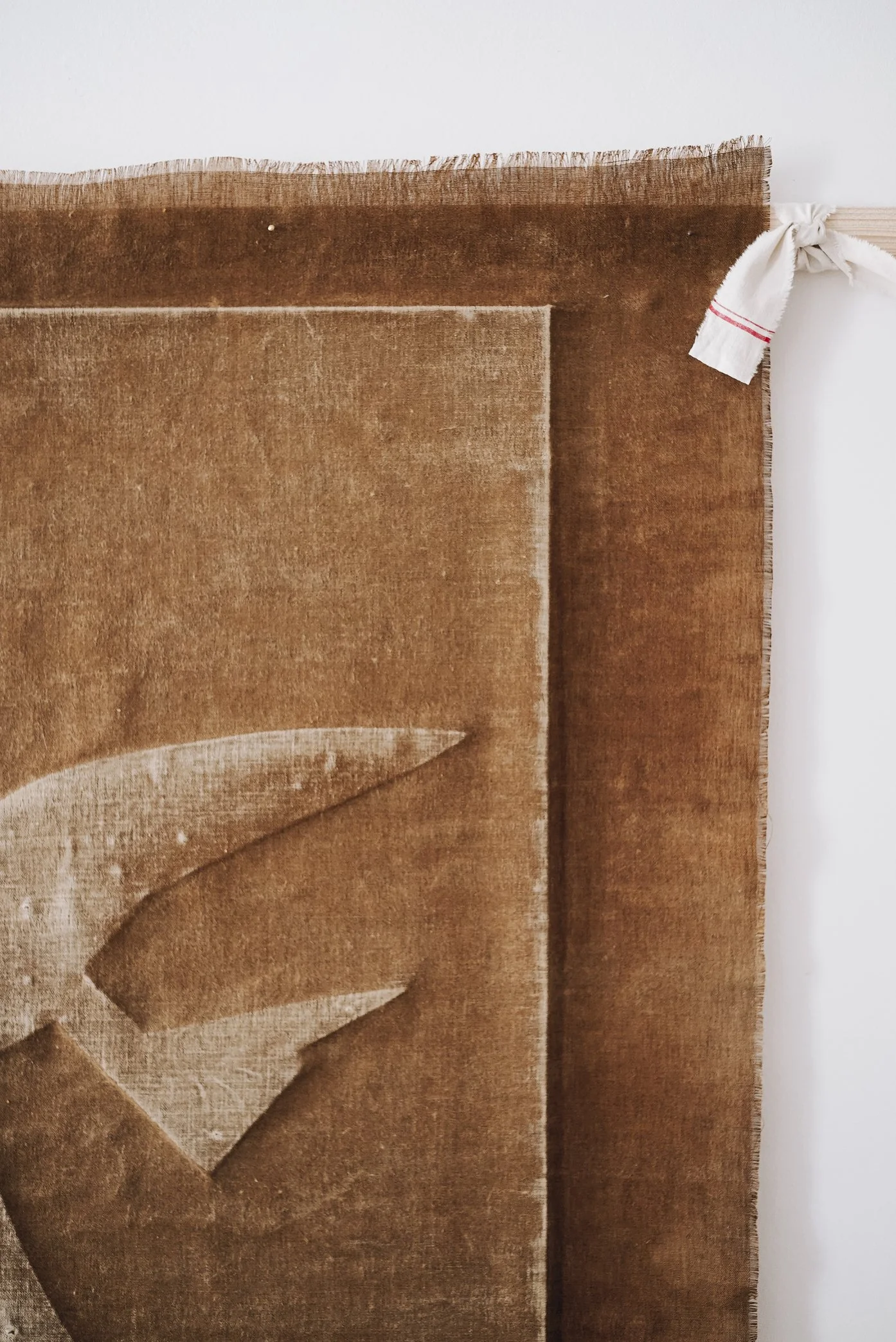
Influenced by Tintoretto’s symbolic murals at Venice’s Scuola Grande di San Rocco, the seven-part structure translates Renaissance allegory into a contemporary language of rhythm, ritual, and metamorphosis.
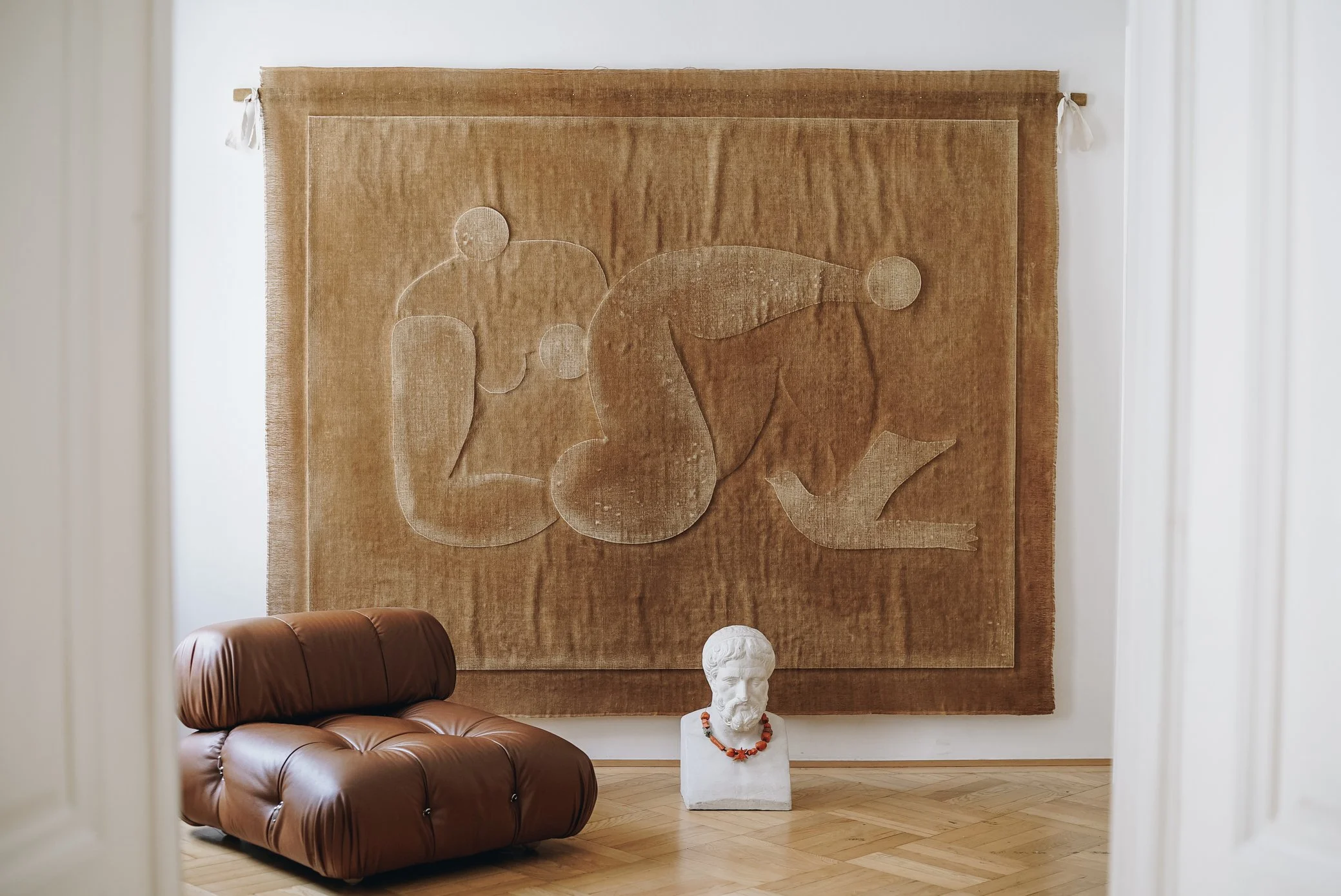
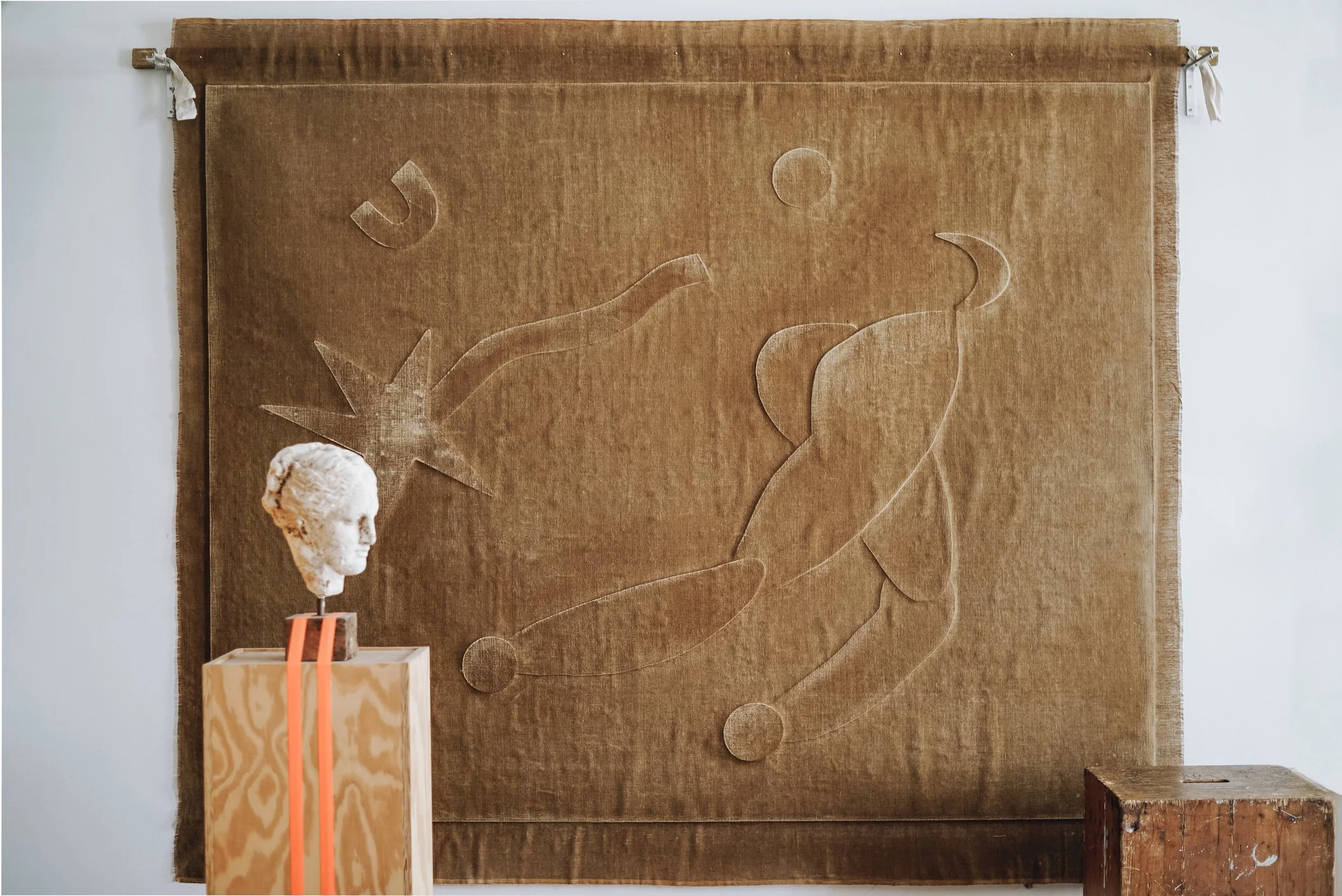
DANCE OF THE SEVEN VEILS II, LINEN AND SHELLAC, 262X224 CM, 2026DANCE OF THE SEVEN VEILS I, LINEN AND SHELLAC, 262X224 CM, 2026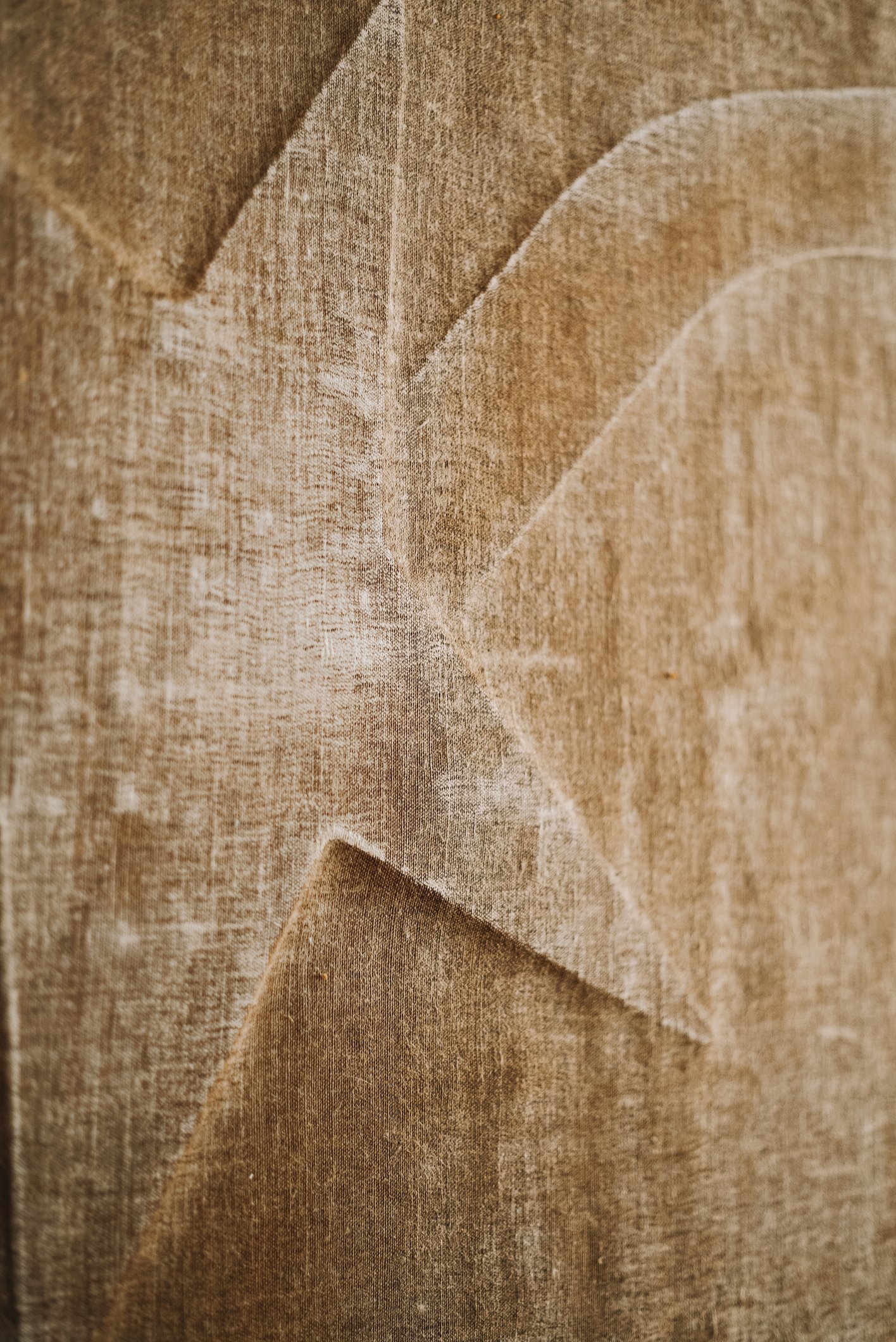
Exhibition Text
WHAT REMAINS
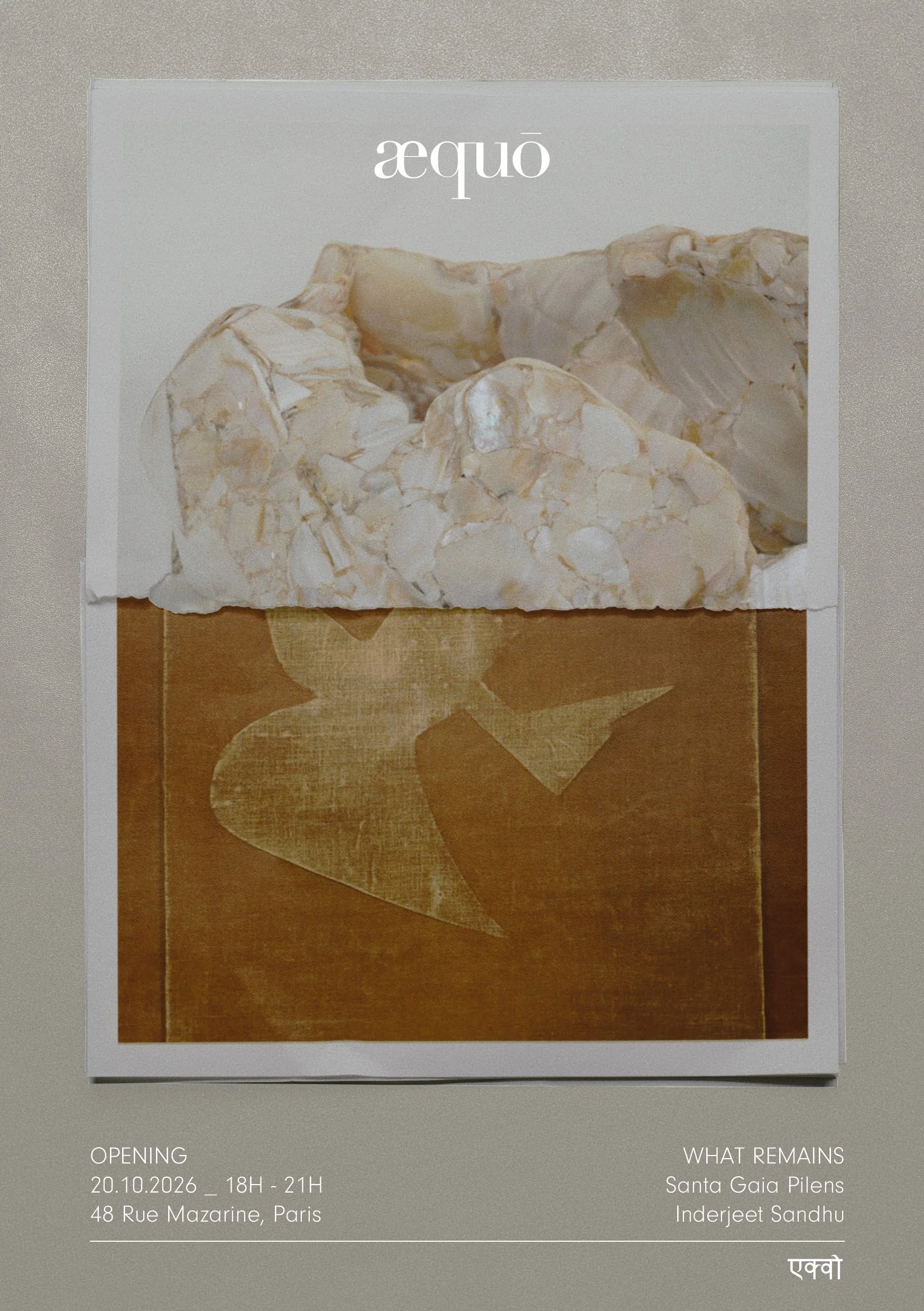
TWO-ARTIST EXHIBITION ''WHAT REMAINS'', 20TH OCTOBER 2026ÆQUO GALLERY, PARIS, FRANCEOn the occasion of Art Basel Paris, ‘‘What Remains’’ brings together Santa GAÏA Pilens and Inderjeet Sandhu through two practices concerned with transformation, and with what persists through it.
The exhibition unfolds in three moments.
It begins with three original works by Santa GAÏA Pilens, drawn from the language of her textile murals. Figures, animals, symbols and gestures emerge from mythology, folk traditions and collective memory, moving freely between ancient narratives and personal interpretation. Bodies merge with animals, hands become wings, while references ranging from Inanna and Salomé to the symbolic intensity of Tintoretto’s Venetian cycles surface as traces of stories carried through time.
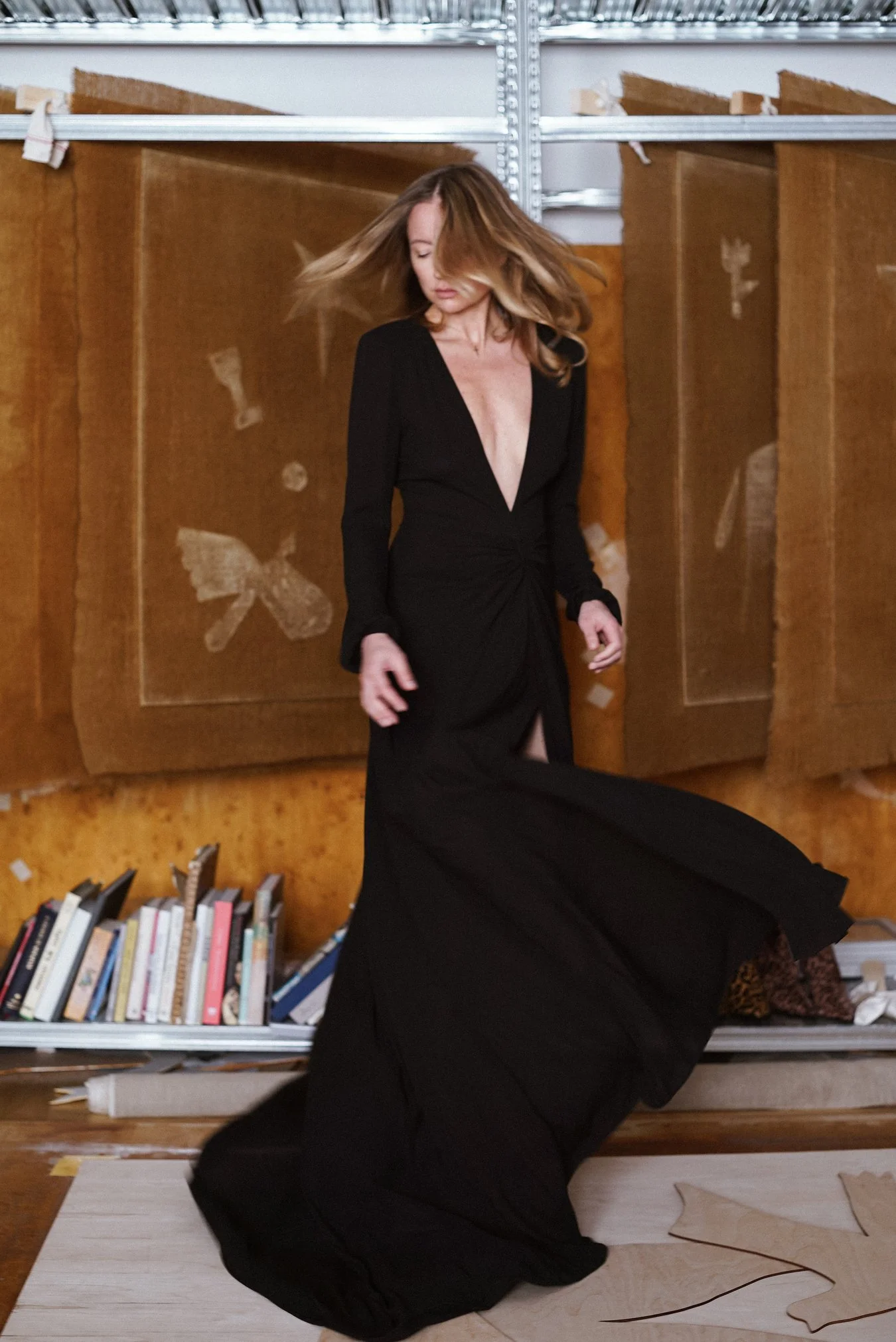
What remains once a story has been stripped of its literal narrative? Myth becomes gesture, the figure becomes sign. Working with raw linen and shellac, Santa GAÏA Pilens shapes and distresses the textile from its reverse through pressure and counterforms, allowing images to emerge from within the fibre. She describes these works as “contemporary mummies”: surfaces that cover, transform and ultimately reveal an underlying essence.
A fourth work marks a transition.
Developed through Santa GAÏA Pilens’ collaboration with Æquo and embroidery ateliers in Mumbai, it brings this language into contact with another culture of making. Embroidery follows, interrupts and extends the signs already present in the shellac-treated linen. Sitting between what was and what is yet to come, the work retains Santa GAÏA Pilens’ original language while announcing a new body of works being developed with Æquo over the coming year.
From the survival of an image to the survival of matter.
For his second residency with Æquo, Dutch designer of Indian origin Inderjeet Sandhu continues Tidal Fragments, a series rooted in the history of shell and mother-of-pearl craftsmanship in India. Its starting point is a coastal landscape where shells, carried, broken and polished by tides over time, accumulated in such abundance that craftspeople settled nearby and began working them as raw material.
Sandhu begins with what the landscape has left behind. Fragments shaped by water, wind and time are gathered and assembled into vessels and sculptural forms. Their irregular contours remain visible; fractures and organic edges become part of the objects rather than imperfections to be erased. Each piece carries evidence of what the material was before it became something else.
Placed together, Santa GAÏA Pilens and Inderjeet Sandhu approach the idea of the remnant from two directions. What Remains lies somewhere within this movement: what a story, a gesture or a material carries forward after transformation, altered, but never entirely erased.
ÆQUO GALLERY48 RUE MAZARINE, PARIS, FRANCE