

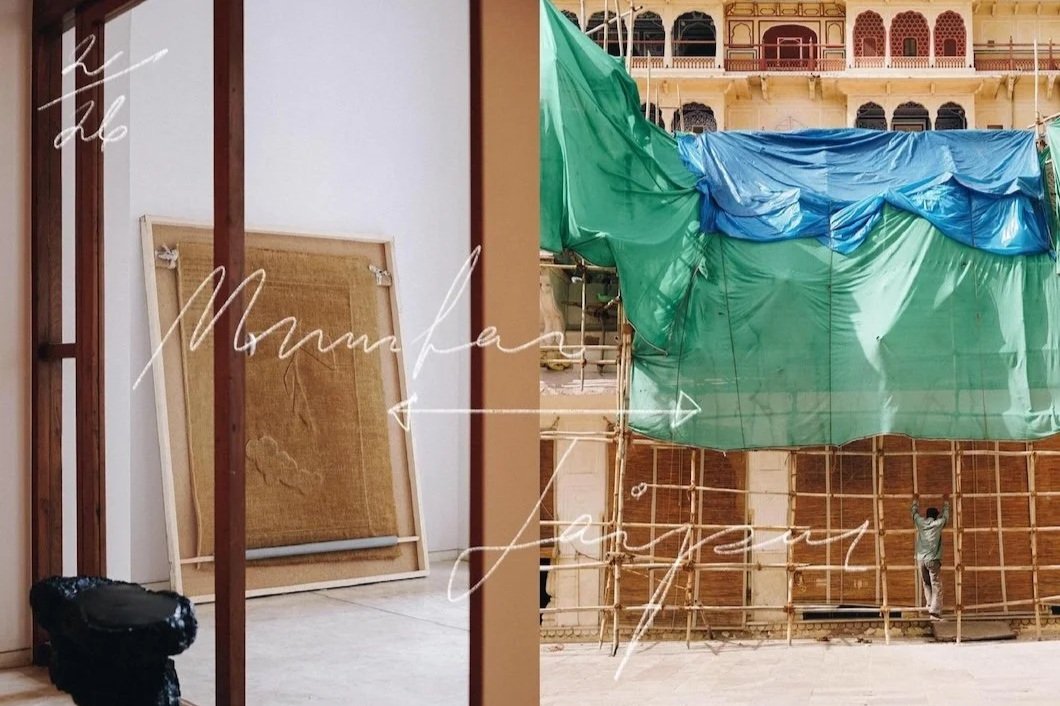
Without a map: Notes from India
Within this journal entry, you can read notes from my time in India. Reflections written during my residency as part of the collaboration with Æquō Gallery. They are fragments of that experience, moments gathered along the way, shaped by the city, the workshops, and the people.
Art, like travel, is best approached without a map. You arrive a little lost, a little open, and if you’re lucky, the world changes you before you even realise it’s happening.
India met me in layers. History resting beside the present. Noise and stillness existing at the same time. Every place carries a trace of someone’s story, and when those layers overlap, something whole begins to form. Something honest.
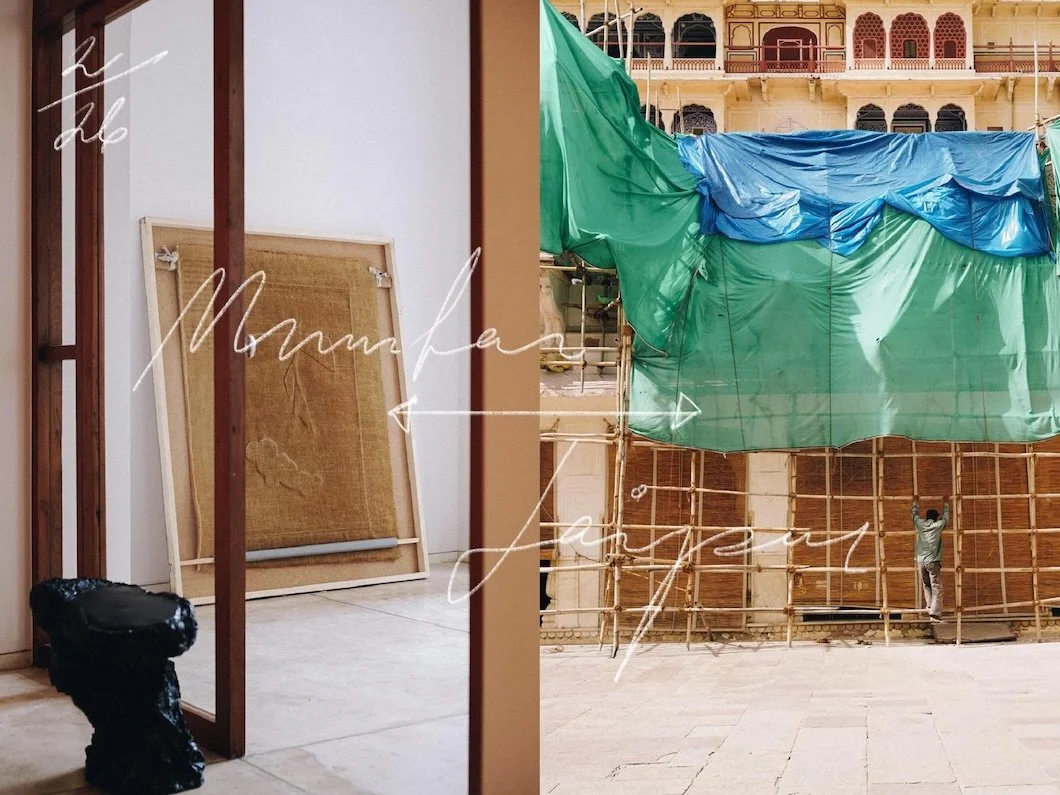
Within this journal entry, you can read notes from my time in India. Reflections written during my residency as part of the collaboration with Æquō Gallery. They are fragments of that experience, moments gathered along the way, shaped by the city, the workshops, and the people.
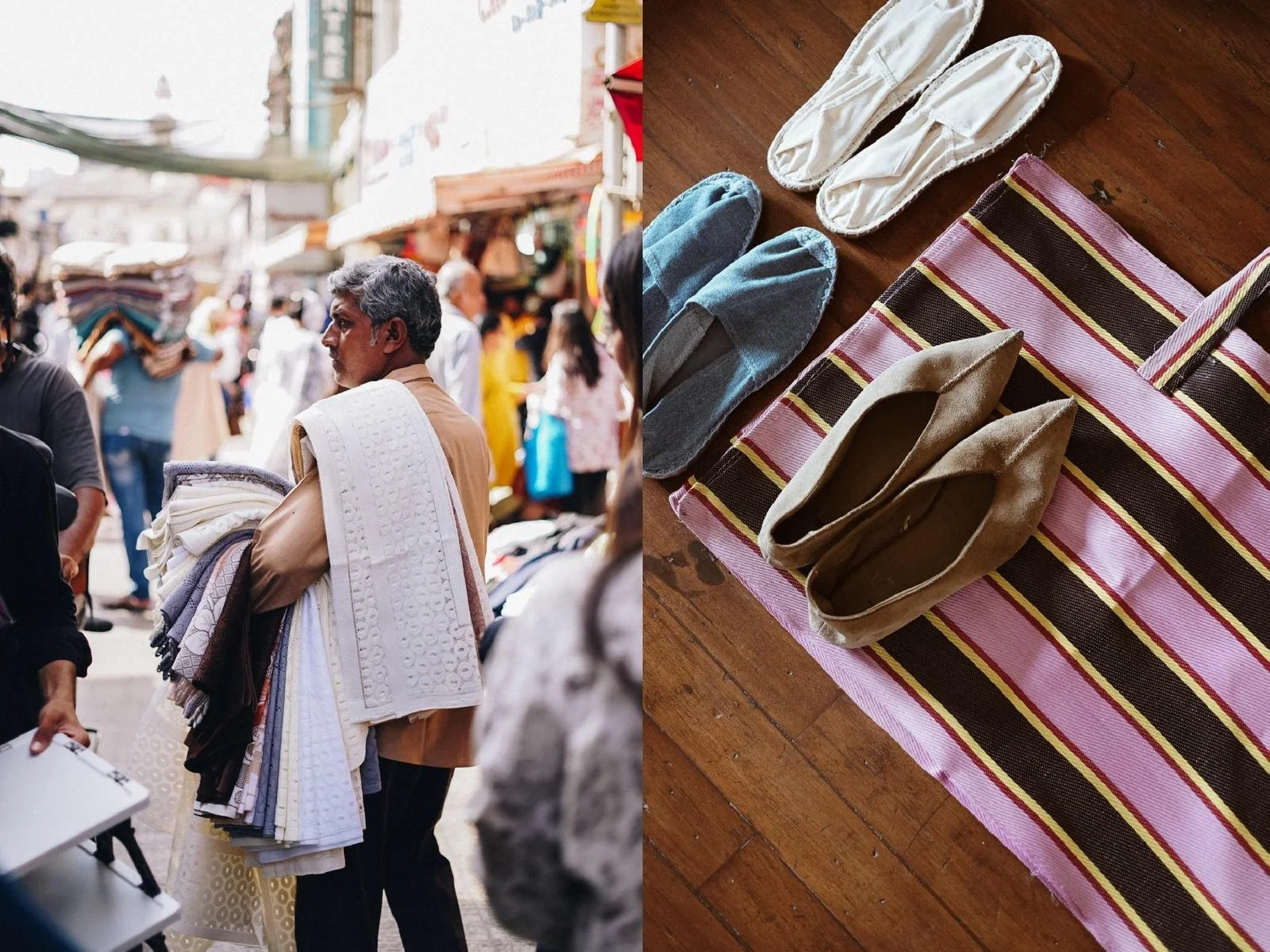
Beauty doesn’t need to be invented. It’s out there, hiding in plain sight, waiting for that quiet second when you finally notice it.
Collaboration is the true heart of creation. It’s those meaningful exchanges, those unexpected moments when ideas cross paths and become something larger than any of us alone.
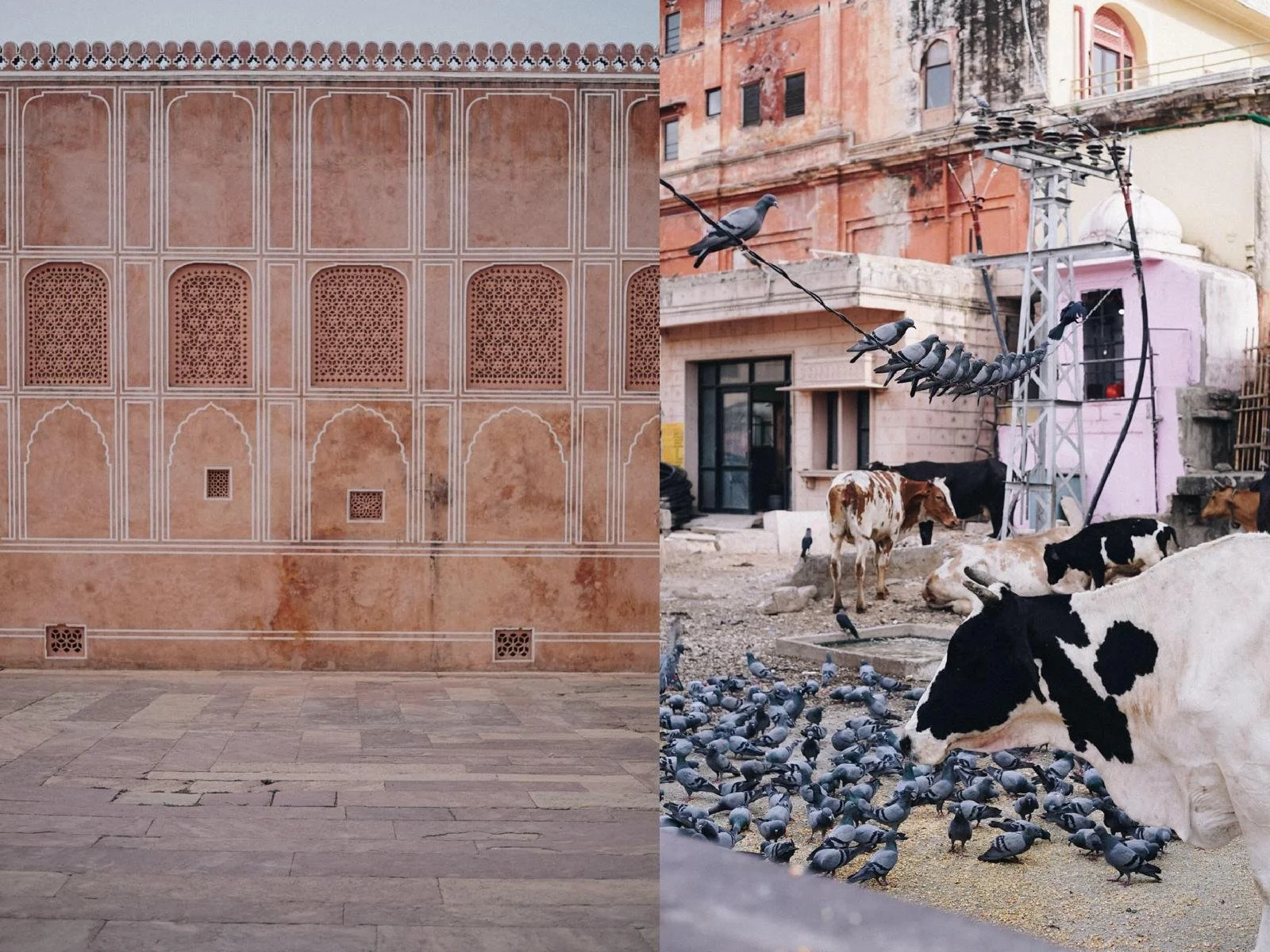
Being an artist really just means paying attention. Seeing what others miss. Sometimes that’s a color, a rhythm, or just the silence between two people.
India taught me that nothing stays still. Everything shifts—light, rhythm, sound, even your sense of self. And that’s the beauty of it.
Mastery isn’t about striving harder; it’s about showing up again and again until the act becomes as natural as breathing.
The world, for all its chaos, has a rhythm underneath it. You catch it only when you slow down, listen, and allow stillness to guide you.
I no longer think of art as leaving a mark, but as creating a moment of connection—fleeting, genuine, and shared.
Art should stay with you the way light stays after sunset—lingering, impossible to define, but quietly unforgettable.
Where to go, what to see, what to experience
Mumbai – the heart of my journey
Colaba – I suggest beginning your discovery here. This southernmost district of Mumbai, once favored by merchants and British officers, still carries traces of colonial grandeur. Each house has its own name and history, and the afternoon light reveals new stories on every weathered façade. Walk slowly — between the palms and rain trees — and let the architecture whisper its past.
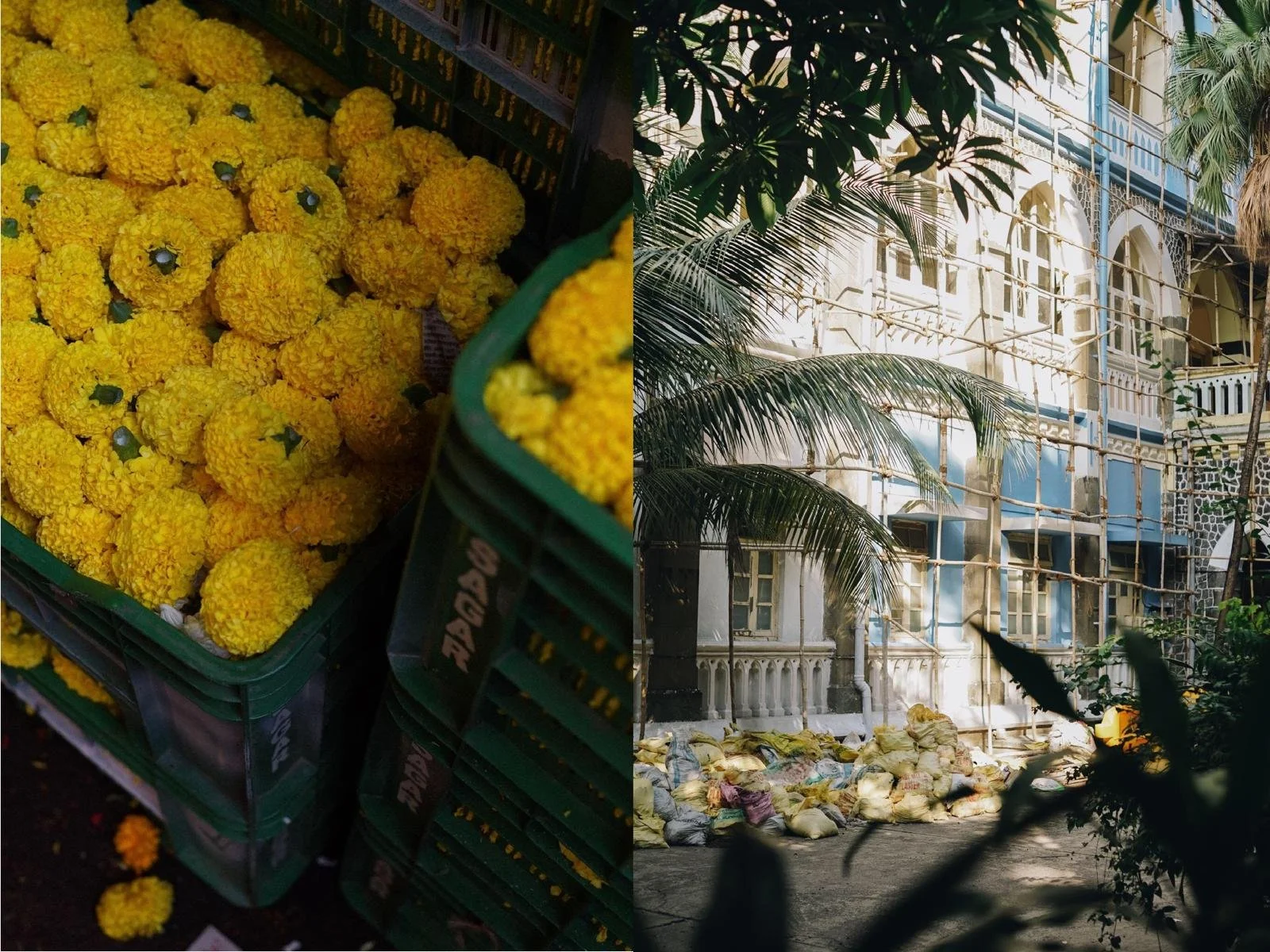
Dadar Flower Market – Visit at dawn. This is Mumbai at its most alive: garlands of marigolds, bursts of jasmine, colors that defy language. It’s one of the city’s oldest wholesale flower markets, tucked near Dadar station. Amid the chaos and fragrance lies a rare moment of purity — beauty at its peak.
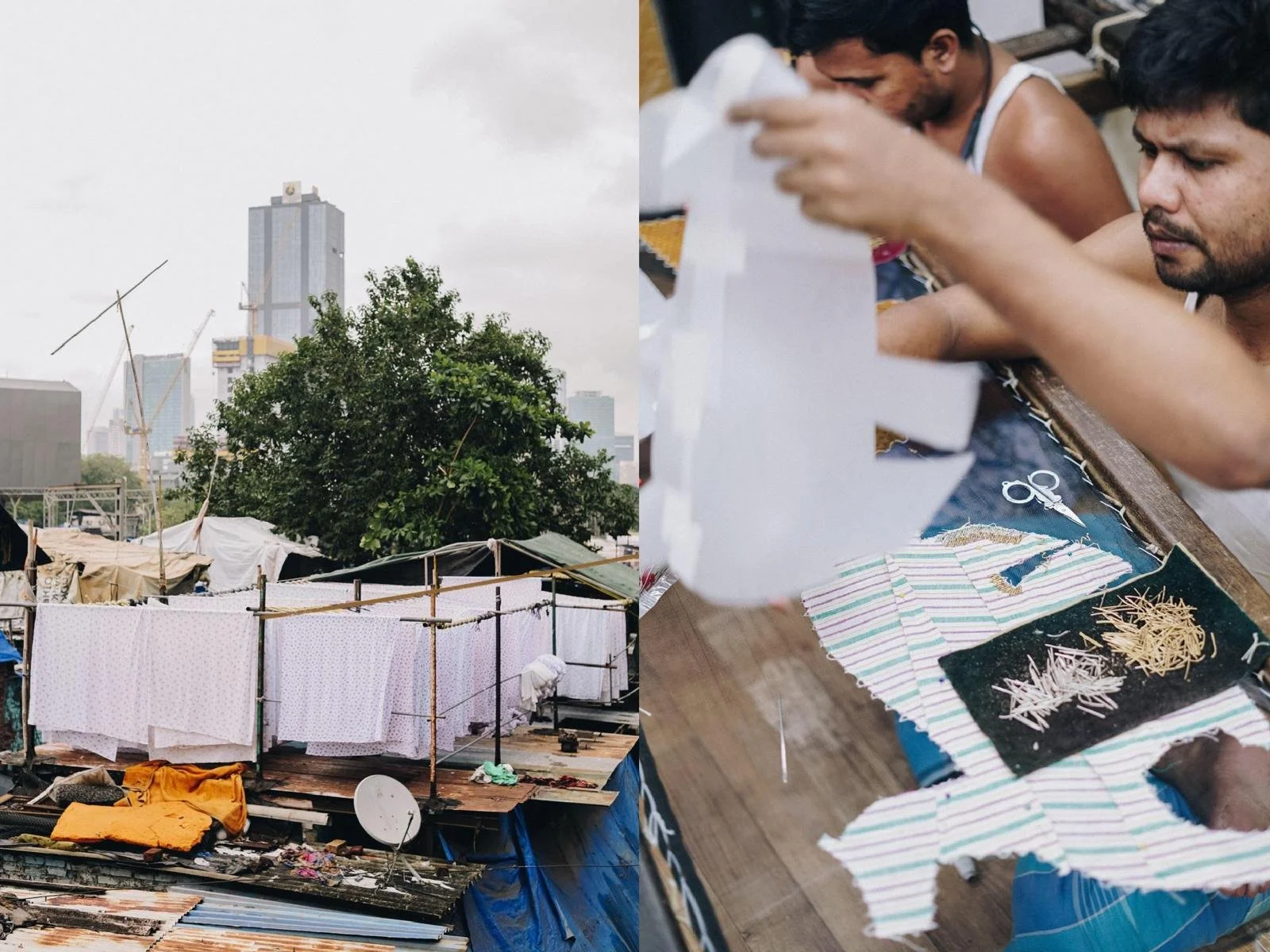
Dhobi Ghat – Stop by this open-air laundry at Mahalaxmi. Established over a century ago, it still functions much as it did then: hundreds of washers rhythmically working under the open sky. There’s a strange order to its repetition; standing there, I felt the quiet power of collective effort and grace in the ordinary.
Gallery Æquo (@_aequo) – If your interests lie at the meeting point of art, design, and craft, visit this gallery. It champions artisanship as a living language and invites collaboration between contemporary artists and traditional makers. My time here became a dialogue — an exchange of heritage and innovation.
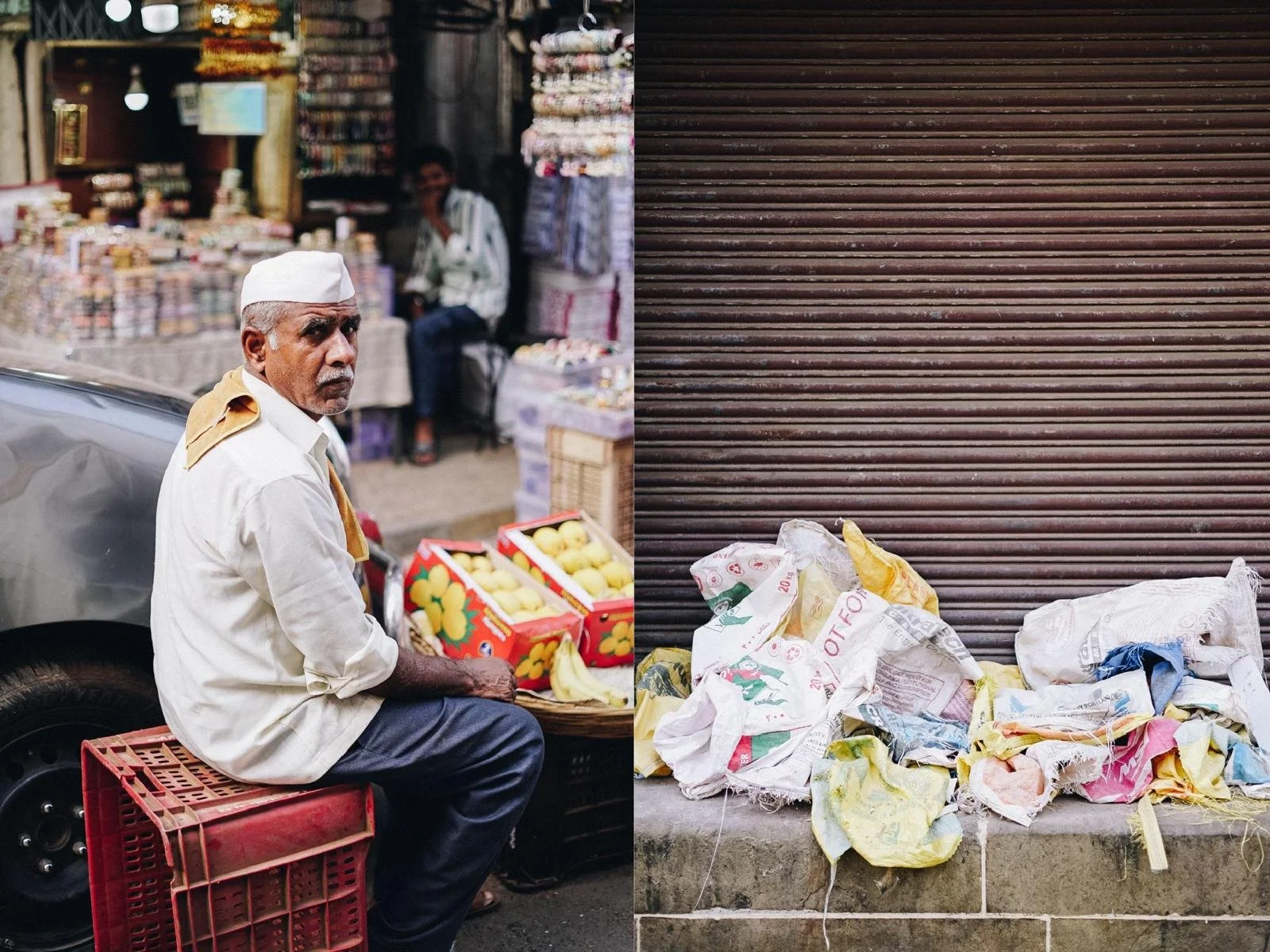
Mumbai markets – Wander without purpose. Whether in Crawford Market or a neighborhood bazaar, there’s inspiration in the textures of fabrics, everyday objects, and human gestures. Many of my creative sparks were born there — from things others might easily overlook.
Jaipur – my poetic reflection of India
The Pink City – Jaipur doesn’t ask to be described; it simply unfolds. Built in 1727 by Maharaja Sawai Jai Singh II, its old city was painted terracotta pink in the late 19th century to welcome the Prince of Wales — and the color stayed. The hues soften and shimmer with the changing light, until you can no longer tell where the city ends and the sky begins.
Panna Meena ka Kund – One of India’s most beautiful stepwells, dating back to the 16th century. Come early, when it’s still quiet. The symmetry of the stone steps and the reflection of golden light on water evoke a sense of timeless balance — a meditation in architecture.
Cross-cutting philosophical or cultural points of interest
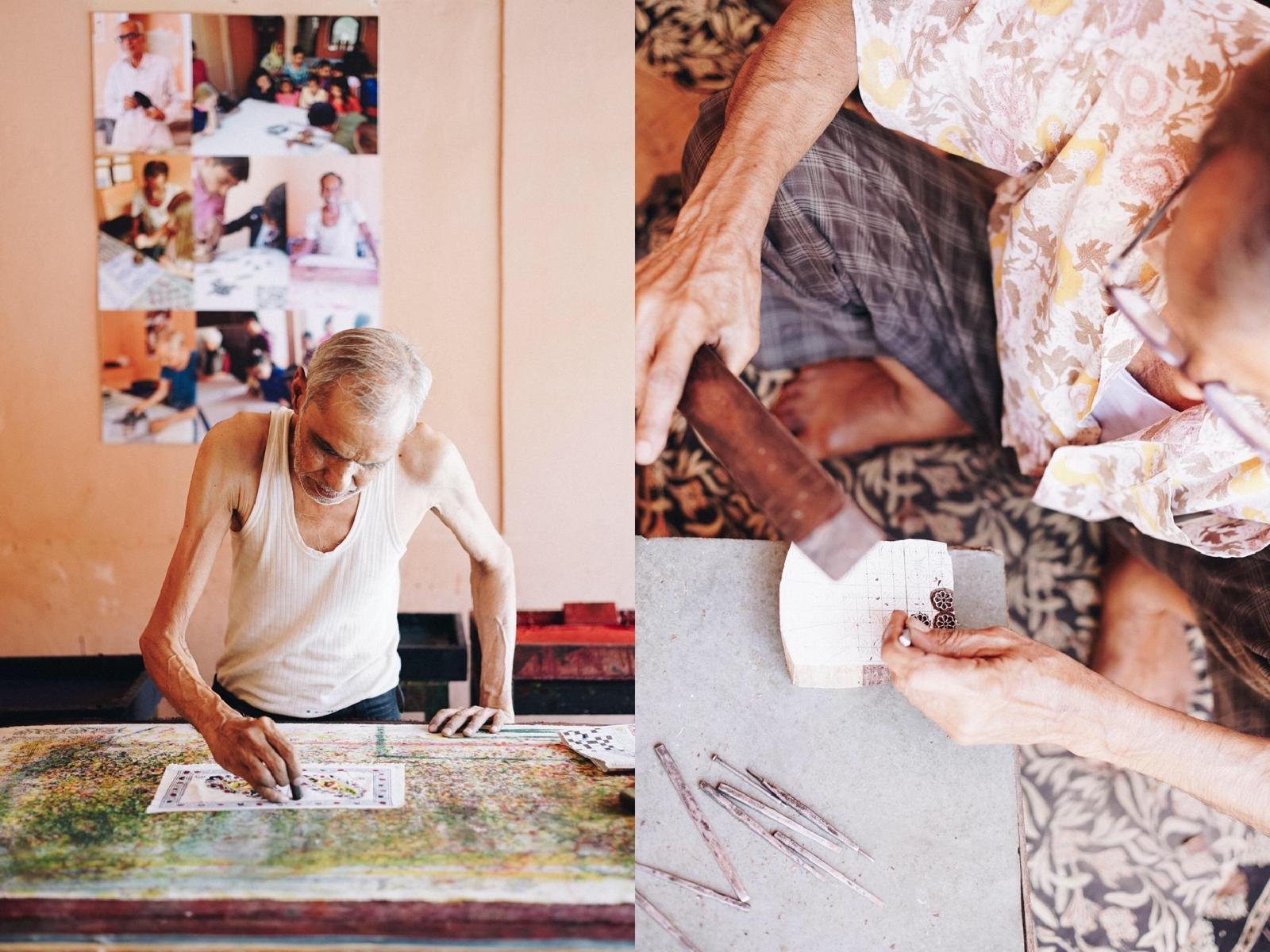
Local artisan workshops – I would suggest you working directly with craftsmen and encouraging visitors to experience traditional techniques firsthand and not only the finished pieces, but the process behind them.
Bookshops & Krishnamurti readings – If you are drawn to India’s philosophical depth, I would recommend exploring its intellectual heritage through independent bookshops and Krishnamurti readings (spaces where ideas are still exchanged slowly and thoughtfully).
Traditional Indian homes & meals – And beyond galleries or streets, true understanding often unfolds at a shared table. A lunch at local’s home, where you speak about fate and connection, reveals how cultural intimacy is found in conversation, in hospitality, in everyday moments.
To my dear Breakfast Club friends
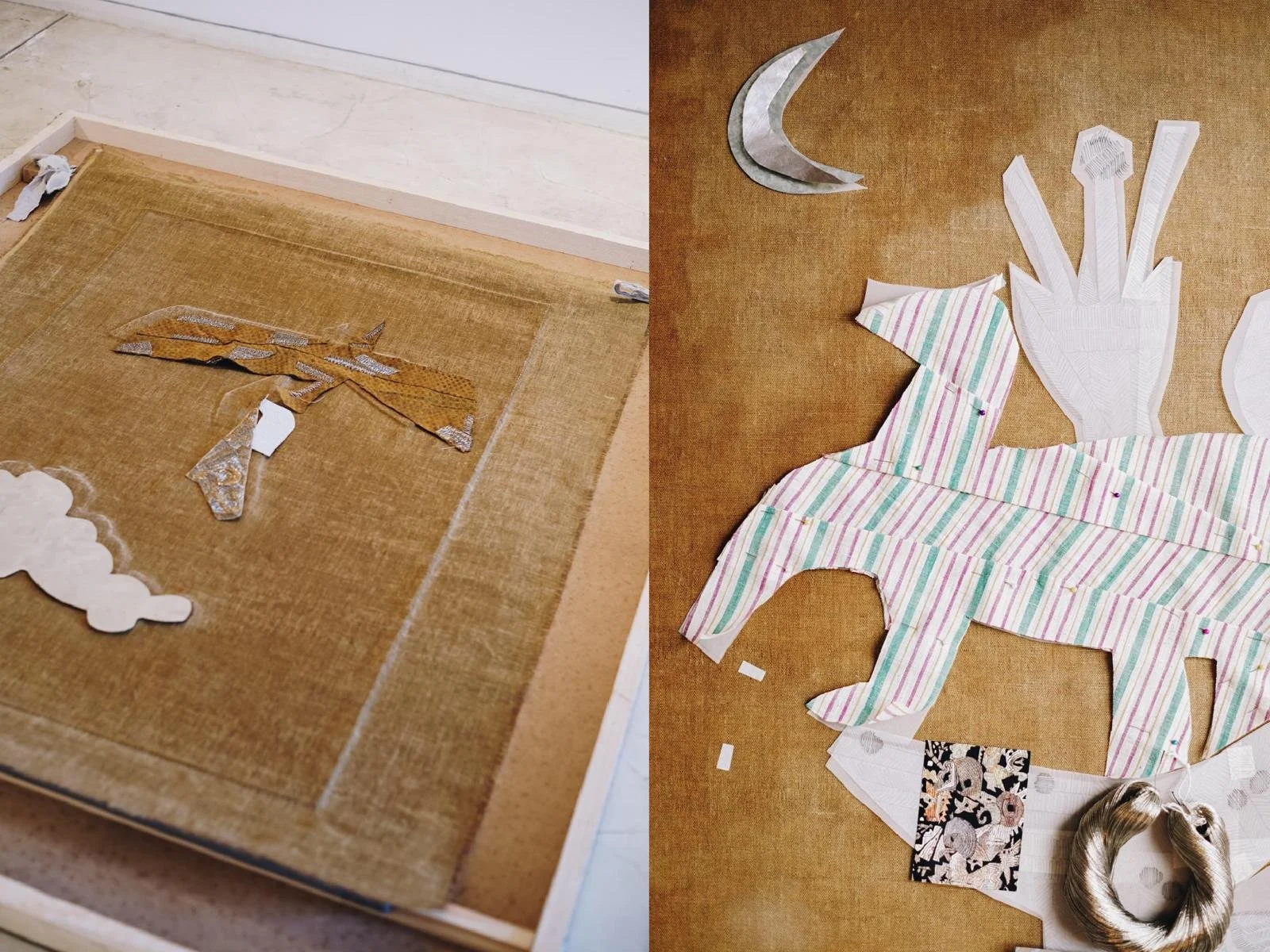
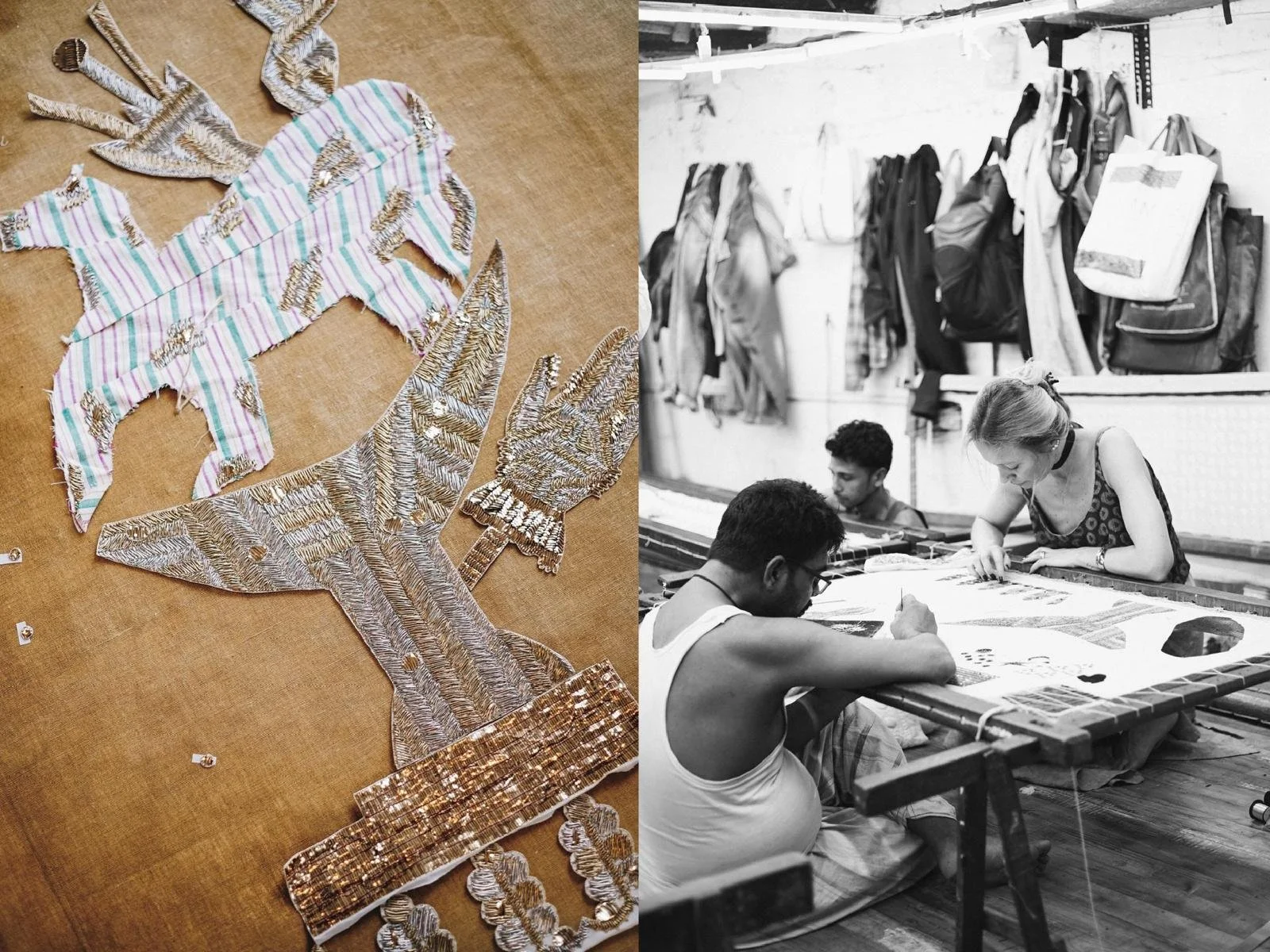
My debut collaboration with Æquō Gallery brought me to Mumbai, where I spent time working closely with master artisans in traditional embroidery workshops. The experience shaped two monumental textile works and opened a dialogue that continues this year.
The latest Breakfast Club issue is devoted to this journey
Breakfast Club members will receive the edition in an envelope printed in Jaipur Pink — a colour associated with the city since 1877. Inside, a postcard in turmeric yellow — a rich, warm ochre-gold shade seen across taxis, buildings, flowers and festivals. Accompanied with a text.
I hope you will enjoy this edition of Breakfast Club as much as I enjoyed sharing my time in India with you — perhaps without a map, but guided by colour, rhythm and inspiration.
The Merchant of lost souls
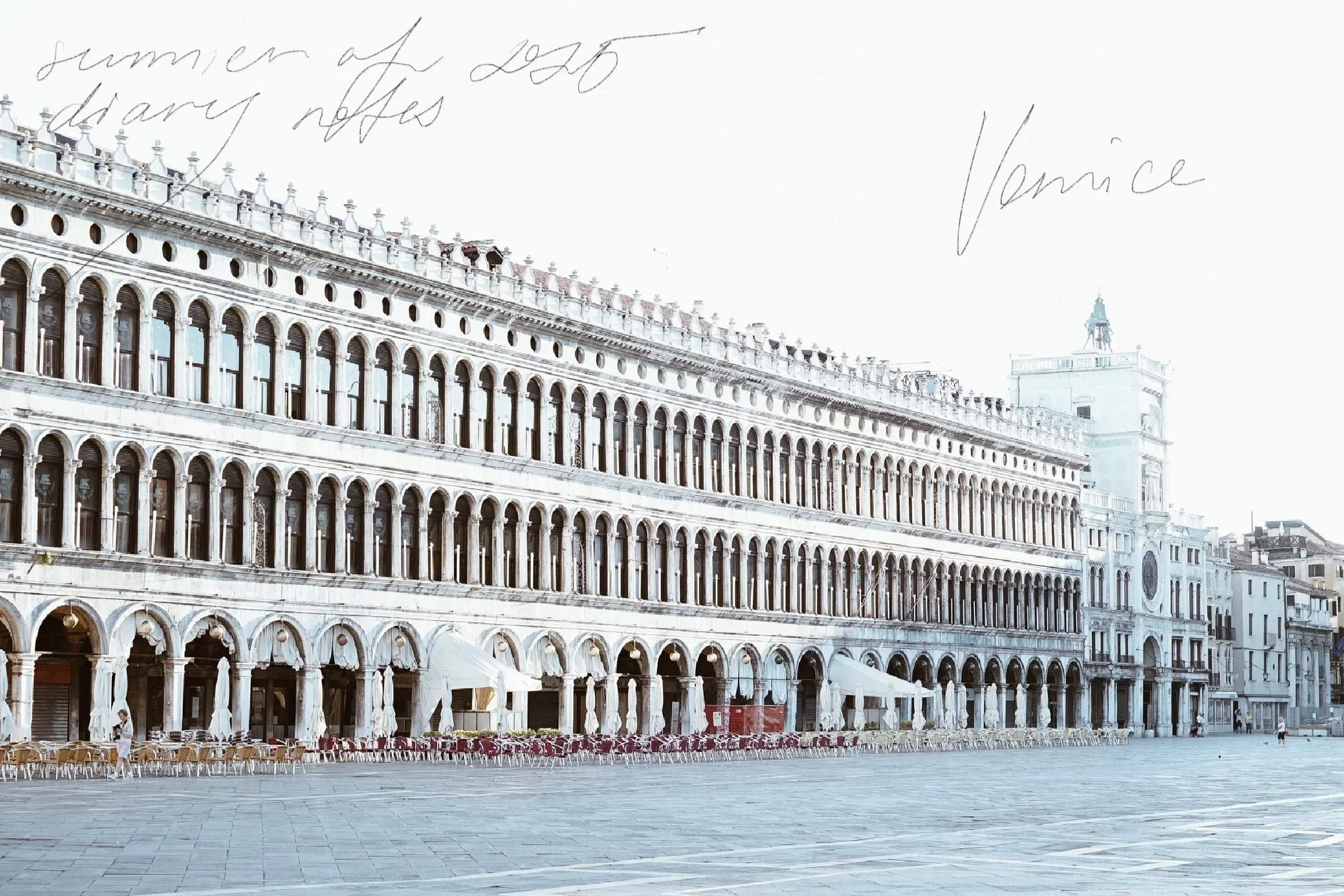
Venice is not just a city. It behaves more like a sensation, like something between a reality and a dream. “It’s a place where the real and the imagined overlap,” Santa Gaïa tells me, as if the lagoon itself edits reality by softening its lines, smudging its edges.
Venice is not just a city. It behaves more like a sensation, like something between a reality and a dream. “It’s a place where the real and the imagined overlap,” Santa GAÏA tells me, as if the lagoon itself edits reality by softening its lines, smudging its edges.
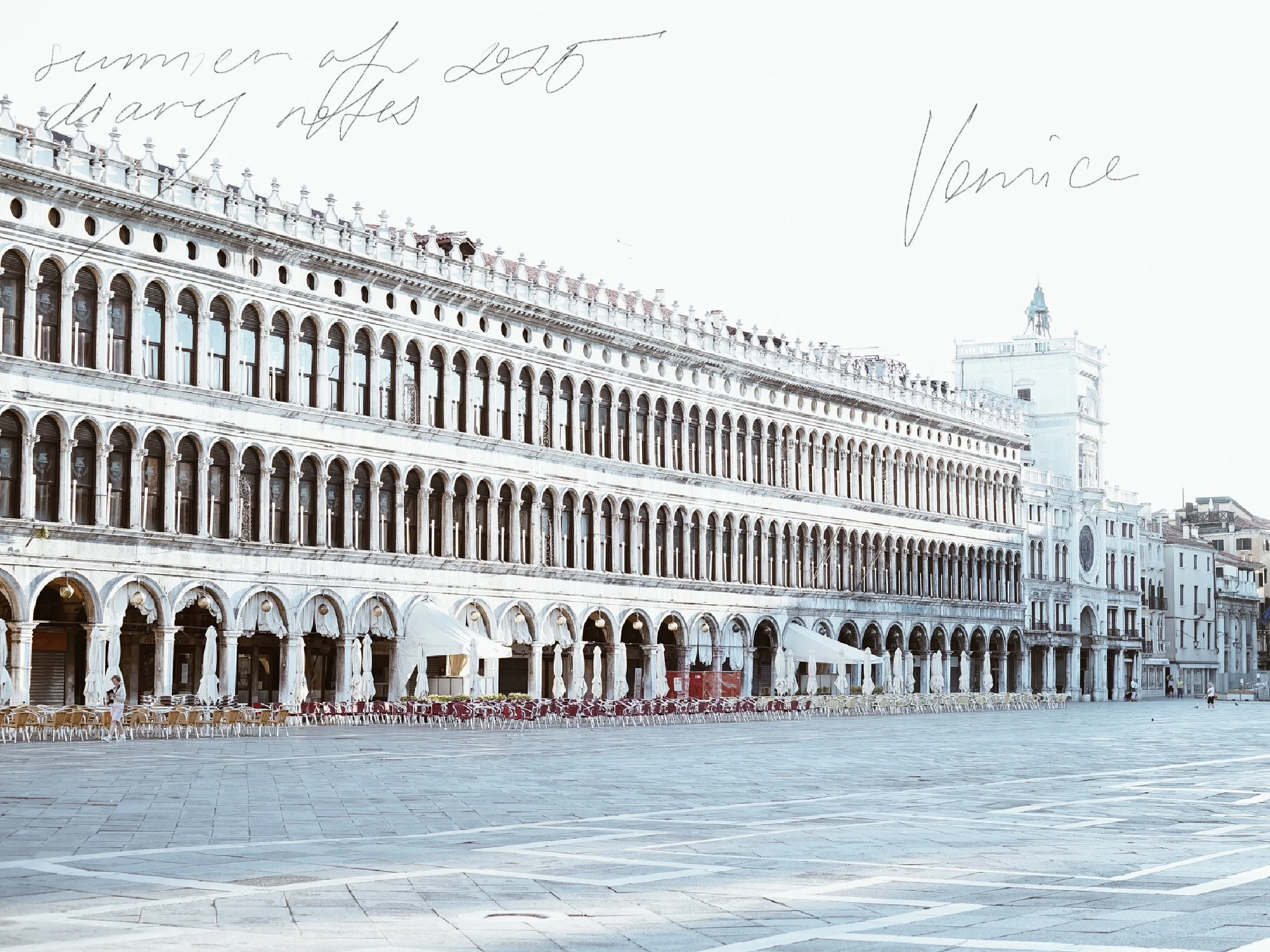
During her summer stay in Venice, Santa GAÏA continued developing The Dance of Seven Veils, her new series of textile murals inspired by the city’s atmosphere and layered history. Venice became a space for research and reflection—its light, textures, and shifting perspectives resonating with the themes of transformation and revelation central to her work. It was a merging of worlds, opposites. Looking beyond. Luxury and simplicity. Sky and water.
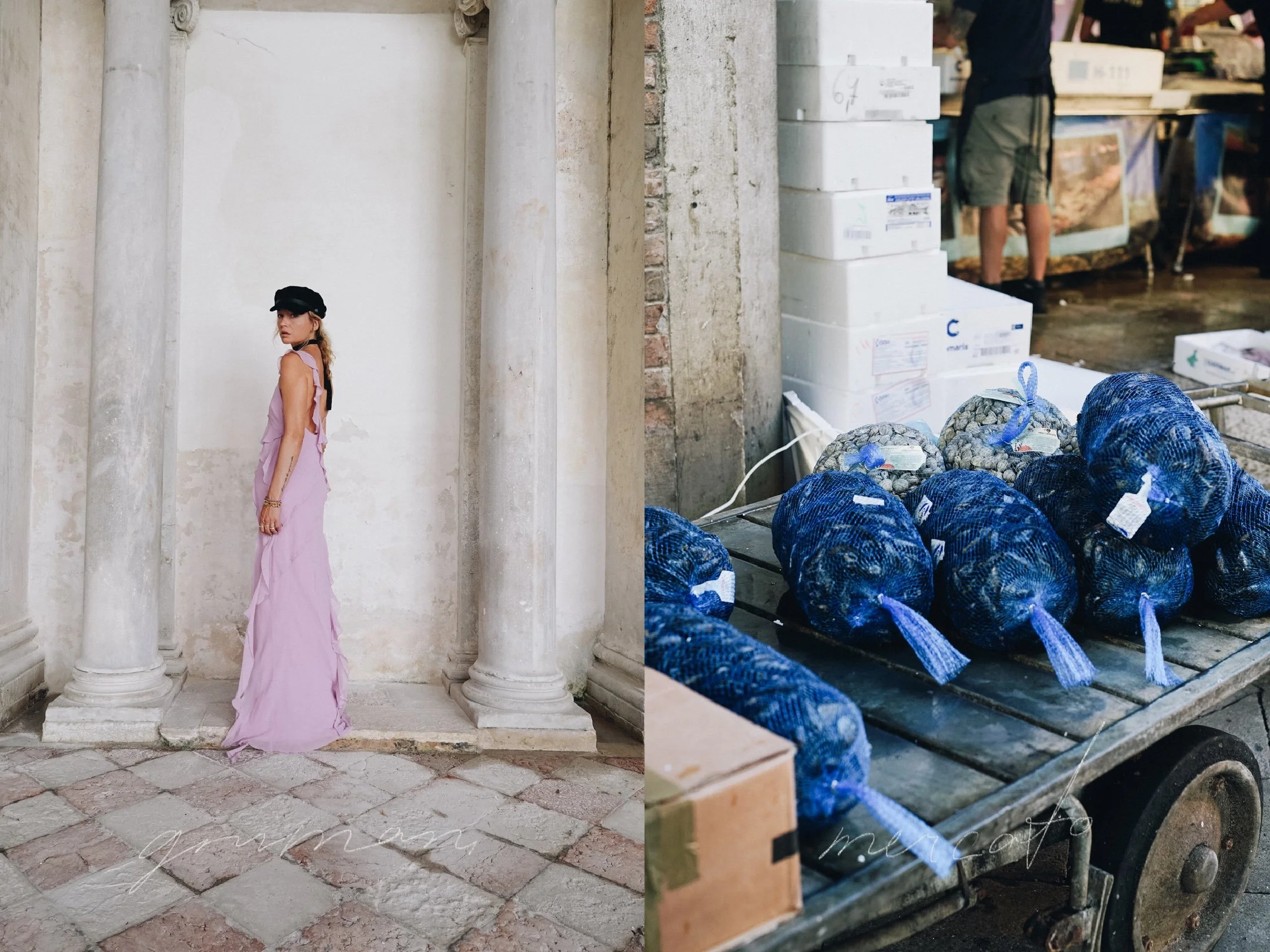
I ask her what is her favourite place to wander around and a corner/street she returns to every time. Her answer comes without hesitation:
‘‘It is the square, Campo Santa Maria Nova, just next to the church of Santa Maria dei Miracoli. The campo feels like a still movie: you can simply sit and watch life unfold, or step into the scene yourself. There is an antique bookshop on the square where I go to look for art posters, and I have included it in my second Breakfast Club art/love letter.’’
She also mentions Scuola Grande di San Rocco. Encountering Tintoretto’s vast symbolic murals there, Santa GAÏA found inspiration in their spiritual radiance and narrative depth, particularly in the way they embody mystical experience through visual rhythm. This encounter inspired her approach to the Dance of Seven Veils—a body of work rooted in the biblical story of Salome yet conceived as a distilled, contemporary meditation.
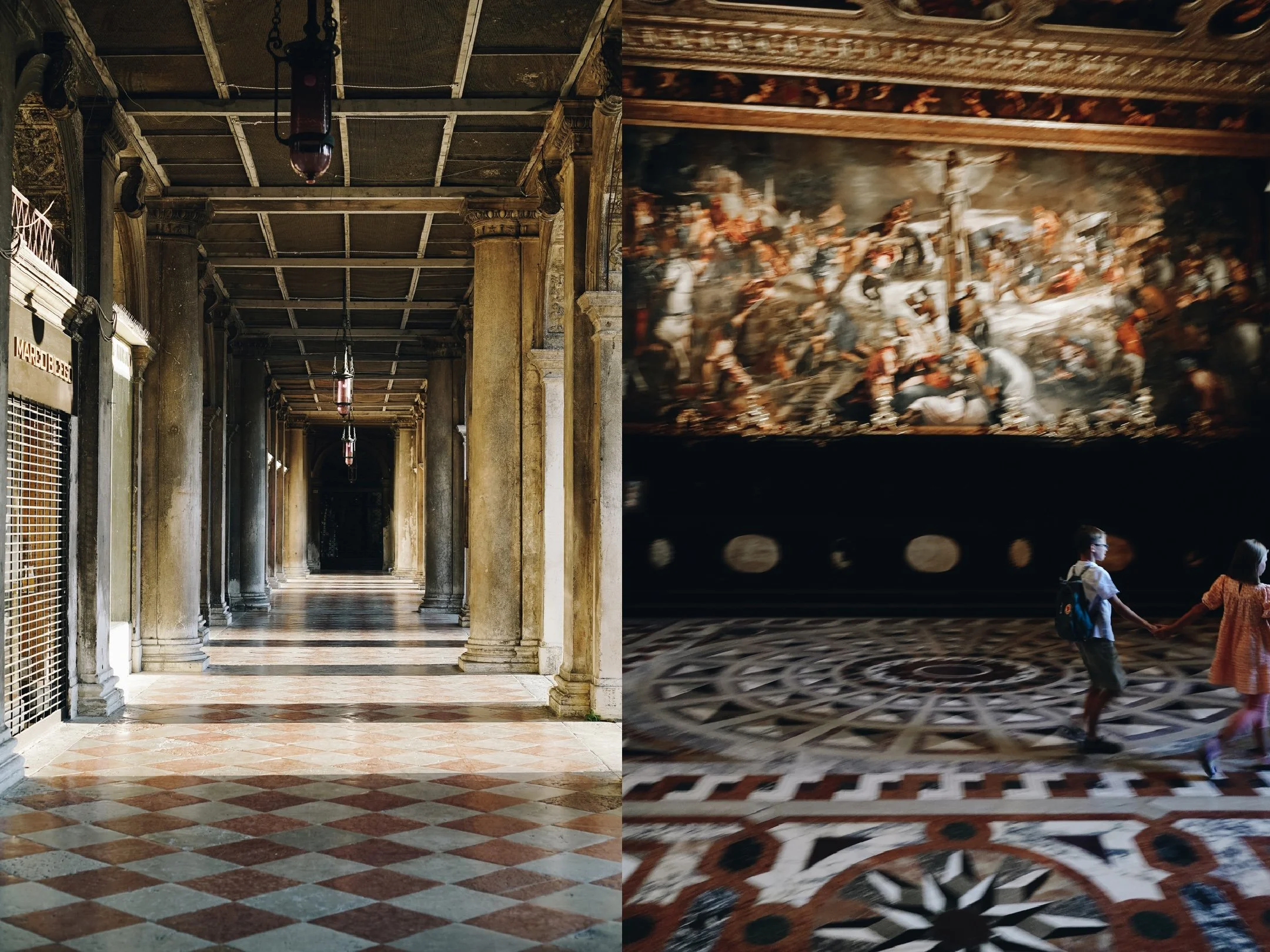
Venice is full of these small miracles, moments where the familiar suddenly shifts, making me curious about what still manages to surprise her in Venice, while returning to the city again and again. Her answer feels like Venice itself, unexpected and warm:
“Venice is a never-ending discovery. Beyond its breathtaking art, luminous light, and ever-flowing water, it is the people I meet along the way who make the city truly magical. A brief encounter over an espresso in the morning can lead to a fancy dinner in a palazzo by night. It’s all about staying open and embracing the flow.”
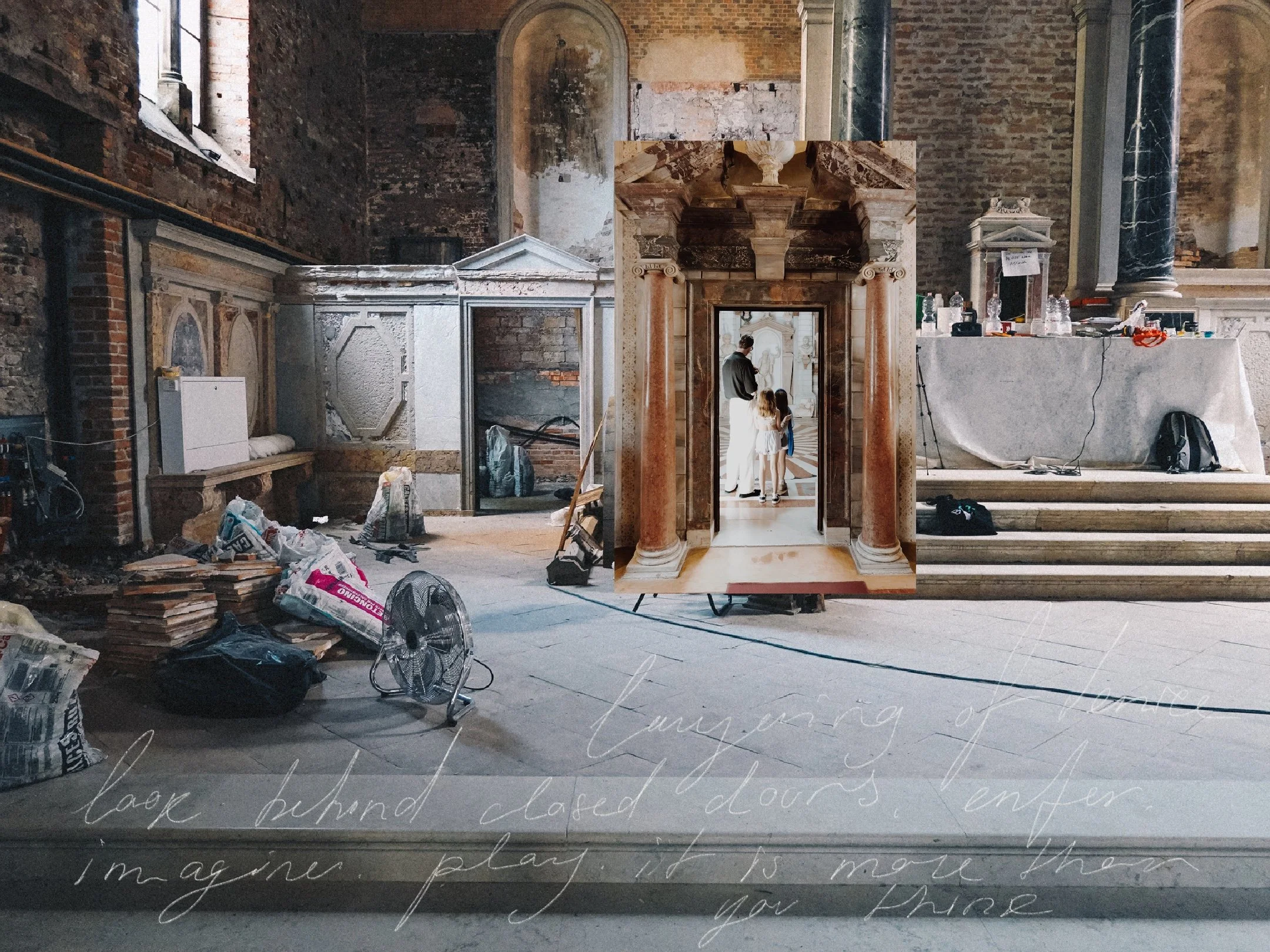
For Santa GAÏA, Venice feels like a stage set for a play that never ends. Not Shakespeare’s Merchant of Venice exactly, but something adjacent to it - a quiet negotiation between the self you show and the one you keep tucked away. A dance between losing yourself and finding yourself again.
“In Venice, you can disappear without ever being lost,” she says. ‘‘The tide brings you back. The stones remember your footsteps. Beauty and decay sit comfortably next to each other, like two old friends who no longer feel the need to pretend.’’
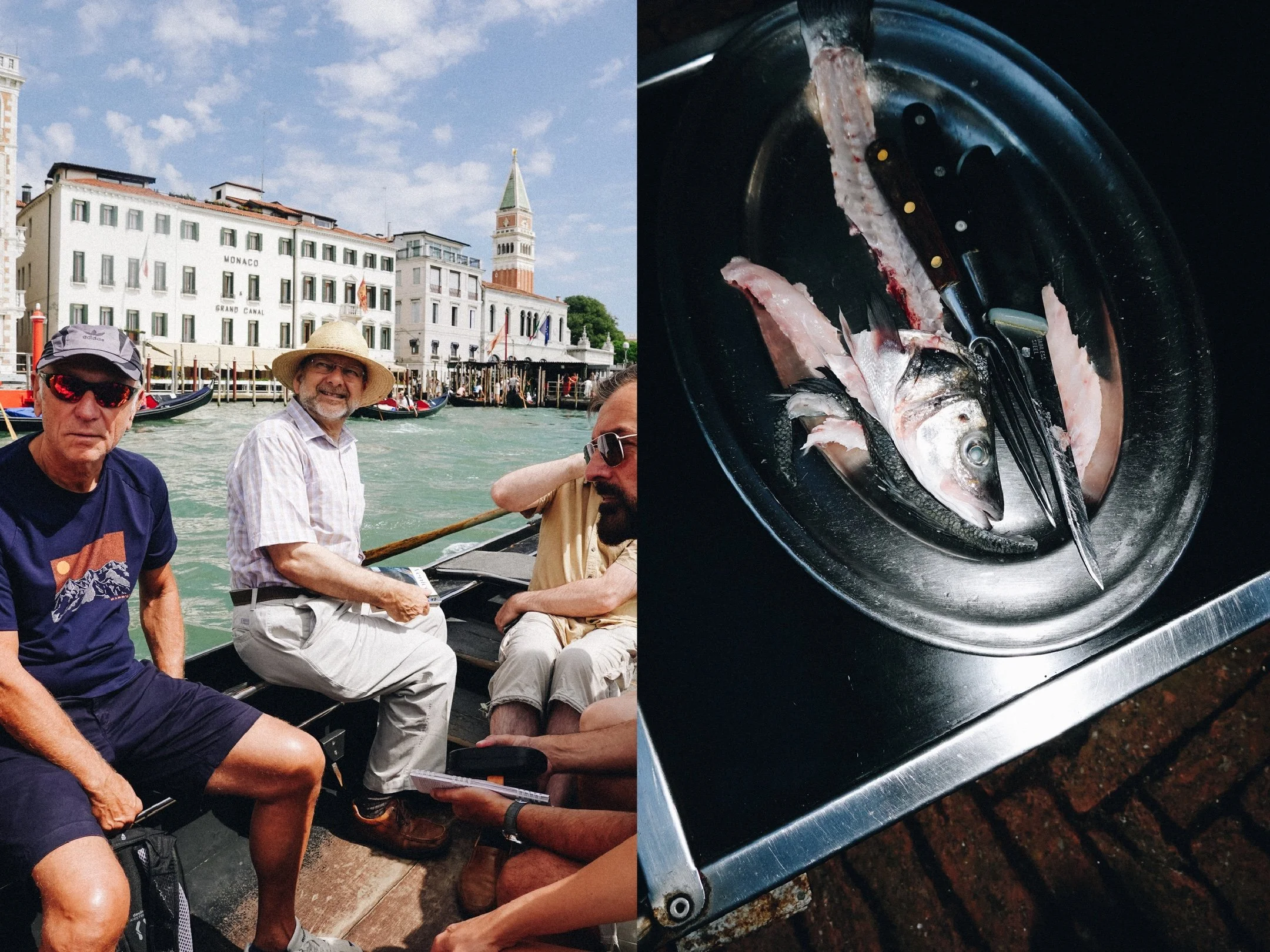
And so, before she leaves the city and promises to be back sooner rather than later, I asked her a final question, maybe the only impossible one: how she would describe Venice in a single sentence to someone who has never been there. She smiled, thought for a moment, and then answered:
“VENICE IS AN ILLUSION, A DREAM YOU MIGHT NOT WANT TO WAKE UP FROM.”
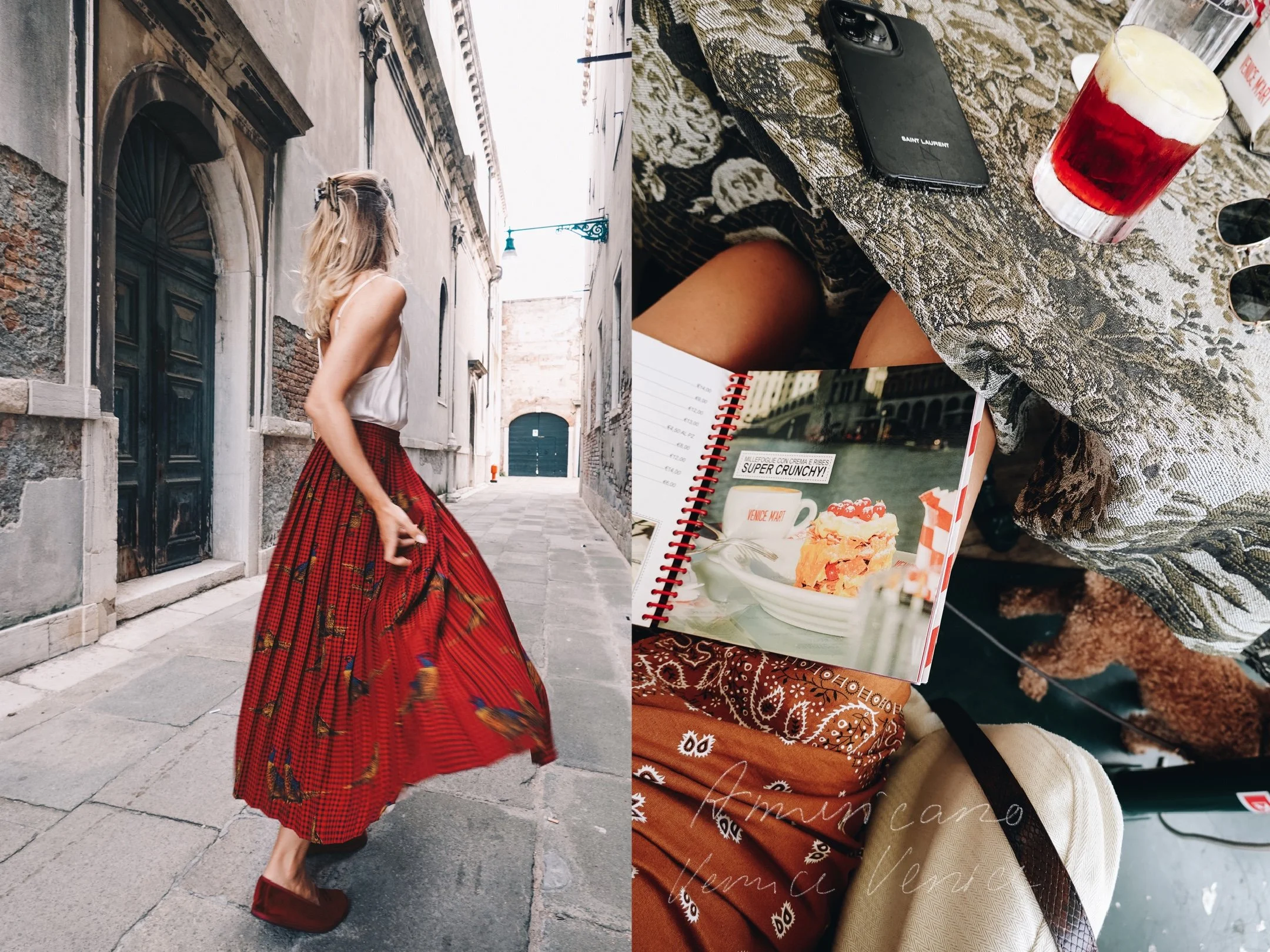
Where to go
Palazzo Grimani, Museo Fortuny, Rialto market and the Miracoli church would be my top choice. Sure there is also Palazzo Grassi, Guggenheim and many more amazing spaces to soak up art, culture, ambience.
Where to eat/drink
I’d start the day with a breakfast at hotel The Gritti Palace, go for a pre lunch to All’Arco cicchetti, lunch at Trattoria da Bepi, apero drink in Venice Venice hotel (please, take the Americano - cocktail not the coffee), have dinner at Vini da Arturo and finish the day at Harry’s Bar and order their iconic Bellini.
Where to stay
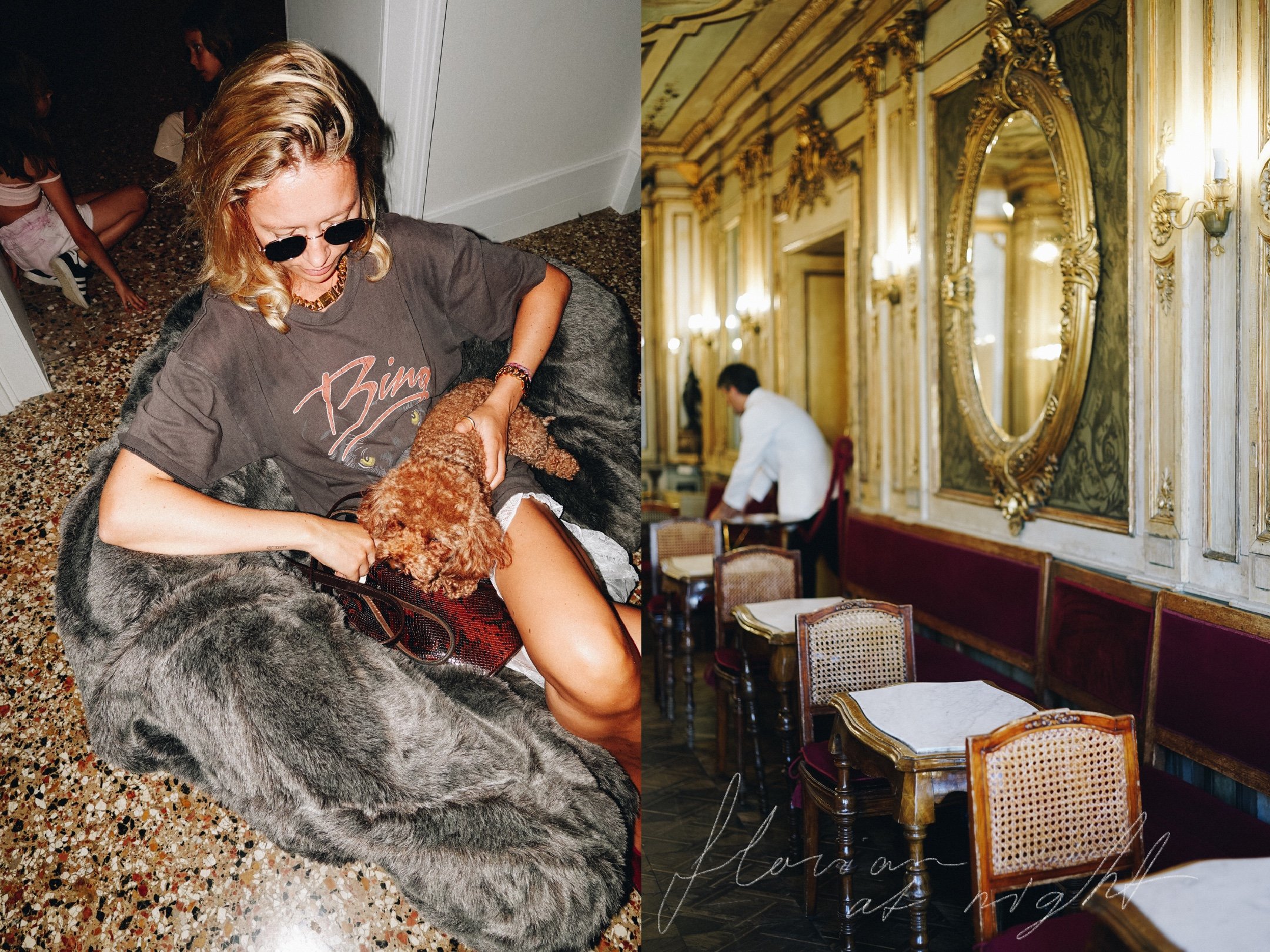
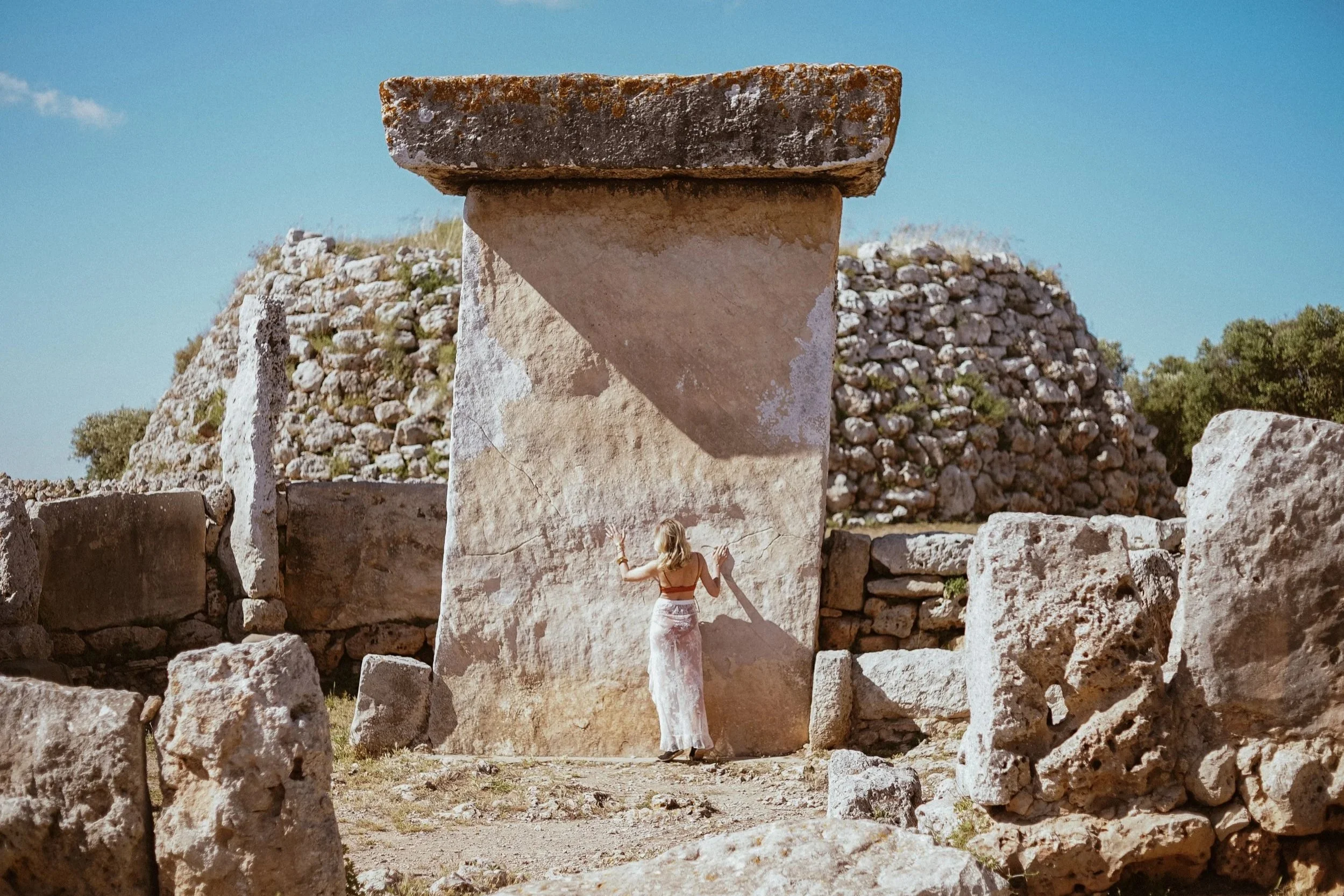
Menorca documentary
In May, Santa Gaïa Pilens returned from a luminous trip to Menorca, where she unveiled her latest series, Menorca Heritage, at Tabouret Gallery.
In May, Santa Gaïa Pilens returned from a luminous trip to Menorca, where she unveiled her latest series, Menorca Heritage, at Tabouret Gallery. The series - four tactile works exploring the island’s layered history through horses, talayots, navetas, folk tales, and giants - is filtered through her signature symbolic and textured language.
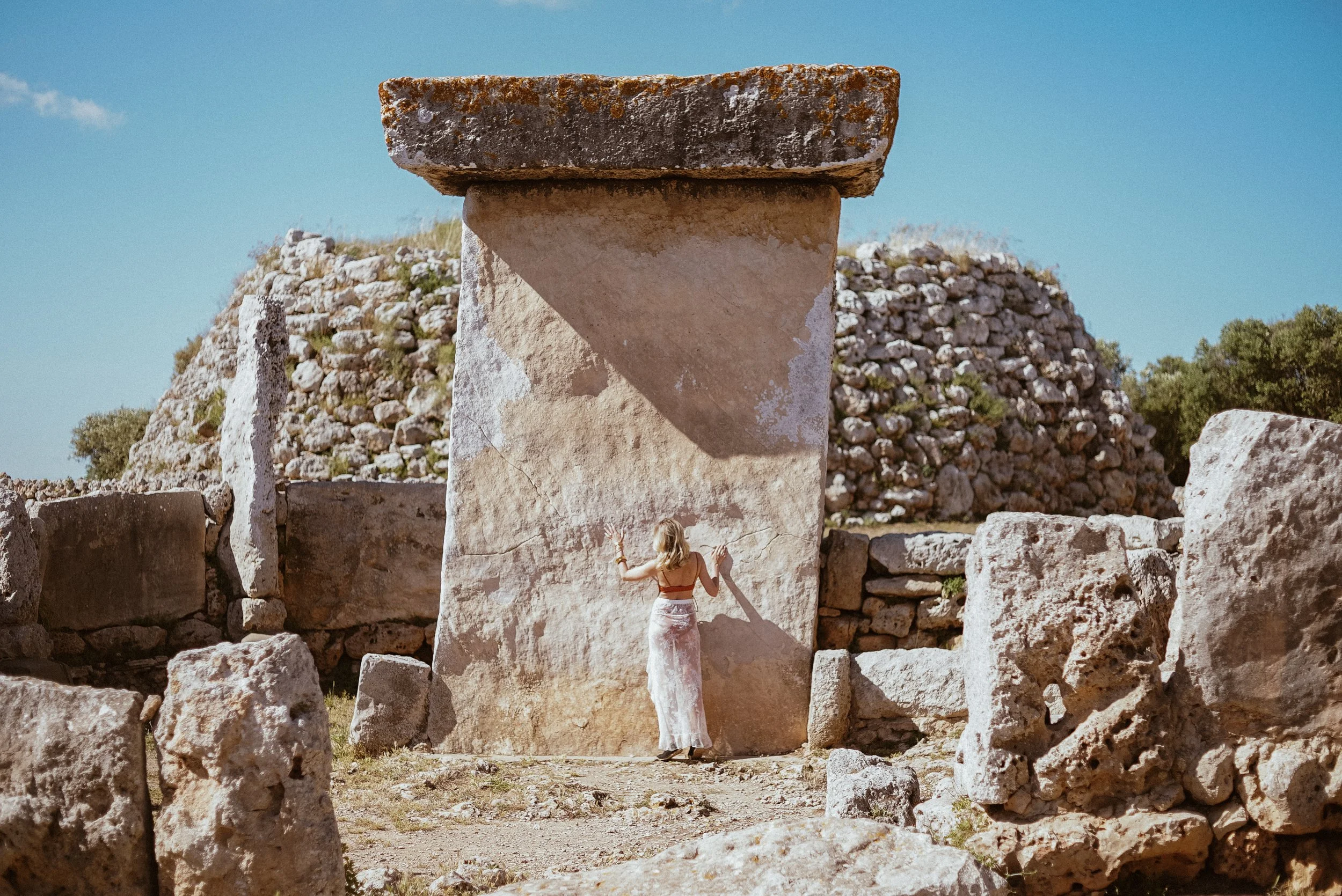
Menorca moves at its own rhythm. Its quiet energy, Mediterranean light, and textured landscapes invite reflection rather than rush. For Santa Gaïa, the island was more than a backdrop for new work - it became a space for ideas to surface naturally, step by step. From serene beaches to bustling local cafés, the trip unfolded as an intimate exploration of rhythm, craft, and cultural memory - a place where art and life exist side by side.
This conversation is part of The Breakfast Club — Santa Gaïa Pilens’ ongoing exploration of her creative world. It’s a kind of living documentary, tracing how her ideas move through time, from past to present, and whatever comes next. Each chapter feels like a small pause: a moment to look, to read, to keep. A cup of inspiration poured slowly, and this time, a glimpse of Menorca through her eyes.
WE CAUGHT UP WITH SANTA GAÏA TO TALK ABOUT THE ISLAND, HER LATEST WORKS, AND THE PHILOSOPHY THAT SHAPES HER CREATIVE PRACTICE.You spent a few days in Menorca in May. Can you share a moment when the island revealed itself to you - its light, its textures, its rhythm?
I am drawn to remote landscapes and early mornings, where there is no human distraction or influence. Where wind actually has a sound and one lives between the silence. It’s very poetic. It is when I usually come up with dreamlike visions. Here, inspiration is less about what’s present and more about what is intentionally left out.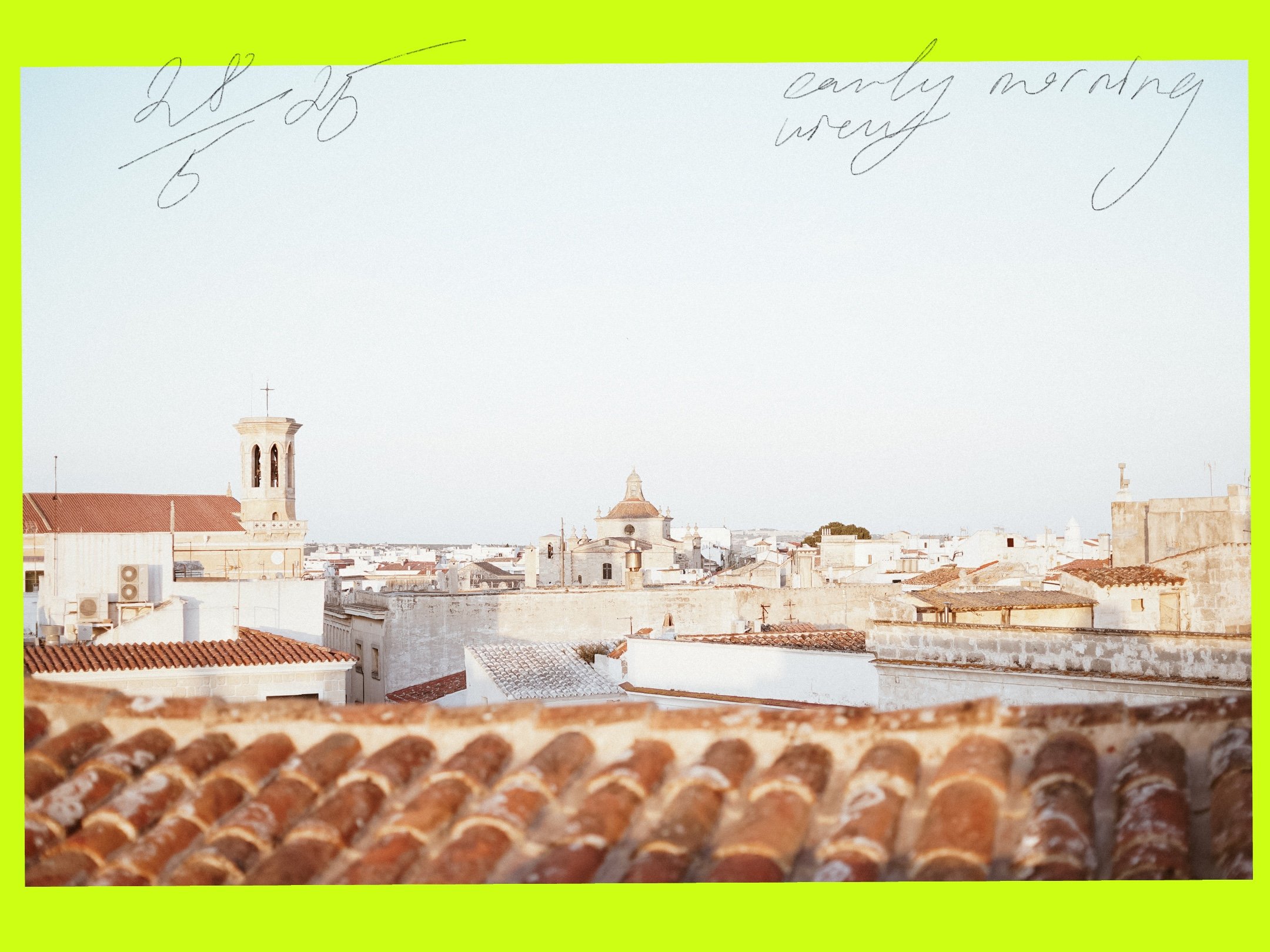
Menorca Heritage draws on horses, talayots, navetas, folk tales, and giants. How did the island’s history and stories guide your hands and your imagination?
My work is grounded in research—an archive of reflections, drawing from the past and folding those echoes into the present. A century-old folk tale becomes my palette, proof that myth and meaning still resonate across eras. The vantage point may have shifted, but the underlying frequency remains contemporary, persistent. Each narrative is an invitation to look beyond the obvious, to peel back layers and go deeper. The method is curation: exploring origins, remixing perspectives, and crafting relevance from history’s raw materials. It’s about activating the old, translating its spirit into a language that speaks to now.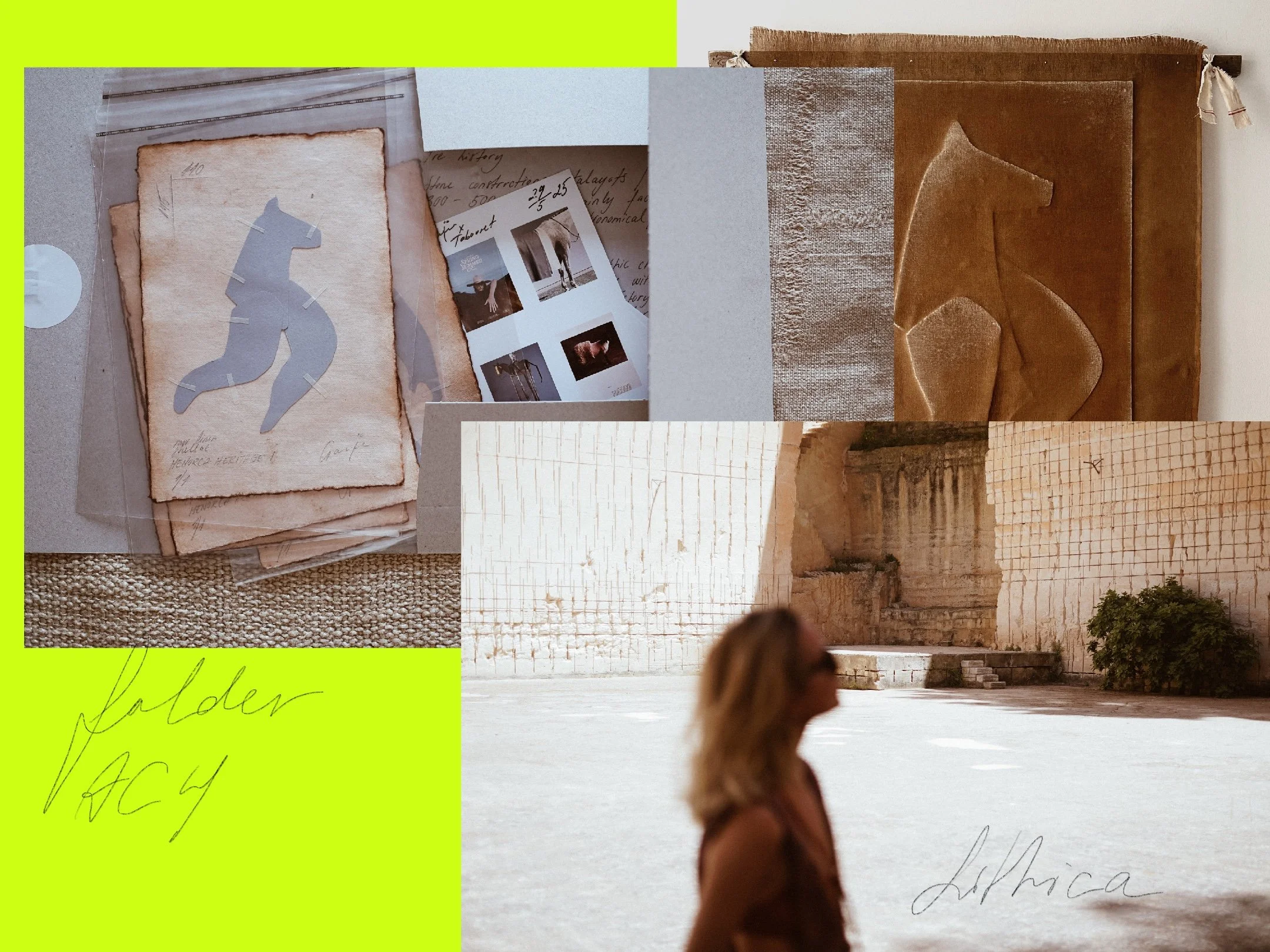
Were there particular landscapes, streets, or something else from the island life that became collaborators in your creative process?
Lithica, a former sandstone quarry is more than a backdrop, it’s a collaborator. Stepping into that vastness, the air itself felt curated, every breath a dialogue between past and future. I found myself sharing with the team not just the vision, but the “why” behind our next project. The raw geometry of the place calls for a response, for surfaces that push back. In my mind, murals inhabit the space and they aren’t static, they animate, react, become sentient forms in dialogue with their context. Murals in motion, sculptures alive—a site becomes a “living canvas.” What once was carved from the earth transforms into a new type of storytelling, remixing history with movement and intention. Here, the expression isn’t just displayed. It’s activated.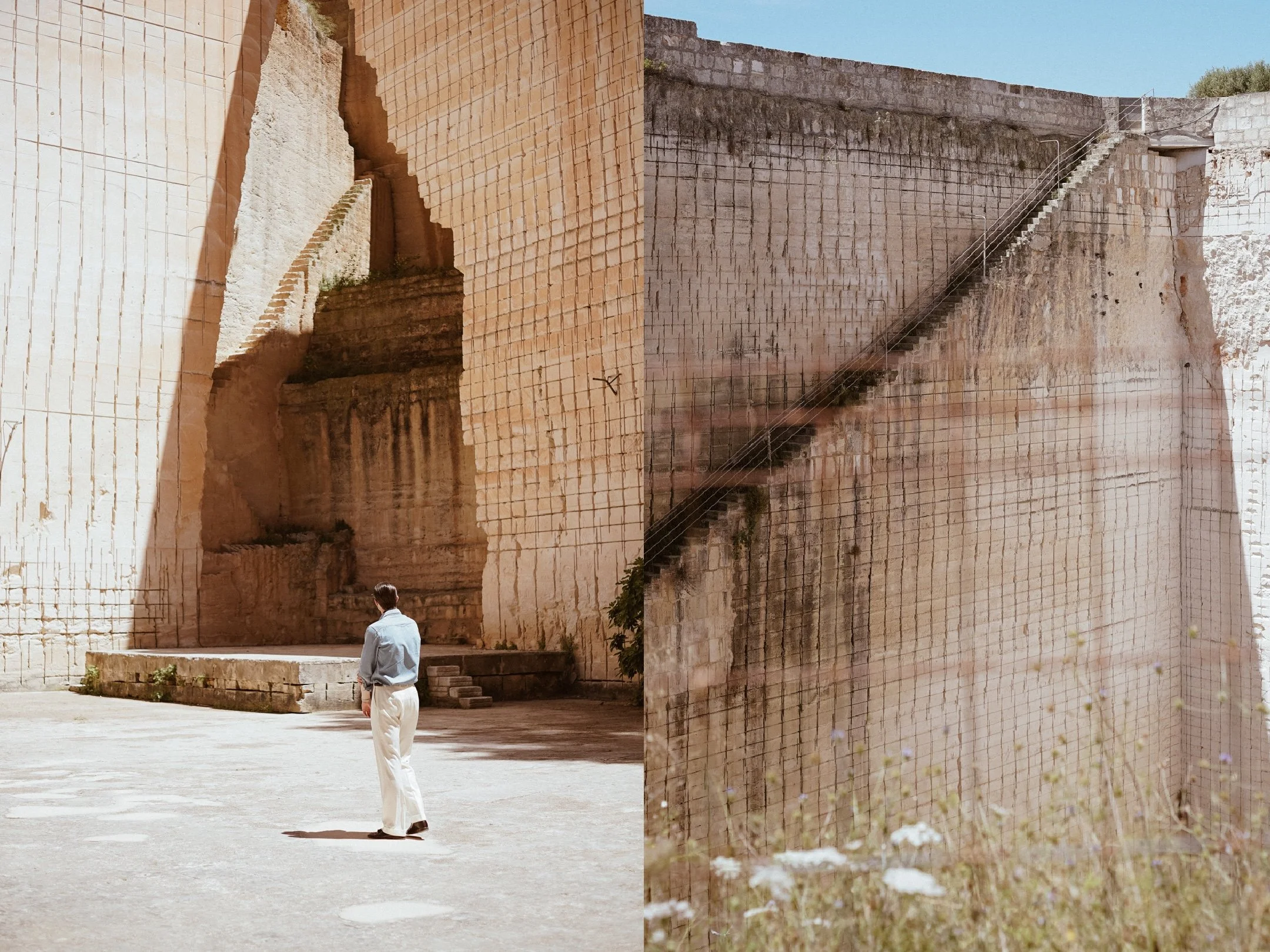
You often speak of poc a poc - taking things slowly. How did this philosophy play out during your trip and in shaping these works?
It’s about going with the flow—riding the wave and knowing when to slow down or reach the peaks. It’s a gut feeling, a natural rhythm that guides me. Long-term plans tend to block the joy of discovery, so I resist them. I am a true adventurer: eyes wide open, attentive to every detail, listening and watching closely. That openness always leads me forward to the next destination. When seen together, the Menorca Heritage works don’t just stand alone - they speak to each other, creating a dialogue across time and space and between each other. How do textures, materials, and tactile details help you translate cultural memory into a visual language?
At my home base, there’s a table of inspiration—three meters long and densely layered with curiosities, found objects, books, printouts. Anything that sparks something inside me finds a place there. Pieces of cloth, fragments of nature, candles. All these elements create a tactile environment that anchors me to each project. It’s not about the objects themselves but the energy they carry, the way they keep the creative current flowing. This table is less a collection and more a charged atmosphere, a site where ideas take root and evolve.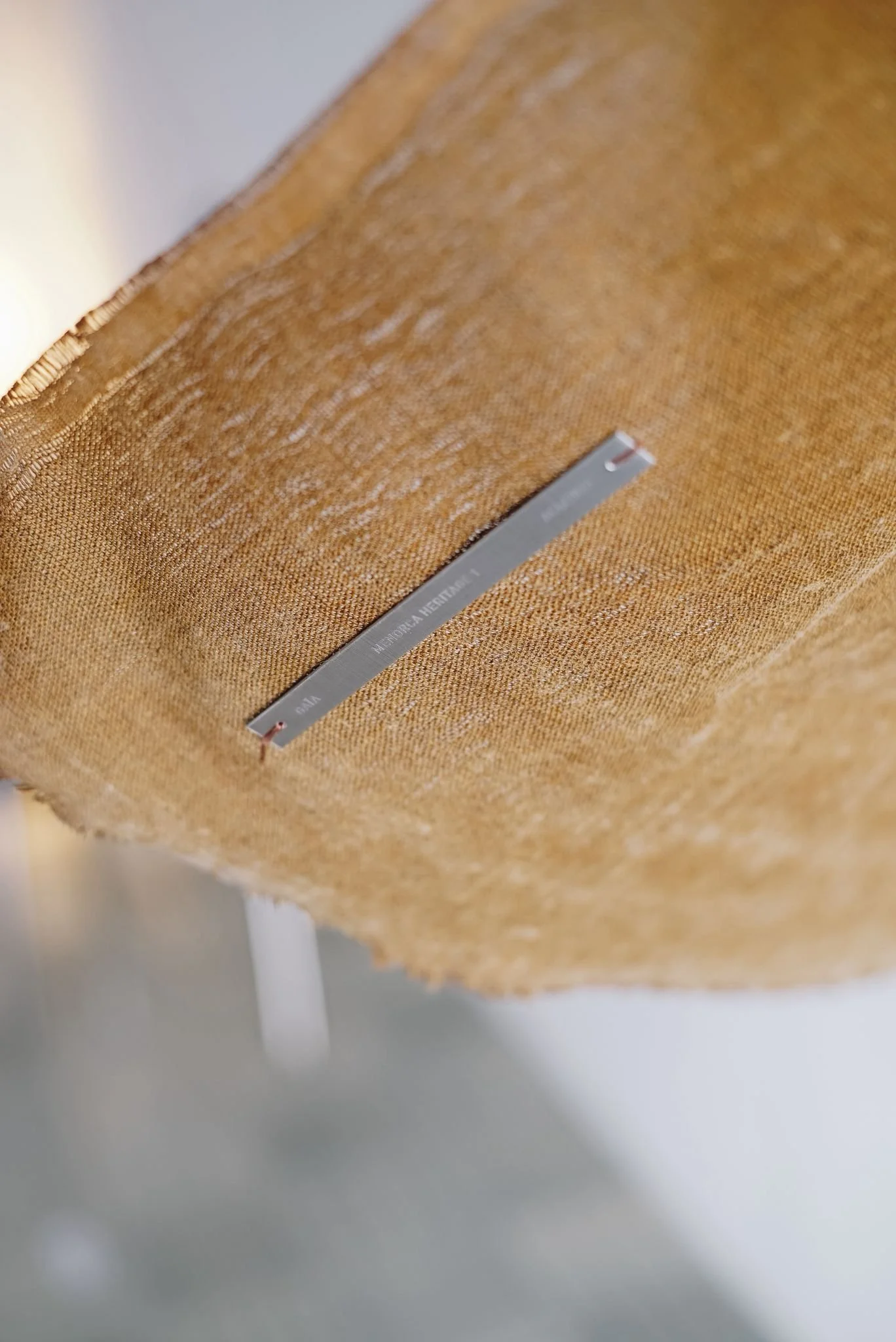
Menorca seems to blur art and everyday life. How did the rhythms of cafés, beaches, or local craft influence you and maybe even your upcoming artworks?
Visiting Hauser & Wirth was a moment out of time, a highlight that suspended the usual rhythms. The way people move through the space is intuitive, effortlessly connected—no wrong turns, only seamless transitions. One path leads naturally to the next, a work of art unfolding into an extraordinary view, a conversation inviting a long lunch, a lunch evolving into dinner. This is an ideal ecosystem for art, where you don’t just see it, you live with it. That’s how I envision my own work: never confrontational, never loud. Instead, it resides quietly in the background—present, influential, shaping experience without demanding attention. If someone could experience Menorca through your eyes, what would you hope they notice beyond the obvious landscapes?
It’s a beautiful vibe all around. What stays with me most is the people—a remarkable community united by an aesthetic vision rooted deeply in art, craft, and nature. There’s a genuine connection that transcends trends, a shared language built on respect for creative process and the natural world. This kind of synergy fuels everything, making the space alive with purpose and meaning.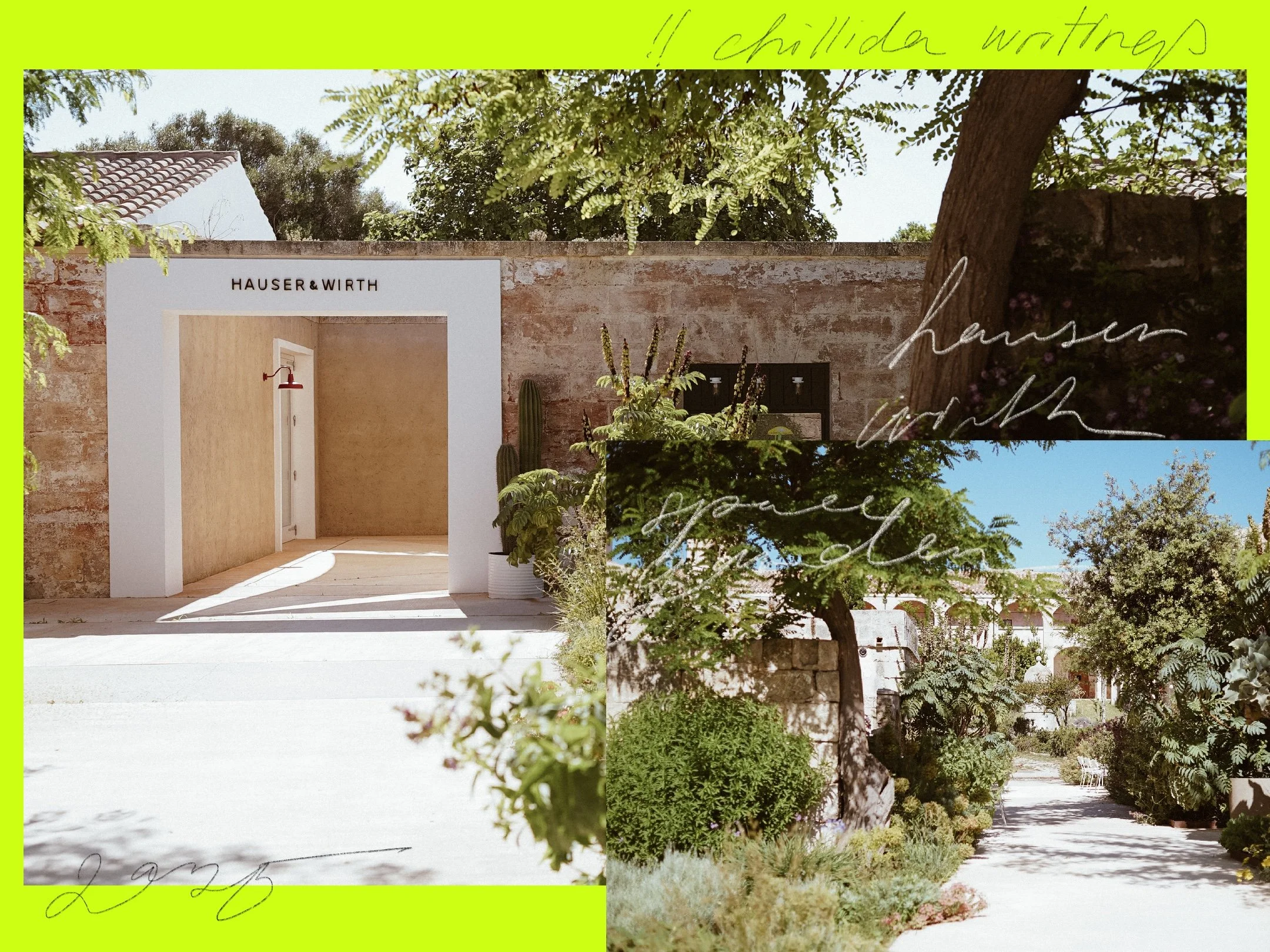
How do trips like this feed into your broader creative vision - your past, present, and future work?
Travel is essential to my artistic practice. It is more than a movement, it’s research in motion. Every journey carries a documentary purpose: I gather images, moments captured to revisit and reimagine later. What seems insignificant in the moment often surfaces as a key element in future work. Like these giants—silent, enduring—they continue their walk into my next series, transformed through a dreamlike lens. Travel keeps the dialogue open between experience and creation, fueling the evolution of ideas. If someone visits Menorca, what would you want them to notice beyond the obvious tourist highlights?
I’d suggest the art galleries and stunning traditional spaces transformed into hotels. They resonate deeply with their surroundings, blending organically among the earthy tones and textures. This seamless integration creates a dialogue between architecture, art, and landscape—a quiet yet powerful presence that honors place and history. Menorca Experimental, a boutique hotel and spa nestled within a beautifully reimagined 19th-century finca, perfectly embodies this spirit. Whether staying overnight or simply stopping for a drink, guests are immersed in a setting where design and nature coexist in serene balance.If you could take one Menorca insight back to your studio, what would it be?
At the very front stands Chillida’s sculpture, set in an open space that opens onto the sea. It’s not just an object but a presence. Living with art, where nature and form converse silently yet powerfully.What’s the one unexpected detail about Menorca that left a mark on you, artistically or personally?
The island, no matter its size, shifts its ambience as you move through it—like a chameleon adapting its colors. Each turn reveals a new face, a different mood, an ever-evolving dialogue between place and perception.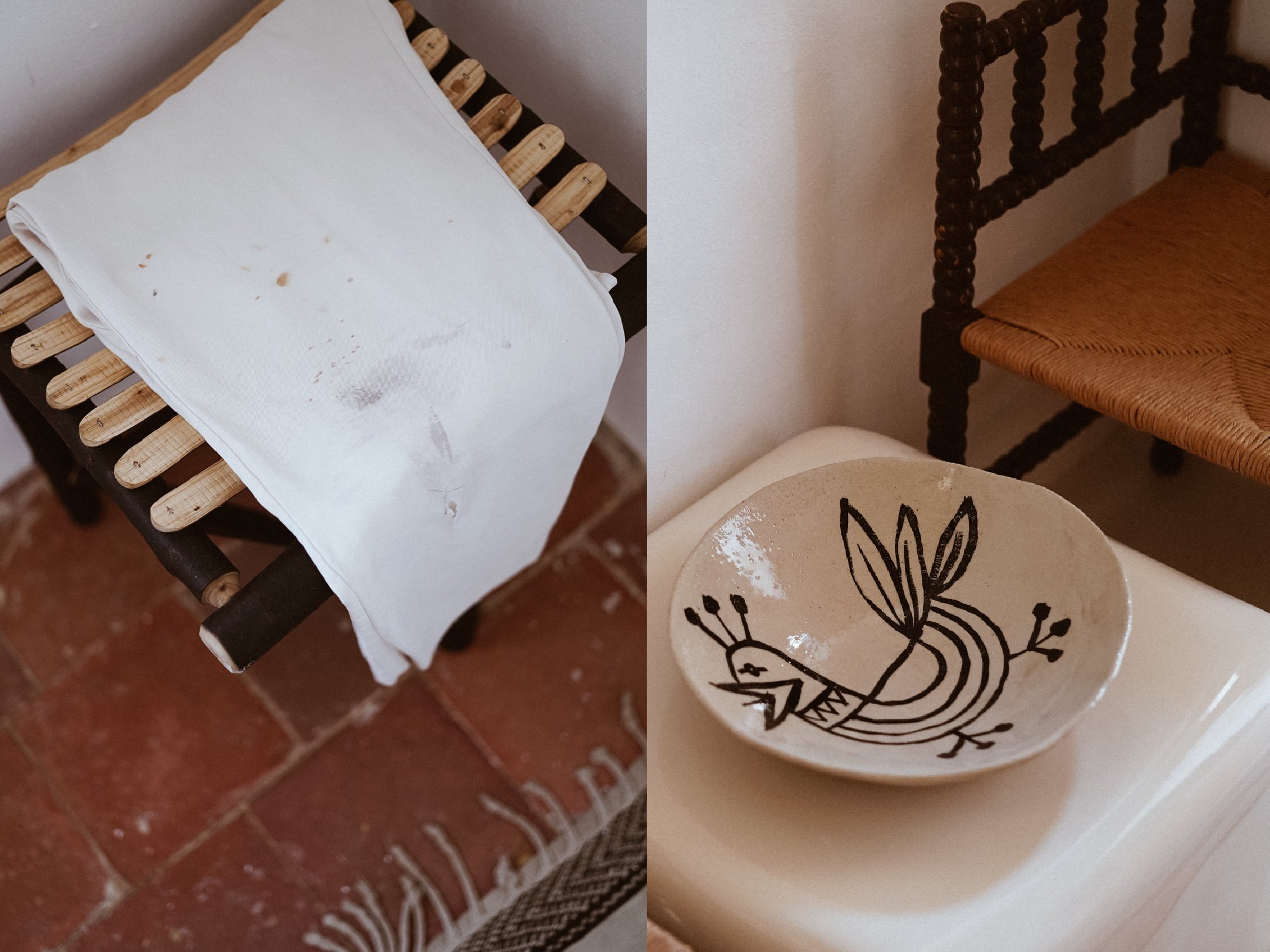
Suggested by Atelier of GAÏA
Where to go
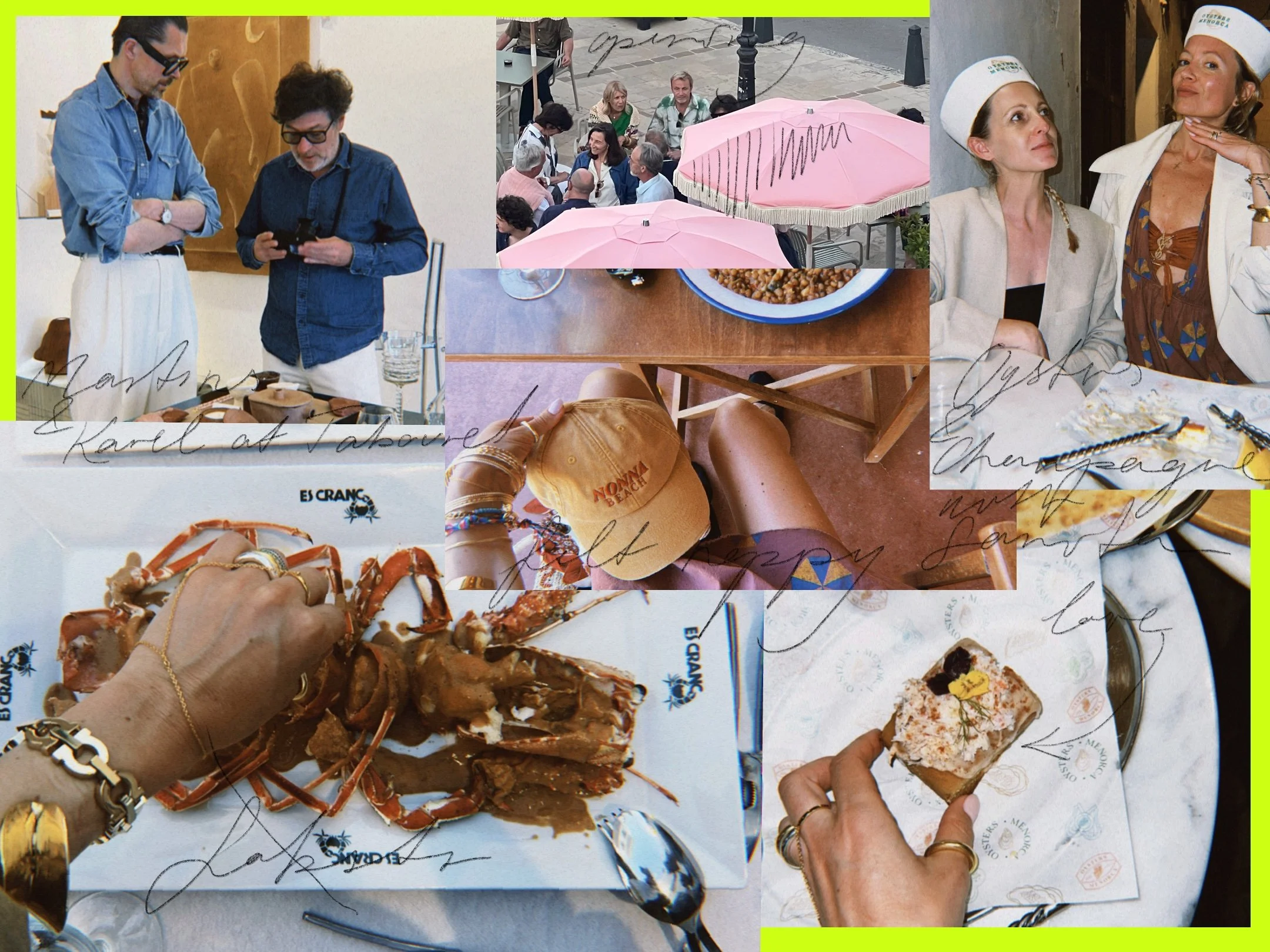
TABOURET GALLERY: SPECIALIZING IN CONTEMPORARY AND COLLECTIBLE DESIGN AND ART - FROM BESPOKE PIECES TO VERY LIMITED EDITIONS.HOUSER & WIRTH: HAUSER & WIRTH MENORCA IS AN ART CENTRE IN THE NATURAL ENVIRONMENT OF ILLA DEL REI (ISLA DEL REY).LITHICA: A PLACE CARVED IN THE ROCK, CONCEALED IN THE HEART OF MENORCA’S LANDSCAPE.BEACH: PLATJA DE SON SAURA. DON’T EXPECT FANCY BEACH CLUBS IN MENORCA. YET, FRESH PINEAPPLES AND COLD COKES ARE SERVED FROM THE CART.Where to eat / drink
OYSTERS MENORCA: OYSTERS, CAVIAR BENOÎT SMOKED EEL, SMOKED SALMON AND KING CRAB. ALL THIS PAIRED WITH AN EXCLUSIVE SELECTION OF WINES AND CHAMPAGNES.MARGARITA COFFEE AND BRUNCH: MARGARITA IS THE HOME OF COFFEE ADDICTS IN MAHÓN. GREAT PLACE FOR SLOW BREAKFAST.MENORCA EXPERIMENTAL: LOCAL WINES AND BOTTLES FROM SMALL SPANISH PRODUCERS, ALONGSIDE EXPERIMENTAL COCKTAILS, MADE EXCLUSIVELY WITH LOCAL INGREDIENTS. SETTLE IN FOR A DRINK OR TWO BY THE INFINITY POOL OR AT THE COCKTAIL BAR ON THE FINCA'S TERRACE.CANTINA: WENT THERE TWICE DURING THE SHORT TRAVEL. THAT ABOUTSUMMS IT ALL UP, RIGHT?PIGALLE: BLAME YOURSELF IF YOU TAKE JUST THE EXCELLENT CROISSANT OR BAGUETTE. IT HAS MORE TO OFFER.ES CRANC: DID ANYBODY SAY ‘’LOBSTER’’?Where to stay
MENORCA EXPERIMENTAL: A CHARMING BOUTIQUE HOTEL & SPA, NESTLED WITHIN A BEAUTIFULLY REIMAGINED 19TH-CENTURY FINCA, SET ON 30 HECTARES OF PICTURESQUE LAND.CRISTINE BEDFOR MAHÓN: LOCATED IN A CHARMING BUILDING IN THE HISTORIC CENTER OF MAHÓN, A CITY FULL OF OPPORTUNITIES.