
Without a map: Notes from India
Art, like travel, is best approached without a map. You arrive a little lost, a little open, and if you’re lucky, the world changes you before you even realise it’s happening.
India met me in layers. History resting beside the present. Noise and stillness existing at the same time. Every place carries a trace of someone’s story, and when those layers overlap, something whole begins to form. Something honest.
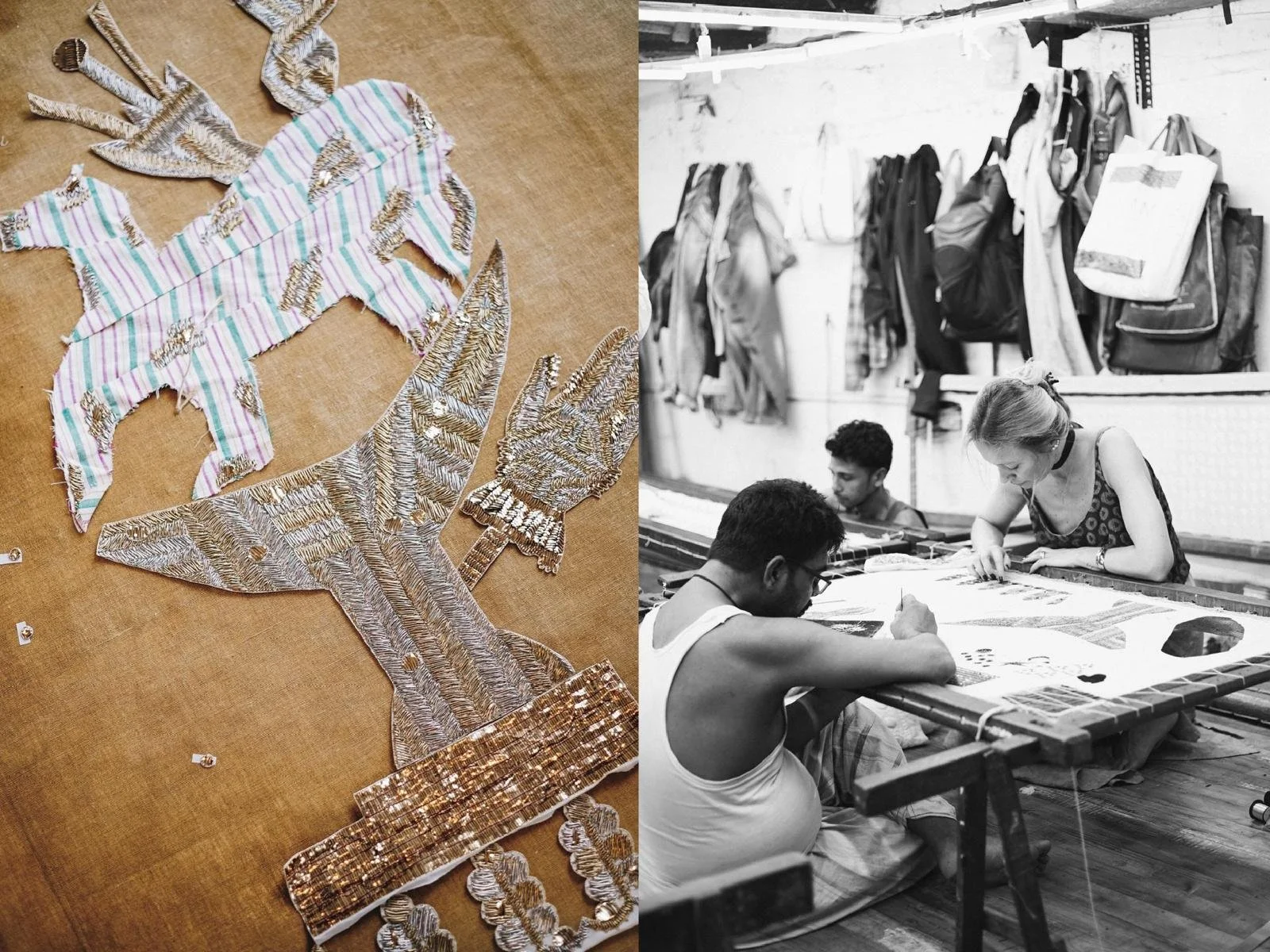
Within this journal entry, you can read notes from my time in India. Reflections written during my residency as part of the collaboration with Æquō Gallery. They are fragments of that experience, moments gathered along the way, shaped by the city, the workshops, and the people.
Beauty doesn’t need to be invented. It’s out there, hiding in plain sight, waiting for that quiet second when you finally notice it.
Collaboration is the true heart of creation. It’s those meaningful exchanges, those unexpected moments when ideas cross paths and become something larger than any of us alone.
Being an artist really just means paying attention. Seeing what others miss. Sometimes that’s a color, a rhythm, or just the silence between two people.
India taught me that nothing stays still. Everything shifts—light, rhythm, sound, even your sense of self. And that’s the beauty of it.
Mastery isn’t about striving harder; it’s about showing up again and again until the act becomes as natural as breathing.
The world, for all its chaos, has a rhythm underneath it. You catch it only when you slow down, listen, and allow stillness to guide you.
I no longer think of art as leaving a mark, but as creating a moment of connection—fleeting, genuine, and shared.
Art should stay with you the way light stays after sunset—lingering, impossible to define, but quietly unforgettable.
Where to go, what to see, what to experience
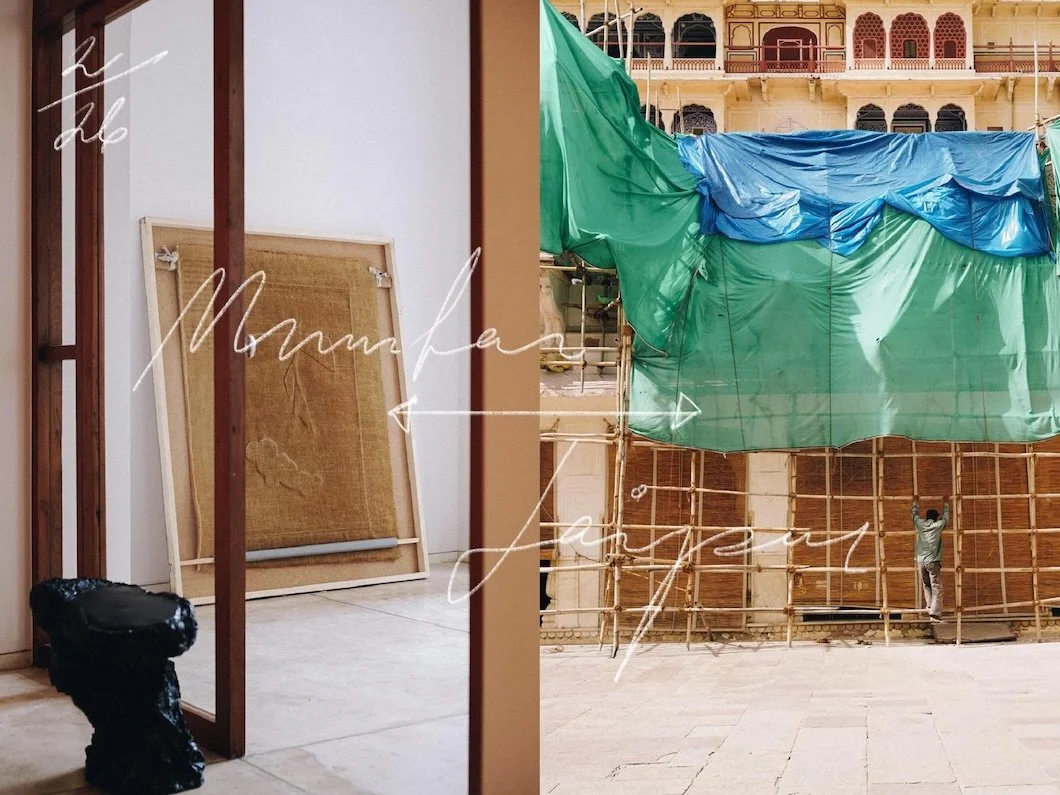
Mumbai – the heart of my journey
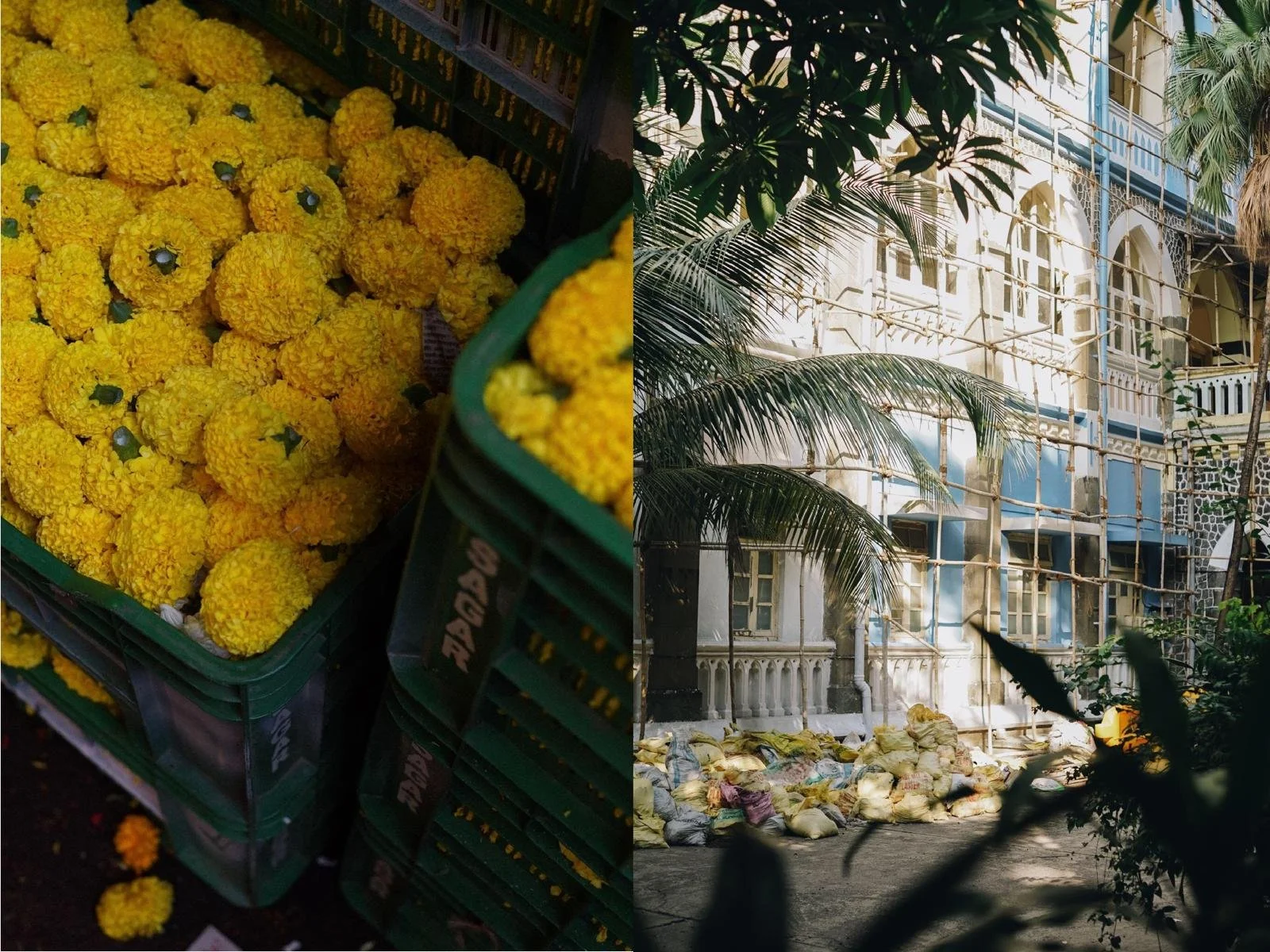
Colaba – I suggest beginning your discovery here. This southernmost district of Mumbai, once favored by merchants and British officers, still carries traces of colonial grandeur. Each house has its own name and history, and the afternoon light reveals new stories on every weathered façade. Walk slowly — between the palms and rain trees — and let the architecture whisper its past.
Dadar Flower Market – Visit at dawn. This is Mumbai at its most alive: garlands of marigolds, bursts of jasmine, colors that defy language. It’s one of the city’s oldest wholesale flower markets, tucked near Dadar station. Amid the chaos and fragrance lies a rare moment of purity — beauty at its peak.
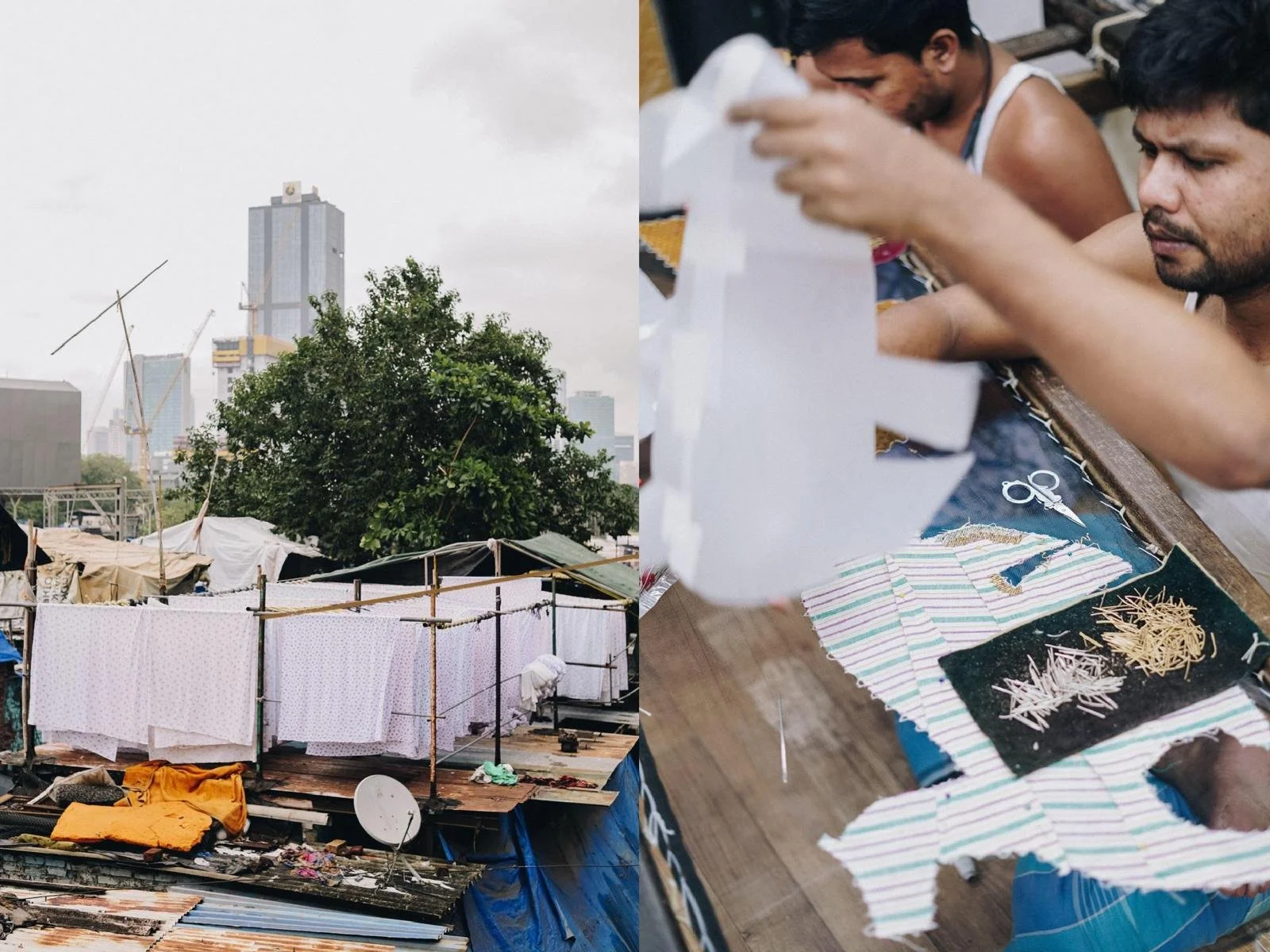
Dhobi Ghat – Stop by this open-air laundry at Mahalaxmi. Established over a century ago, it still functions much as it did then: hundreds of washers rhythmically working under the open sky. There’s a strange order to its repetition; standing there, I felt the quiet power of collective effort and grace in the ordinary.
Gallery Æquo (@_aequo) – If your interests lie at the meeting point of art, design, and craft, visit this gallery. It champions artisanship as a living language and invites collaboration between contemporary artists and traditional makers. My time here became a dialogue — an exchange of heritage and innovation.
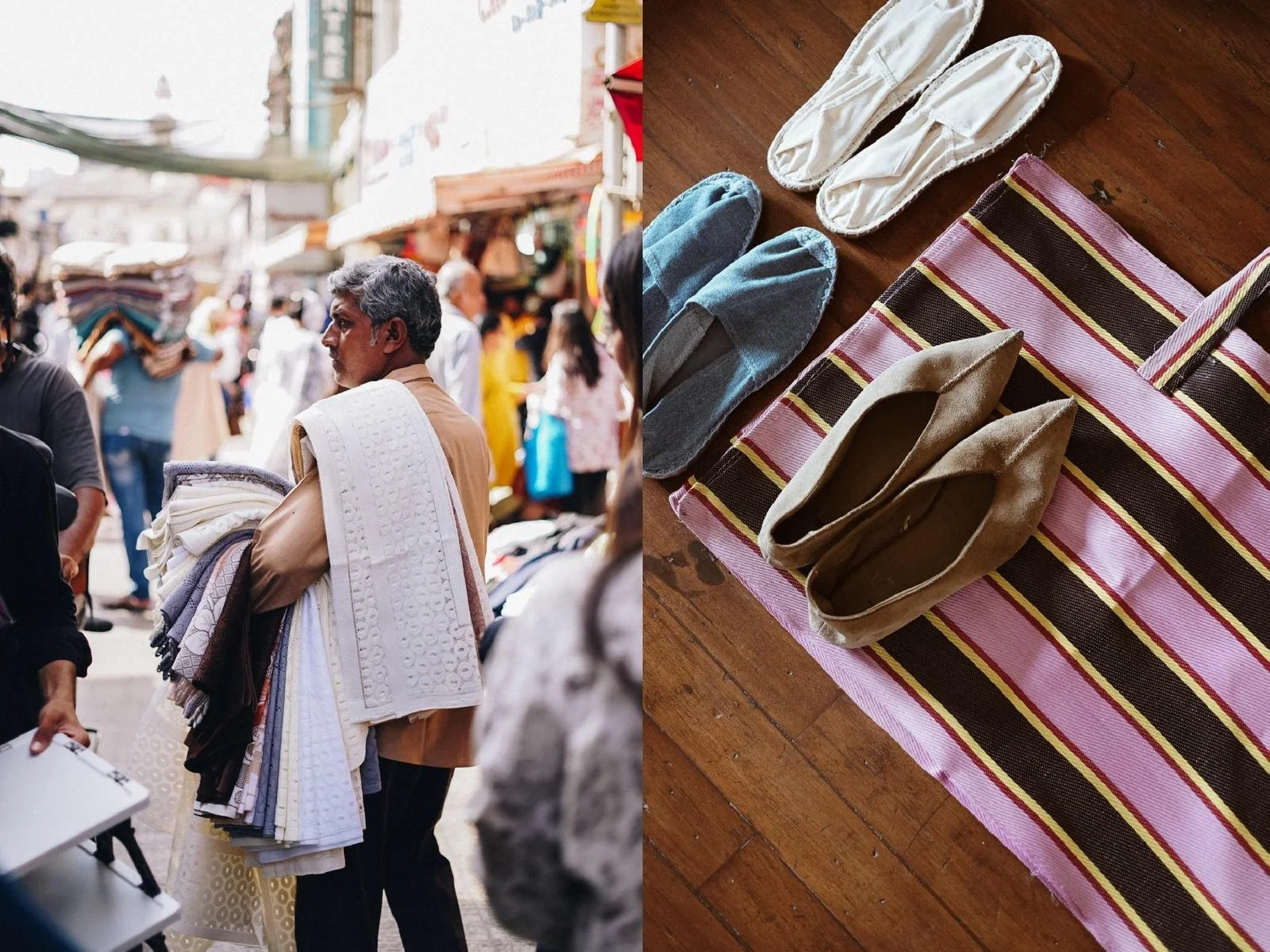
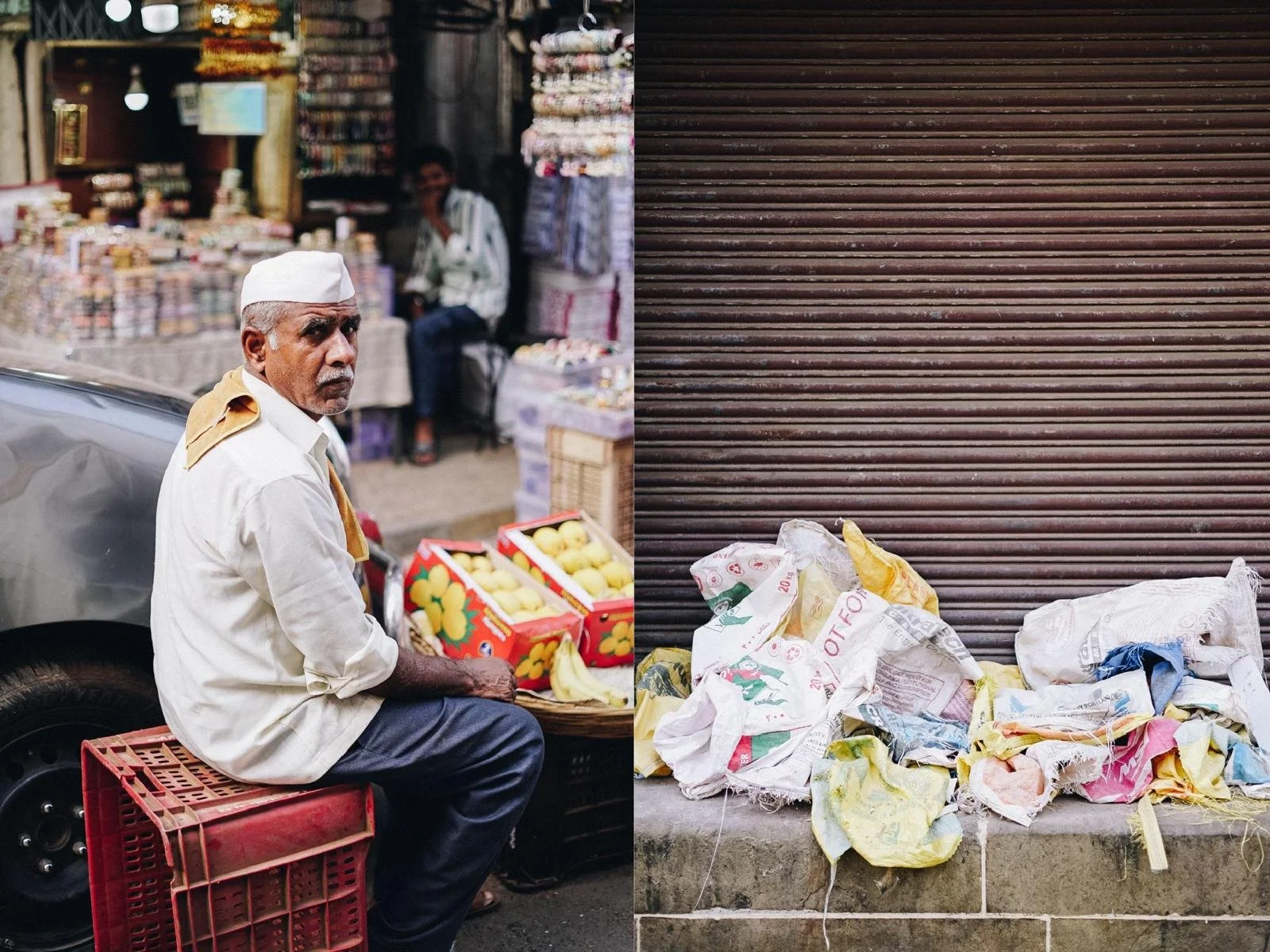
Mumbai markets – Wander without purpose. Whether in Crawford Market or a neighborhood bazaar, there’s inspiration in the textures of fabrics, everyday objects, and human gestures. Many of my creative sparks were born there — from things others might easily overlook.
Jaipur – my poetic reflection of India
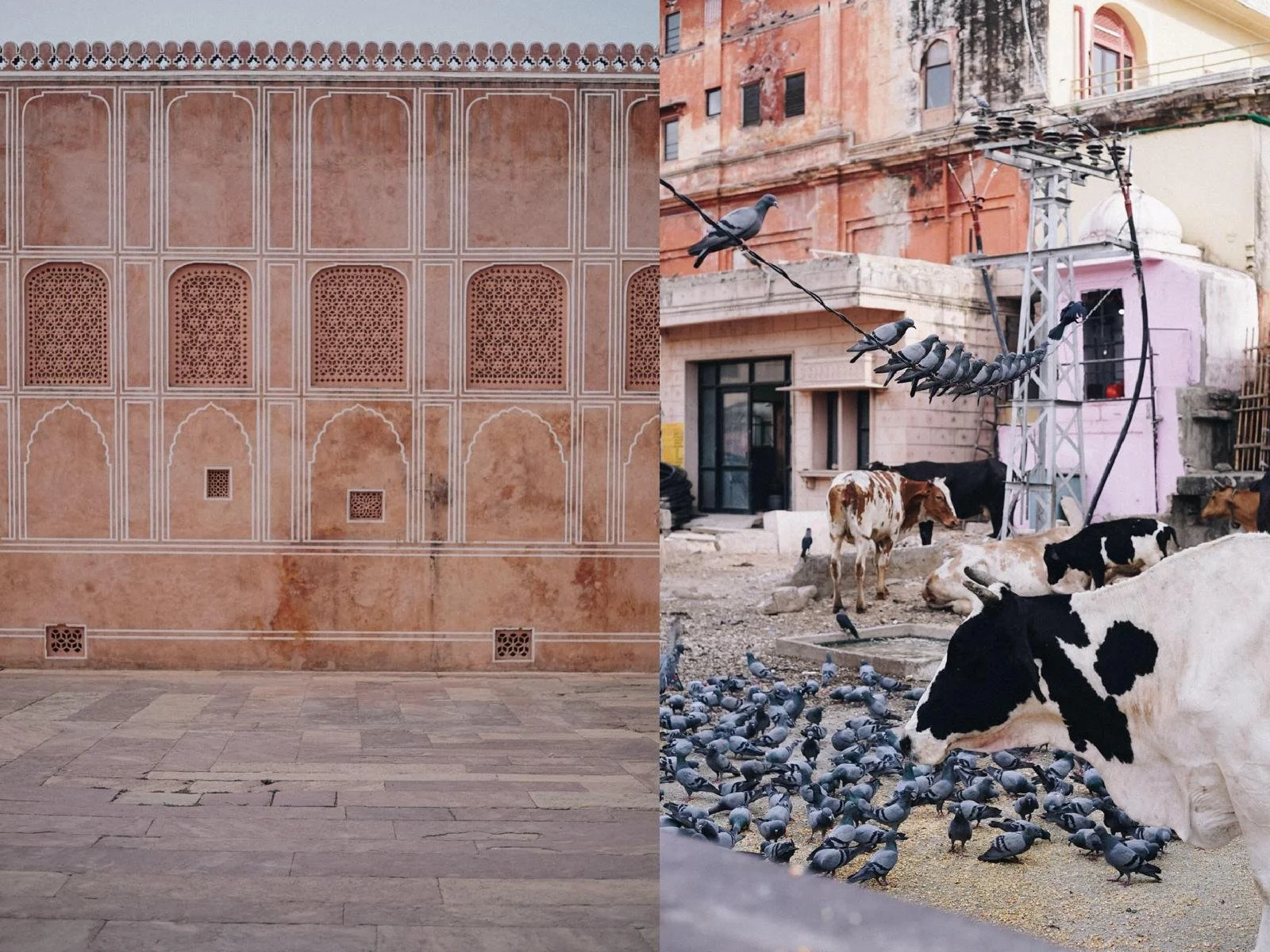
The Pink City – Jaipur doesn’t ask to be described; it simply unfolds. Built in 1727 by Maharaja Sawai Jai Singh II, its old city was painted terracotta pink in the late 19th century to welcome the Prince of Wales — and the color stayed. The hues soften and shimmer with the changing light, until you can no longer tell where the city ends and the sky begins.
Panna Meena ka Kund – One of India’s most beautiful stepwells, dating back to the 16th century. Come early, when it’s still quiet. The symmetry of the stone steps and the reflection of golden light on water evoke a sense of timeless balance — a meditation in architecture.
Cross-cutting philosophical or cultural points of interest
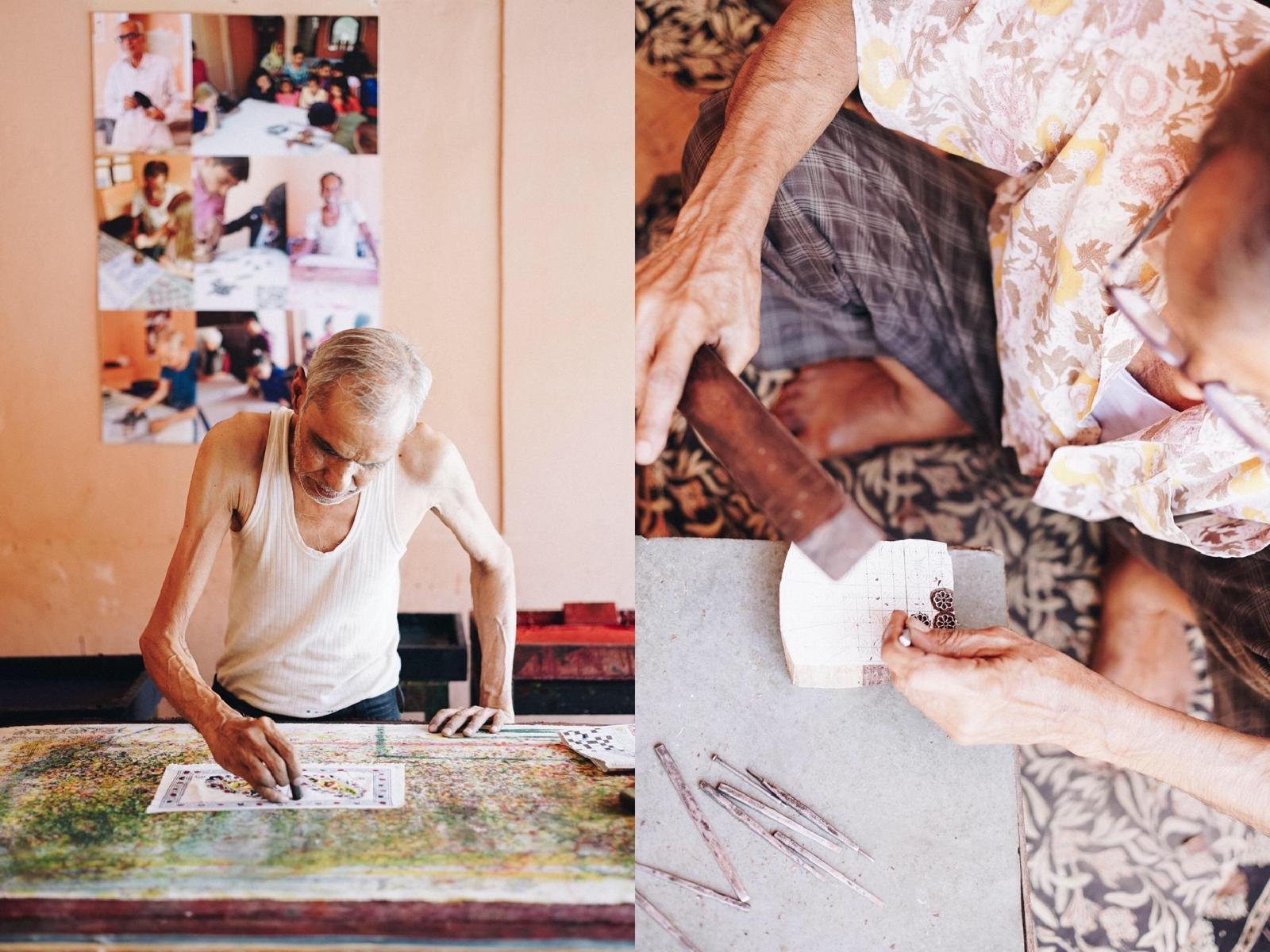
Local artisan workshops – I would suggest you working directly with craftsmen and encouraging visitors to experience traditional techniques firsthand and not only the finished pieces, but the process behind them.
Bookshops & Krishnamurti readings – If you are drawn to India’s philosophical depth, I would recommend exploring its intellectual heritage through independent bookshops and Krishnamurti readings (spaces where ideas are still exchanged slowly and thoughtfully).
Traditional Indian homes & meals – And beyond galleries or streets, true understanding often unfolds at a shared table. A lunch at local’s home, where you speak about fate and connection, reveals how cultural intimacy is found in conversation, in hospitality, in everyday moments.
To my dear Breakfast Club friends
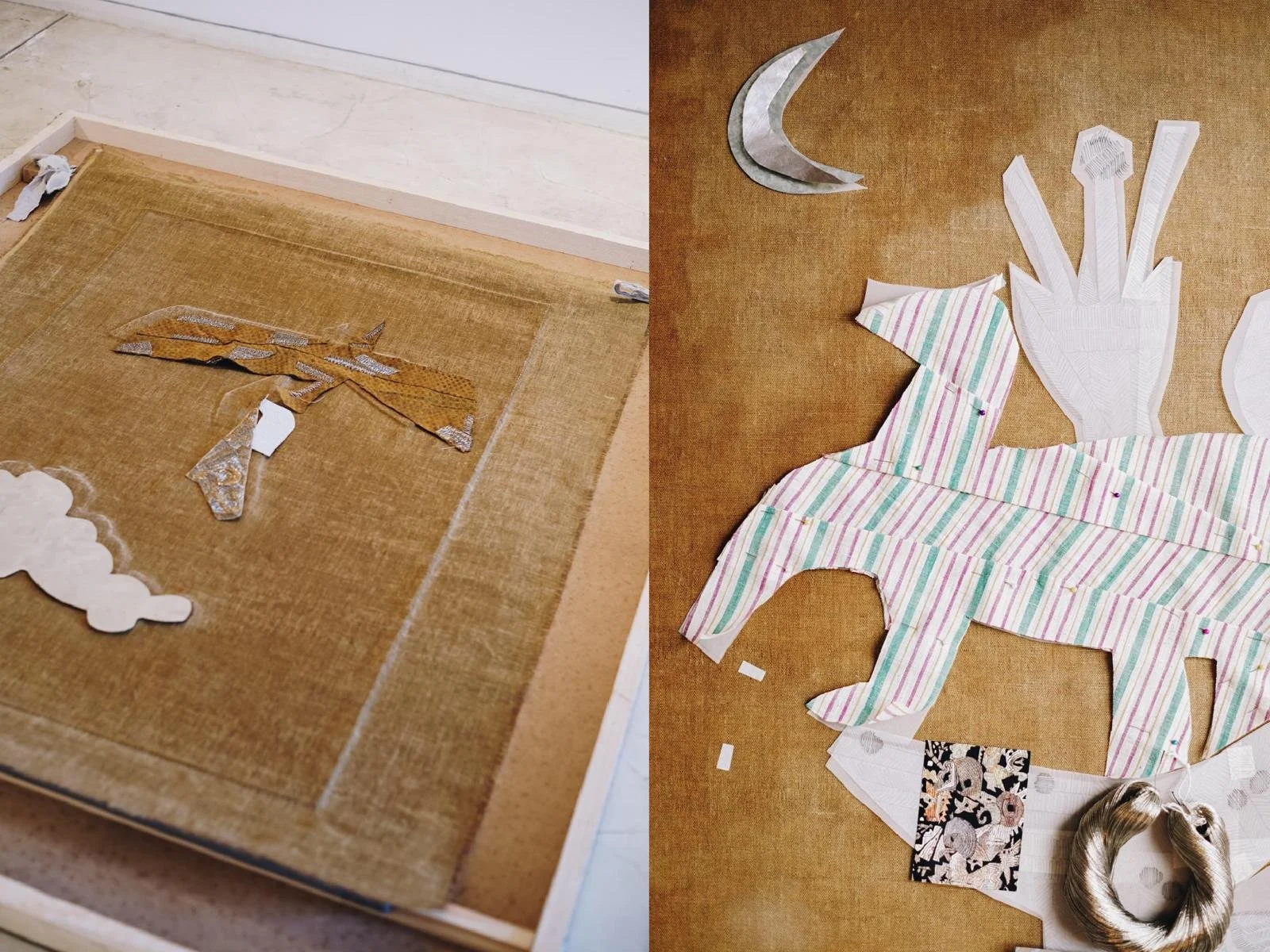
My debut collaboration with Æquō Gallery brought me to Mumbai, where I spent time working closely with master artisans in traditional embroidery workshops. The experience shaped two monumental textile works and opened a dialogue that continues this year.
The latest Breakfast Club issue is devoted to this journey
Breakfast Club members will receive the edition in an envelope printed in Jaipur Pink — a colour associated with the city since 1877. Inside, a postcard in turmeric yellow — a rich, warm ochre-gold shade seen across taxis, buildings, flowers and festivals. Accompanied with a text.
I hope you will enjoy this edition of Breakfast Club as much as I enjoyed sharing my time in India with you — perhaps without a map, but guided by colour, rhythm and inspiration.